


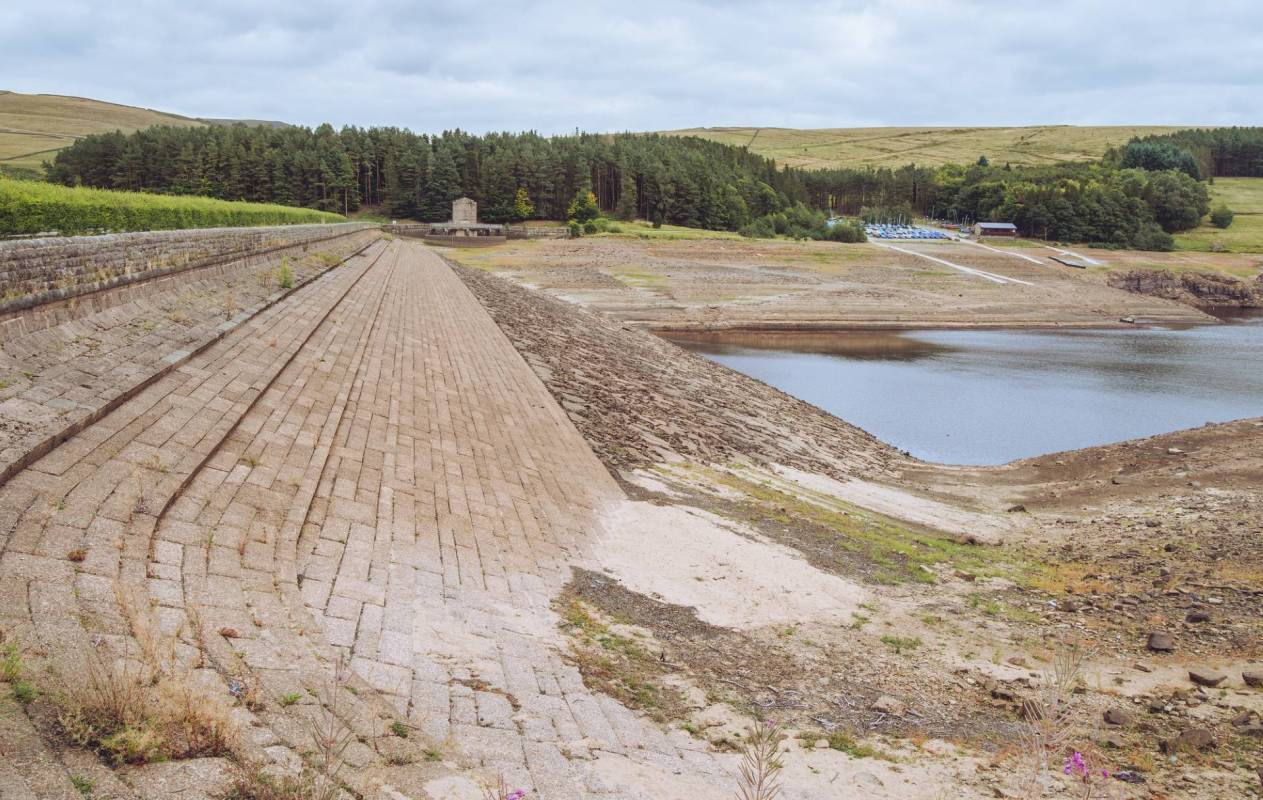
England's drought is proving far more stubborn than a few rainy spells might suggest.
Rain in parts of the country has not been enough to change the broader outlook, and research indicates that full recovery across England would still require months of wetter-than-normal weather.
Here's what to know
According to an Instagram post from BBC Weather (@bbcweather), getting all of England out of drought would take a sustained period of unusually wet conditions, not just a few rainy weeks. The research it cited says around 120% of normal rainfall would be needed for every area to recover by spring 2027.
Drought conditions remain widespread, with nearly three-quarters of England still affected even after some wet weather. The bigger question is whether enough water is steadily replenishing rivers, reservoirs, soils, and groundwater over time, rather than whether rain has fallen on any given day or week.
BBC Weather wrote that "Above-average rainfall is needed across England for the next seven months for all areas to recover by spring 2027, according to new research."
After months of heat and dryness, the landscape can need a long recharge period before conditions truly stabilize.
TCD Picks » Quince Spotlight
💡These best-sellers from Quince deliver affordable, sustainable luxury for all




More background
Drought is often misunderstood as a total absence of rain, but it usually results from a prolonged water deficit that builds over time. A few storms or wet stretches may bring temporary relief without fully restoring depleted water systems.
Lower river levels can strain ecosystems, hotter and drier ground can increase wildfire risk, and reduced water availability can put pressure on farming and food production. Reservoir and groundwater shortages can also raise concerns about future supply if dry conditions persist.
For households, the effects can eventually show up through water-use guidance or restrictions, growing concern about local water security, and broader pressure on public infrastructure during hotter seasons.
Warmer conditions can make dry periods more intense, meaning recovery may require not just rainfall, but unusually high totals sustained over many months.
"Stop the data centres. Stop watering golf courses. Stop filling millionaires' swimming pools. How about that?" one commenter wrote.
What can be done?
This kind of forecasting gives officials and water managers a clearer benchmark for planning. If England truly needs 120% of normal rainfall to recover, that signals a need for careful reservoir management, stronger drought preparedness, and continued monitoring of river and groundwater conditions.
Communities can reduce risk by improving water infrastructure, cutting leakage, supporting more efficient agricultural water use, and designing landscapes that retain moisture better during dry spells.
For individuals, the most practical response is to use water wisely without assuming personal habits alone can reverse a national drought. Fixing household leaks, taking shorter showers, using water-efficient appliances, and choosing more drought-tolerant plants can all help reduce unnecessary demand.
BBC Weather said, "The Environment Agency (EA) stated that despite some wet weather, almost three-quarters of England remains in drought following an exceptionally hot and dry spring and summer."
Where can I learn more?
Read more about possible water restrictions in Yorkshire, the rise of global megadroughts, worsening water scarcity, drought rationing in Ecuador and Colombia, and a looming shortage along the Potomac River.
• Scientists warn megadroughts can last for decades, bringing more serious ecological and social damage worldwide.
• By 2100, over 60% of people could face water scarcity worldwide.
• Along the Potomac, a troubling development will change water supplies as the drought worsens.

Get TCD's free newsletters for easy tips, smart advice, and a chance to earn $5,000 toward home upgrades. To see more stories like this one, change your Google preferences here.






