


Cornell scientists have modified a bacterium to accelerate the breakdown of ultramafic rock, speeding up a natural reaction that can support carbon dioxide capture.
That same process also releases cobalt and nickel, suggesting that one approach could aid both climate efforts and the supply of key industrial metals.
Here's what to know
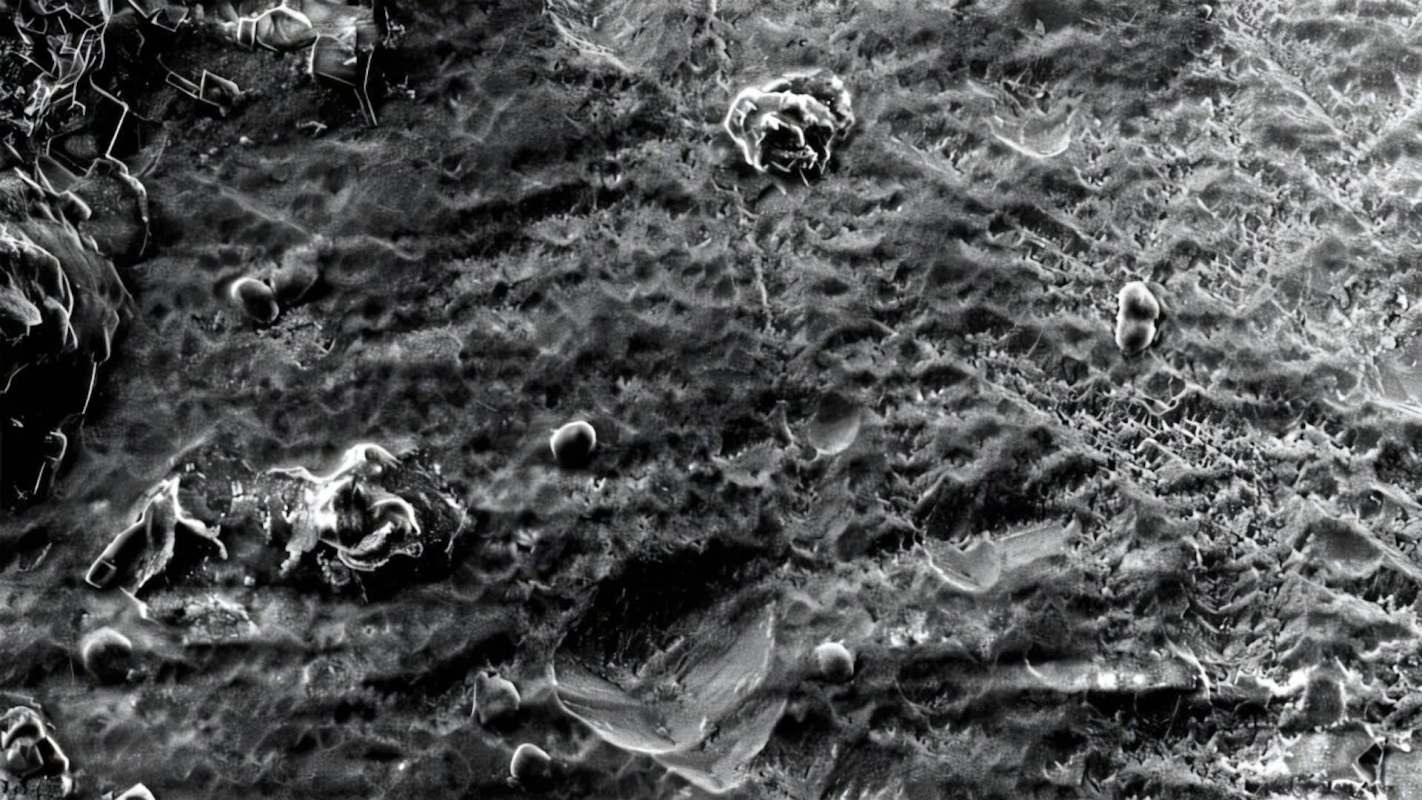
As reported by Phys.org, new research published in Scientific Reports describes how a redesigned version of Gluconobacter oxydans increased the weathering rate of ultramafic minerals, which are rich in magnesium and iron. As the minerals broke down, cobalt and nickel were released, while soluble magnesium was converted to magnesium oxalate.
Weathering is already one of Earth's natural processes for removing carbon dioxide from the atmosphere, but it usually occurs far too slowly to have a meaningful effect on climate timescales.
By using a microbe to speed that chemistry, researchers are exploring whether a long-running planetary process can be turned into a more practical climate tool, Phys.org reported.
The metals released during the process matter too. Cobalt and nickel are still widely used in electric vehicle batteries, so recovering them as byproducts could make carbon removal more economically viable while reducing reliance on conventional mining.
TCD Picks » Quince Spotlight
💡These best-sellers from Quince deliver affordable, sustainable luxury for all




More background
Instead of addressing carbon dioxide buildup and battery-material supply as separate problems, this research suggests they could potentially be approached through the same mineral process.
If one technology can deliver benefits on both fronts, it could be easier to justify financially than a carbon-removal strategy that produces no additional resource.
Because ultramafic rocks contain large amounts of magnesium and iron, they have drawn attention for this kind of work. In the Cornell experiments, the engineered microbe not only accelerated the dissolution of the mineral material but also contributed to the formation of magnesium oxalate from dissolved magnesium, highlighting a possible pathway for CO2 capture.
Improved carbon removal methods could complement emissions cuts as communities and industries work to limit climate risks.
What's being done?
Most of the work is still happening in the lab.
Cornell's findings show that engineered microbes can alter mineral weathering in ways that may be useful for both carbon management and critical-mineral recovery, but this early-stage research still has several hurdles to clear before it can be used at scale.
Scientists will need to test how reliably the process works outside controlled settings, how much carbon it can ultimately help capture, and how efficiently the recovered metals can be separated for real battery supply chains.

Get TCD's free newsletters for easy tips, smart advice, and a chance to earn $5,000 toward home upgrades. To see more stories like this one, change your Google preferences here.






