


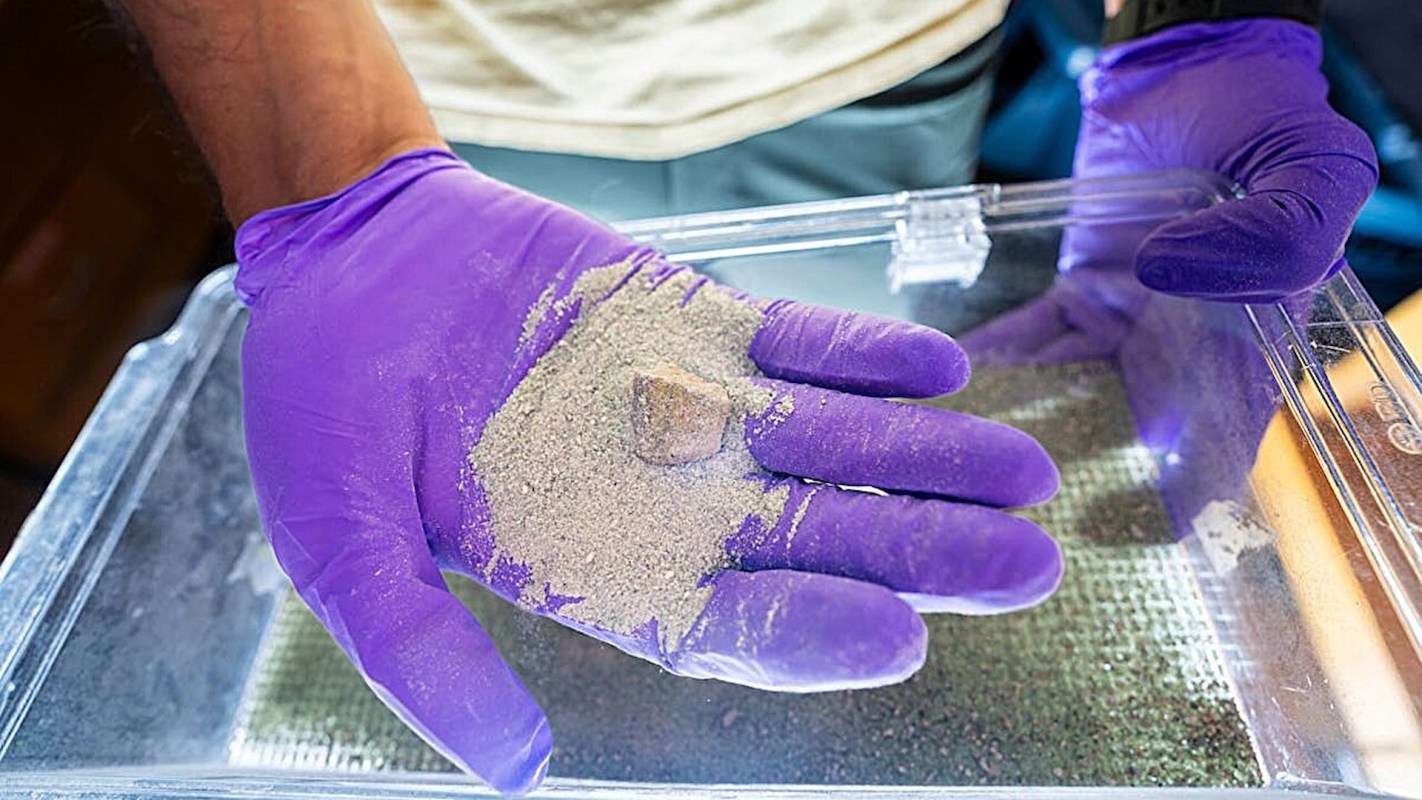
A slow but powerful natural climate process may be getting a high-tech boost as researchers explore whether engineered bacteria can accelerate the breakdown of rocks, potentially speeding a natural pathway that removes carbon dioxide from the atmosphere.
Here's what to know
On Aug. 28, 2026, Phys.org reported on research into the use of engineered bacteria to accelerate rock weathering for carbon removal.
As rocks and minerals interact with their surroundings, they gradually dissolve and wear away. Water, air, and living organisms all contribute to that breakdown, and the dissolved material eventually reaches the ocean, where it helps pull carbon dioxide from the air.
Over geologic time, that cycle has helped keep Earth habitable. In warmer periods with higher atmospheric carbon dioxide, weathering has generally intensified, helping to cool the planet again.
The problem is pace. This natural cycle operates over extremely long timescales, so it is far too slow on its own to offset the rapid rise in heat-trapping pollution.
That has led both scientists and companies to take interest in enhanced rock weathering, or ERW, as a potential climate solution.
TCD Picks » Quince Spotlight
💡These best-sellers from Quince deliver affordable, sustainable luxury for all




More background
At its core, enhanced rock weathering asks whether a natural Earth system that stores carbon can be accelerated safely and effectively.
Researchers are investigating whether engineered microbes could increase the speed of the chemical reactions involved.
If the approach works at scale, it could expand the carbon-removal toolbox. The aim is to compress part of that timeline.
Climate stability depends not only on reducing new emissions but also on finding responsible ways to address some of the excess carbon dioxide already in the atmosphere.
What's being done?
Engineered bacteria are among the newer ideas scientists are testing as they look for ways to improve enhanced rock weathering.
The fact that companies are already pursuing ERW suggests the concept has progressed beyond theory.
Climate solutions do not always require inventing an entirely new process from scratch. Sometimes they involve learning how to work with Earth's existing systems — and figuring out whether biology can help them move faster.
If engineered bacteria can accelerate weathering, researchers may have found a way to reinforce one of the planet's oldest carbon-control mechanisms. It would not solve the climate crisis on its own, but it could become one more useful tool in a much broader response.
Where can I learn more?
Researchers are using biology alongside minerals and building materials in other ways to shape carbon-related processes. While rock weathering is a different focus, they show the broader push to use microbes and algae to accelerate useful natural processes.
• Researchers are turning carbon-negative cement from algae into a new kind of building material.
• Scientists are creating bio-concrete using bacteria cultures with mineral-building potential for future construction.
• At the University of Bath, engineers made self-healing concrete out of bacteria that repairs cracks.
These stories offer a broader sense of how engineered living systems could support climate tools. That context is useful here because enhanced rock weathering sits within the same search for scalable, biology-assisted carbon solutions.

Get TCD's free newsletters for easy tips, smart advice, and a chance to earn $5,000 toward home upgrades. To see more stories like this one, change your Google preferences here.






