


The global energy transition may be entering a new stage, and it could make smart devices in your driveway, garage, and living room far more valuable than they are today.
After years of focusing on adding more solar, wind, and battery capacity, the next challenge is turning those cleaner-energy tools into a smarter, more flexible grid.
What's happening?
In a new video essay for Just Have a Think (@JustHaveaThink), Dave Borlace said the energy transition is entering a second phase.
The first phase was about bringing once-marginal cleaner energy technologies into the mainstream, while the second is about linking those technologies together to build a smart grid.
He argued that this adoption is accelerating not just in wealthier countries but across the world because in "the vast majority of cases, they're cheaper."
As examples, he pointed to China's expansion in solar, batteries, EVs, and grid technology, as well as India's push into renewable energy and domestic supply chains.
TCD Picks » Quince Spotlight
💡These best-sellers from Quince deliver affordable, sustainable luxury for all




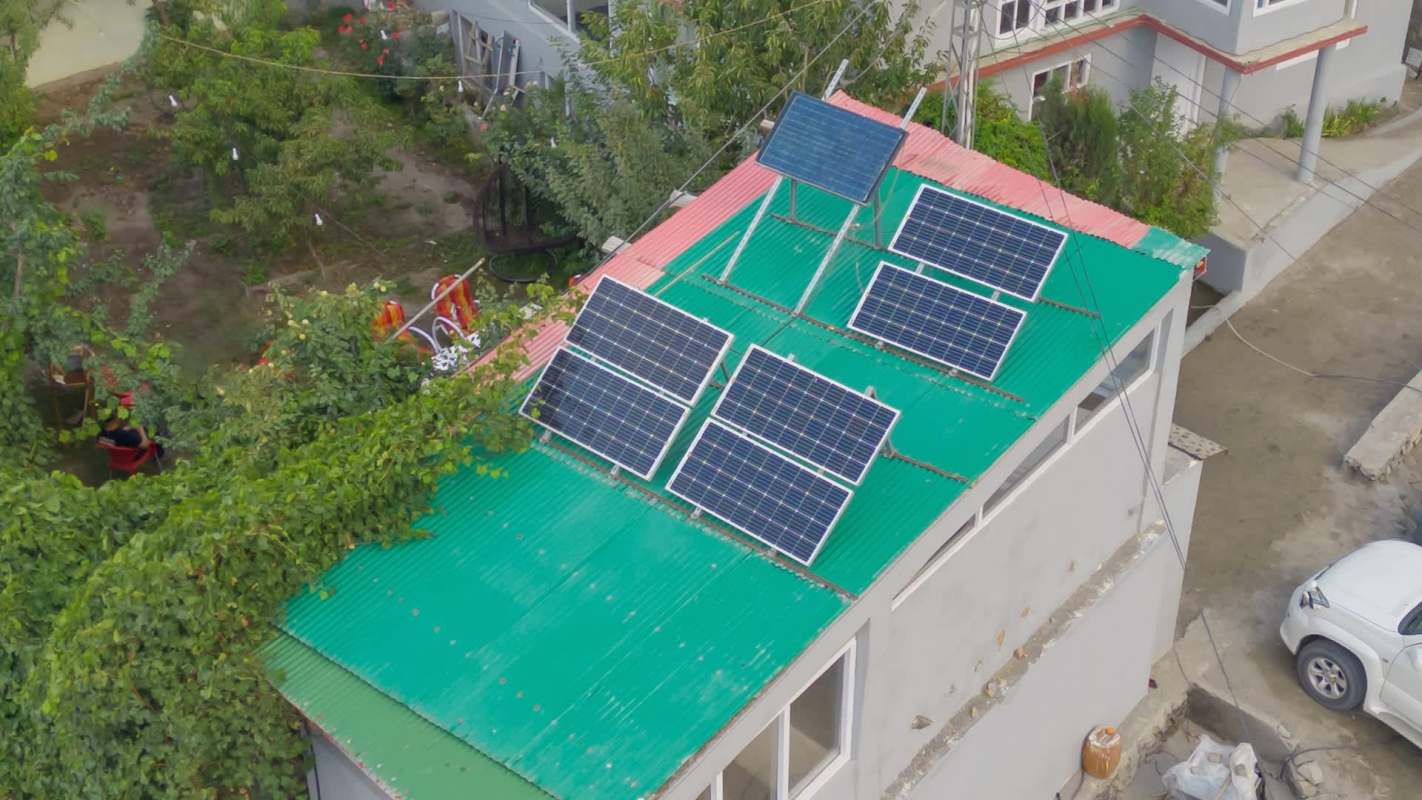
Borlace also highlighted Pakistan's rooftop-solar surge. Citing Ember, he further noted that Africa imported 15 gigawatts of solar panels in the 12 months ending in June 2025, 60% more than the year before.
The broader point in the video essay is that rising numbers of EVs, heat pumps, batteries, and other smart devices are no longer just drawing electricity from the grid. More and more, they can be coordinated to store energy, shift when power is used, and help keep electricity systems balanced.
Why does it matter?
Building a cleaner grid is only part of the equation. A smarter grid could help people save money while making energy systems more reliable, especially as more households add electric appliances, batteries, and vehicles.
This could eventually mean charging an EV when electricity is cheapest, using a home battery during expensive peak hours, or allowing a heat pump to run when renewable power is abundant.
Those adjustments can lower utility bills without forcing people to give up comfort or convenience, and in Borlace's vision of the future, all of that will happen automatically in the background, requiring no extra planning from the homeowner.
It also addresses one of the most common criticisms of renewable energy: timing. Solar and wind do not generate electricity around the clock, but flexible devices can help better align energy demand with supply.
Instead of wasting cheap midday solar power or relying more heavily on polluting backup generation, grids can shift electricity use to the times when power is cleanest and most affordable.
That could reduce strain during heat waves, cut pollution linked to fossil-fuel plants, and make blackouts less likely as electricity demand continues to rise.
What's being done?
The first step is already happening as more countries add the necessary hardware. Solar panels, batteries, EVs, and electric heating systems are becoming more common and more affordable across many markets.
The next step involves software, pricing, and grid coordination. Utilities, policymakers, and technology companies are working toward systems that allow devices to respond automatically to price signals or grid conditions. That means a car, thermostat, water heater, or home battery could one day help stabilize the grid in the background.
Devices with smart features, time-of-use compatibility, or battery integration can help households take advantage of that shift when it makes financial sense.
A smart energy setup that charges an EV overnight or runs major appliances during lower-cost hours can help households capture some of the savings promised by a more flexible grid.
Electrifying a home may offer more benefits over time than simply replacing fossil-fuel equipment. In a phase-two energy system, those devices could become money-saving assets.
Borlace's framing is that technologies once dismissed as "niche, expensive, ideological luxuries" are spreading for "the simple reason" that "they're cheaper." Now, "the next phase of the global energy transition" is "transforming millions of EVs, heat pumps, batteries and smart devices into one intelligent energy system."

Get TCD's free newsletters for easy tips, smart advice, and a chance to earn $5,000 toward home upgrades. To see more stories like this one, change your Google preferences here.






