


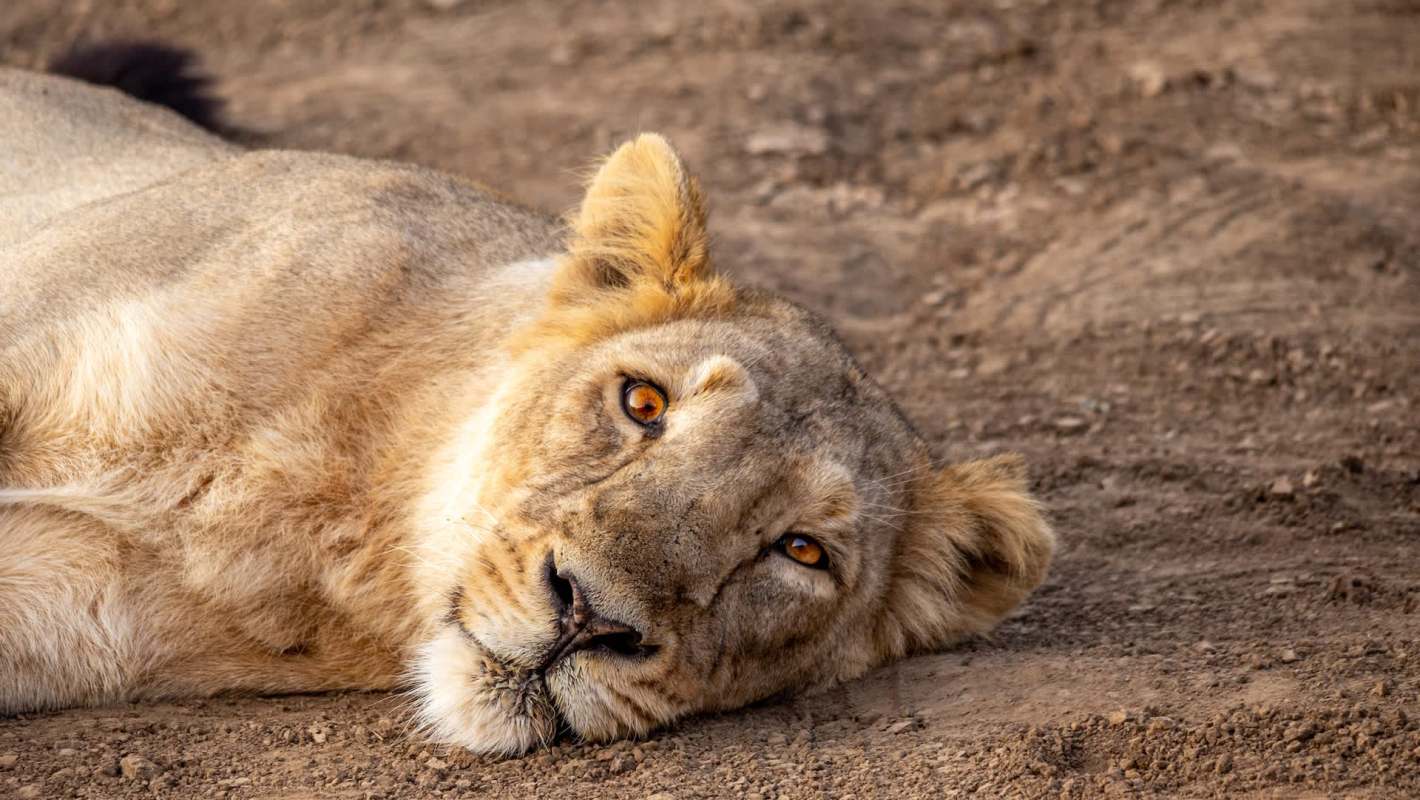
Extreme temperatures, not disease, were ultimately blamed for the late-May deaths of eight endangered Asiatic lions at a national park in India.
The news arrived as researchers introduced a wildlife heat-warning system that, in early testing, flagged more than 3,500 species as potentially vulnerable to unusual heat.
What happened?
According to Inside Climate News, officials first suspected a tick-borne parasite, the same one linked to earlier lion deaths in the region, after the animals were found dead.
The Hindu later reported that the Gujarat government concluded the lions had instead died from extreme heat.
The forecasting system described by ICN combines NASA's Goddard Earth Observing System with historical heat thresholds for more than 30,000 mammals, birds, reptiles, and amphibians to estimate up to nine months in advance when wildlife could face dangerous temperatures.
Using 2024 data, from the hottest year ever recorded globally, researchers found that between May 2024 and February 2025, the model projected unprecedented heat exposure across the known ranges of more than 3,500 species.
TCD Picks » Quince Spotlight
💡These best-sellers from Quince deliver affordable, sustainable luxury for all




Mexico was among the countries hit hardest, with Tabasco drawing particular attention.
Biologist Eric Riddell called near-term forecasting that can inform conservation and management strategies "an urgent issue that we need to address."
Why does it matter?
Extreme heat is becoming a growing threat not only to people but also to the ecosystems that communities depend on.
For example, ICN observed that heat waves have killed howler monkeys in Mexico, flying foxes in Australia, and massive numbers of marine animals off the West Coast of the United States and Alaska.
Even when animals survive these events, higher temperatures can still interfere with feeding, breeding, and normal behavior.
The consequences extend well beyond wildlife itself. Animals help sustain food webs, support pest control, bolster tourism, and contribute to healthier landscapes. When species decline, communities can feel the effects through weaker local economies, increased crop damage, and less resilient ecosystems.
The same overheating planet putting wildlife at risk is also increasing dangers for farmers, outdoor workers, and families already coping with hotter neighborhoods and more extreme weather.
In many places, the model might have offered three to five months of advance notice, potentially enabling protective steps for nearly 500 species of conservation concern.
Still, experts warned that forecasting alone will not solve the underlying problem if global temperatures continue to rise.
Study co-author Josep M. Serra-Diaz said the project helps address a missing link in conservation forecasting.
He also stressed that the model signals danger rather than certain die-offs.
"We don't predict the impact itself, we predict that species will be under a very extreme heat that maybe the species have never seen before," he told ICN. "Maybe they can cope, maybe not, but it's a very red flag."

Get TCD's free newsletters for easy tips, smart advice, and a chance to earn $5,000 toward home upgrades. To see more stories like this one, change your Google preferences here.






