


Effective disinfection depends on proven products, clear instructions, and a little skepticism, especially when a sales pitch starts sounding more like a magic trick than practical household advice.
That was the reaction on Reddit after users called out a pitch for using pricey "special" water to sanitize everyday items, a claim that quickly unraveled under even basic scientific scrutiny.
Here's what to know
"Enagic Hun advising mums to use magic water to disinfect items," the original poster wrote.
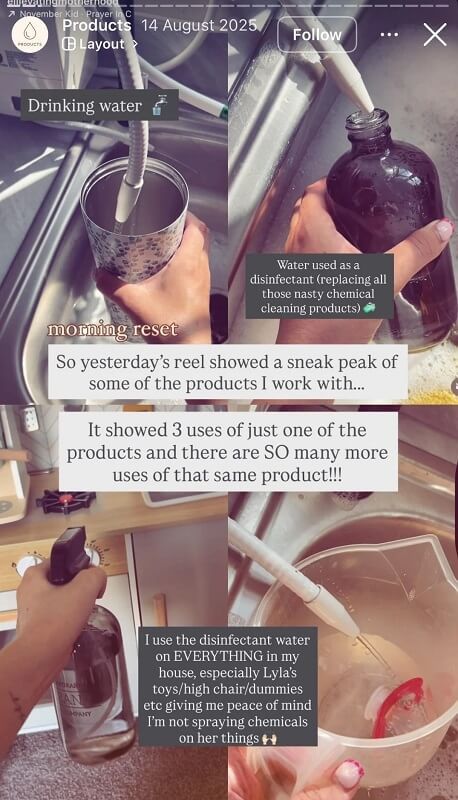
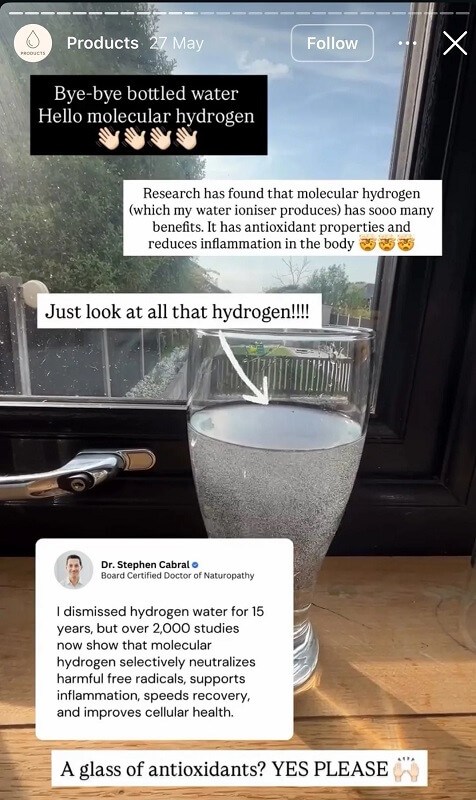
Reddit users said the pitch centered on Enagic, with claims that either "molecular hydrogen" water or water made on another machine setting could function as a disinfectant.
That is where the science begins to break down.
The bubbly appearance often presented as visual "proof" also drew criticism. A glass of water full of bubbles is not, by itself, evidence of unusual disinfecting ability; ordinary things such as dissolved gases or faucet aeration can create the same effect.
TCD Picks » Quince Spotlight
💡These best-sellers from Quince deliver affordable, sustainable luxury for all




"My water looks like that because I have an aerator on my kitchen sink," one commenter wrote.
More background
Someone who trusts a pseudoscientific sales pitch may end up spending a large amount of money on a machine while skipping products that are actually designed to kill germs.
A vague promise that a countertop machine makes "disinfectant water" is not the same as evidence.
Several commenters also criticized the machine's price.
What can be done?
Use products and methods that are already known to work.
Soap and water remain useful for cleaning visible dirt and grime. When disinfection is needed, consumers should follow the directions for products meant for that use.
Terms such as "alkaline," "molecular hydrogen," and "chemical-free" may sound convincing, but they do not replace testing. In fact, everything involved in cleaning, including water itself, is chemistry.
If a seller cannot provide clear, verifiable proof that a product disinfects, that is a strong reason to walk away.
And when a claim is packaged inside an MLM pitch, even more caution is warranted. High-pressure personal testimonials can make questionable ideas seem trustworthy, even when they do not hold up under scrutiny.
Where can I learn more?
Dubious disinfecting claims usually come down to one question: Is the advice actually backed by evidence? These stories cover actual homemade sanitizers and alcohol-based alternatives, as well as misleading green cleaning claims and common mistakes that can backfire.
- Some households even use Everclear as a disinfectant when they want an alcohol-based alternative.
- In many kitchens, rubbing alcohol "magic spray" gets praised for cleaning and disinfecting on the cheap.
- Scientists warn that supposedly safer cleaning products can still mislead consumers about what is in them.
When mold shows up, commonly used product shortcuts can make the problem worse instead of better.

Get TCD's free newsletters for easy tips, smart advice, and a chance to earn $5,000 toward home upgrades. To see more stories like this one, change your Google preferences here.






