


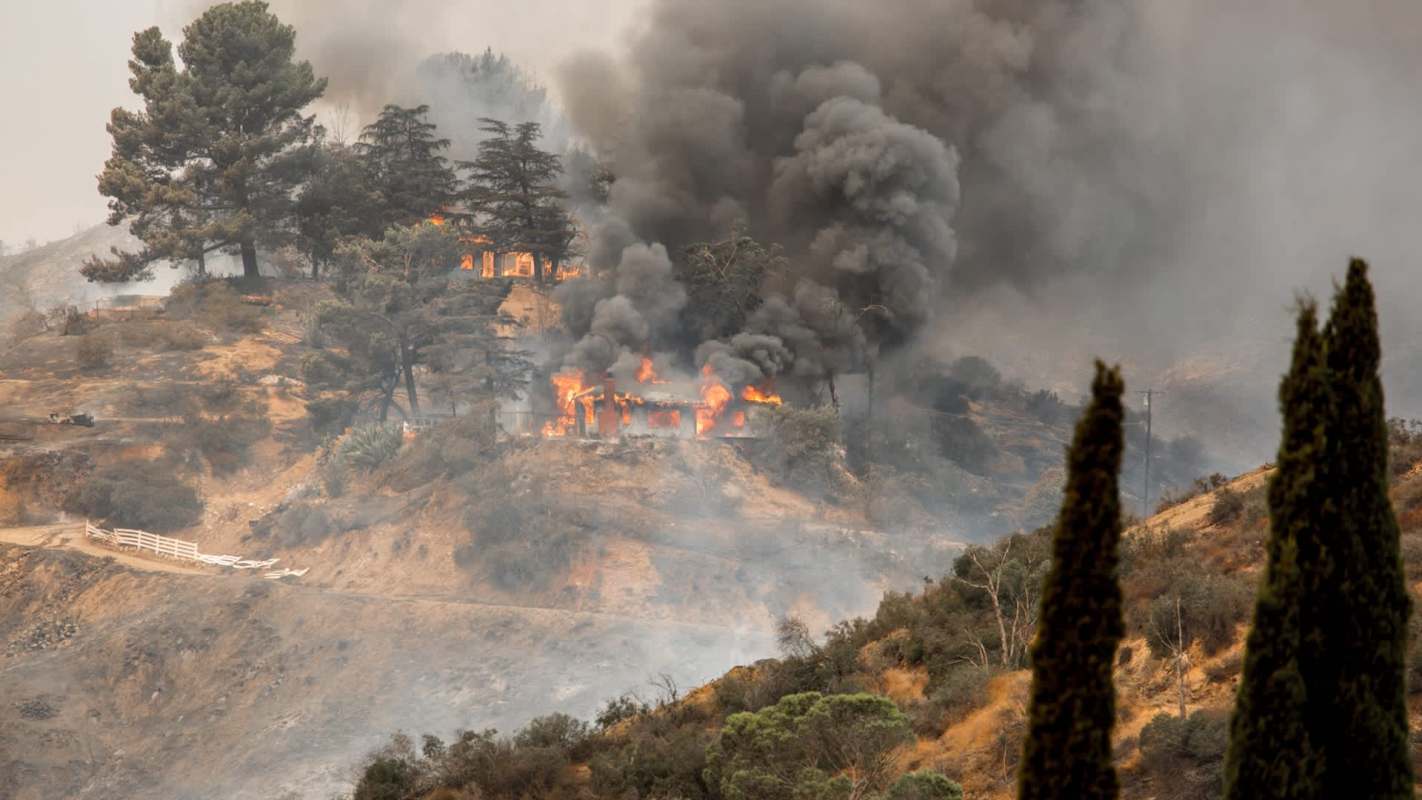
Communities in the central and eastern U.S. may be less equipped to cope with destructive wildfires, according to a new study cited by Gizmodo.
Preparedness is becoming a concern as wildfire dangers extend beyond the American West.
Here's what to know
Researchers project that about 300,000 U.S. buildings could be damaged or destroyed by wildfire by 2060 if existing development, mitigation, and vulnerability patterns continue without additional adaptation.
The study, published in Nature Communications on Nov. 3, estimates potential losses ranging from 133,200 to 449,100 buildings.
The projected risk for 2051–2060 is as much as 3.2 times the estimate for 2011–2020.
To develop those projections, researchers reconstructed wildfire risk to buildings from 1945 through 2023 using records of past fire footprints, construction trends, and damage. They then combined that reconstruction with weather, climate, and housing-density data.
TCD Picks » Quince Spotlight
💡These best-sellers from Quince deliver affordable, sustainable luxury for all




As new hotspots emerge in central and eastern states, growing wildfire threats could test communities with less experience preparing for fires.
California and the wider West, however, are expected to remain at the greatest risk.
More background
The January 2025 Palisades and Eaton fires in Los Angeles County together wiped out approximately 16,000 buildings — about quadruple the number of structures typically lost nationwide in a year of wildfires.
Beyond the immediate damage, increasingly destructive and lethal fires threaten public health, community safety, and economic stability. Wildfires are a result of extreme weather, a phenomenon growing in scope and impact as temperatures rise.
Nationwide, yearly spending on firefighting has topped $3 billion, while economic losses have reached more than 130 times suppression budgets.
In the West, socioeconomic hardship affects 30% of the census tracts expected to have the greatest wildfire exposure, leaving vulnerable communities facing severe structural losses.
Climate change largely drove the expansion of wildfire during the 2000s, according to a 2022 study by Virginia Iglesias, director of Earth Lab at the University of Colorado Boulder, and colleagues.
Their research found that fires affected a wider area, happened more often, and grew larger, a hallmark of extreme weather.
What can be done?
The study identified development in fire-prone terrain, longer fire seasons, landscape modification, and structural and social vulnerability as drivers of losses.
Curtailing global warming remains essential alongside addressing these other factors.
More funding for fire adaptation and resilience measures is an outcome the researchers hope to see from their work, Gizmodo noted. Iglesias, the study's lead author, emphasized the importance of practical protections residents can put in place.
"At the household level, measures such as using fire-resilient building materials, protecting homes from embers, and maintaining defensible space can largely improve the odds of a home's survival," Iglesias told Gizmodo.
"But no single measure removes risk completely. Wildfire resilience requires a collective effort, with neighbors and local governments working together to reduce risk across entire communities and surrounding wildlands," she continued.
"What we found is that development largely determines where risk is concentrated, while changes in fire activity drive how risk increases over time," Iglesias concluded.
Where can I learn more?
Drought and dwindling firefighting resources are already testing communities facing growing wildfire threats. These stories cover hazardous smoke and firefighter staffing challenges.
• Five Texas wildfires drew Central Texas crews to the Palo Pinto and Sutton fire lines.
• Following record U.S. heat, wildfire smoke exposed 120 million to hazardous air.
• U.S. firefighters warn that staffing gaps and fatigue are making wildfire responses deadlier.

Get TCD's free newsletters for easy tips, smart advice, and a chance to earn $5,000 toward home upgrades. To see more stories like this one, change your Google preferences here.






