


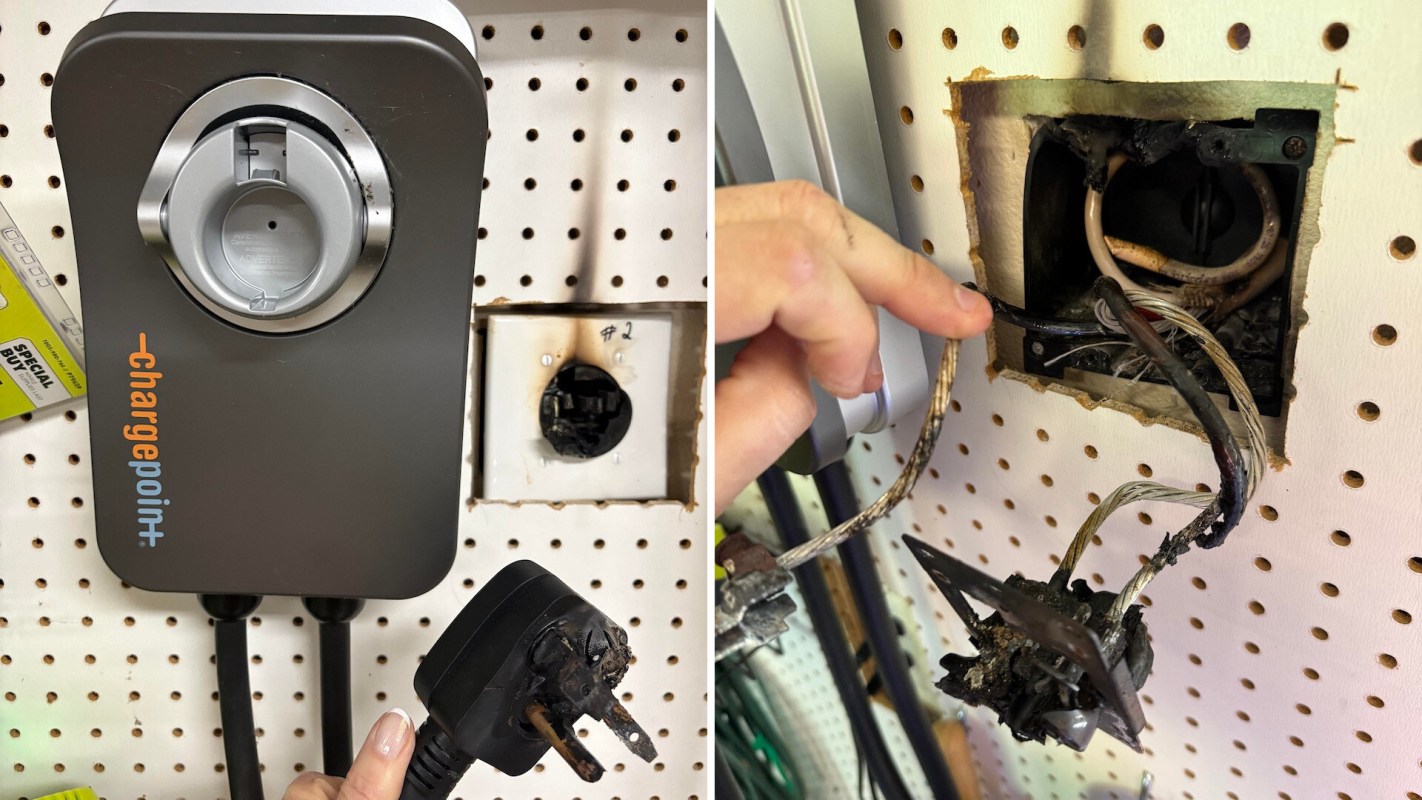
A melted outlet connected to a home EV charger is prompting a conversation about a part many drivers likely never think twice about. In this case, the biggest concern was not the car or even the charger itself — it was a cheap 50-amp receptacle.
Here's what to know
The Reddit post centered on a ChargePoint home charger connected to a failed 6-50 receptacle. The poster wrote: "Obviously something was making bad contact and heated up badly." They said the installation otherwise appeared compliant aside from missing strain relief at the remodel mount box and described the outlet as a cheap aluminum-rated Leviton model.
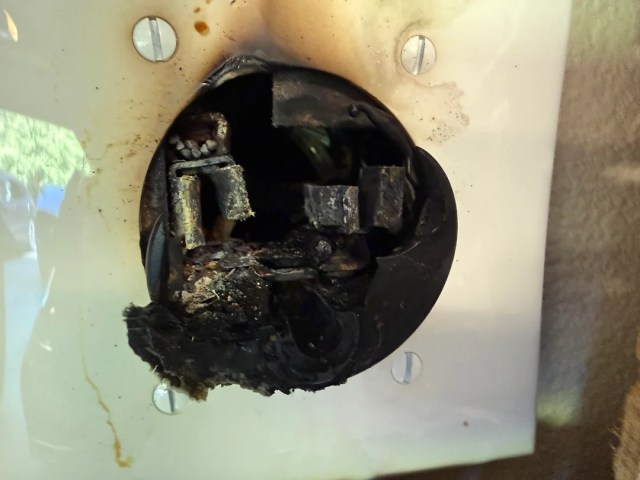
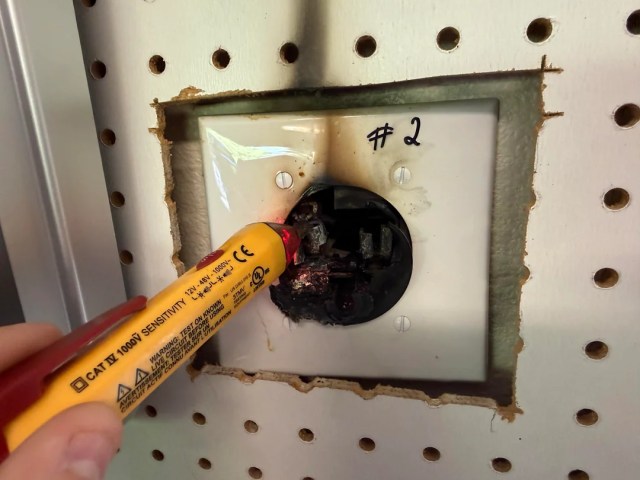
The poster also said the ChargePoint may never have been configured in software, meaning it may have been charging at 16 amps instead of 40. Possible causes they raised included weak clamping inside the receptacle, a connection problem, or a plug that wasn't fully inserted because the outlet sat recessed behind pegboard.
Commenters quickly zeroed in on the outlet itself. One asked, "Was this an EVSE rated receptacle? There is a difference due to continuous load required and heat buildup." Another added: "There are two types of 6-50s. The cheap one, and the EV rated one that's about triple the cost."
More background
Home charging is one of the biggest practical benefits of owning an EV. Charging at home is typically more convenient than stopping for gas, and because electricity often costs less per mile than gasoline, many drivers can save on fuel while also avoiding some of the maintenance costs that come with combustion vehicles.
A failed outlet can lead to costly repairs, downtime, and, in the worst case, a fire risk.
TCD Picks » Quince Spotlight
💡These best-sellers from Quince deliver affordable, sustainable luxury for all




Several commenters argued that the issue goes beyond a single installation. One wrote: "Any 50A rated receptacle in the U.S. is supposed to be able to carry 50A for 3 hours or 40A indefinitely, and if it can't then it shouldn't be sold as a 50A receptacle." Another pointed out that "a plug in setup will add at least one extra point of failure compare to a hard wired setup."
What can be done?
Level 2 charger installations raise questions about whether the receptacle is specifically intended for continuous EV charging, whether the wiring and terminals were torqued correctly, and whether a hardwired setup makes more sense for the amperage.
Proper software commissioning also helps ensure the charger's output matches the circuit it is connected to. One commenter said this kind of failure often comes down to basic installation issues, including undersized wire or terminals that were not tightened properly.
As one commenter put it: "You can't have 2 outlets that have the same plug configuration where one works in one application and the other burns up."
Where can I learn more?
Problems like this have led more EV owners to take a closer look at home charging setups and equipment choices. These stories cover melting outlets, home-charging workarounds, charger reliability, and maintenance frustrations.
• One EV owner said the outlets were melting when installers used improper home charging wiring.
• An HOA dispute left one homeowner relying on a MacGyvered EV charging workaround at home.
• Across charging networks, drivers still face room for improvement when reliability breaks down.
• After testing four chargers, one driver called public electric vehicle chargers "actually ridiculous" to use.

Get TCD's free newsletters for easy tips, smart advice, and a chance to earn $5,000 toward home upgrades. To see more stories like this one, change your Google preferences here.






