


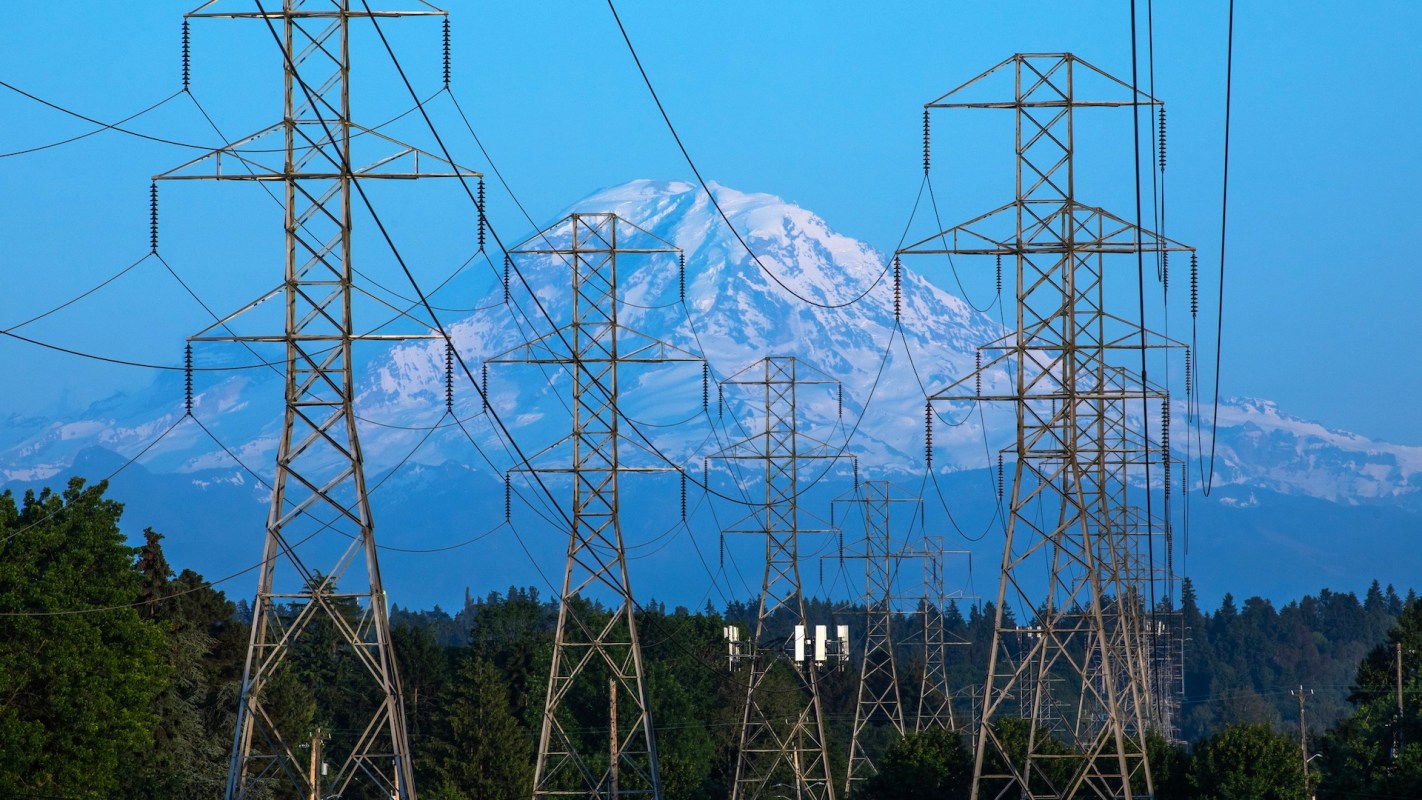
America's electricity grid is being pushed harder than ever, and federal officials are betting that smarter upgrades can help prevent shortages before they turn into outages as demand rises and blackout concerns grow.
That approach would involve nearly $2 billion from the Department of Energy for projects intended to raise the amount of electricity existing transmission lines can deliver, with artificial intelligence data centers contributing to the surge in power use, according to The Associated Press.
Here's what to know
Spread across 26 states, the plan includes 31 projects.
Together, they are intended to free up more than 23 gigawatts of capacity, roughly enough electricity for 16 million homes.
The projects would rely on tools such as sensors and related equipment that monitor weather in real time, allowing operators to keep transmission safe and steer electricity away from congested routes.
Officials believe the upgrades could make the grid more reliable and reduce electricity bills for about 100 million Americans. The idea is to improve the performance of a system already under strain, rather than waiting years for brand-new infrastructure.
TCD Picks » Quince Spotlight
💡These best-sellers from Quince deliver affordable, sustainable luxury for all




Massive new data centers are driving up electricity consumption.
Meanwhile, power bills in many places have been rising faster than inflation, and much of that pressure has been linked to data-center demand.
More background
The timing of the announcement reflects broader concern that AI's growing power needs could outpace U.S. electricity supply because data centers are added faster than new power plants.
New power plants and major transmission expansions can take years to permit and build, so squeezing more capacity out of existing lines could be a faster solution.
The Energy Department said the selected projects include component upgrades affecting more than 1,500 miles of transmission lines, along with technology improvements across nearly 21,000 miles.
The department indicated that it prioritized projects it could bring online quickly.
The politics surrounding the issue have also grown more heated. President Donald Trump has continued to back data centers even as politicians in both major parties criticize them and community pushback intensifies nationwide.
Congress and some states are pushing regulators to require utilities to use technology and new components so grids become more efficient and can better serve new customers without extra power sources.
What's being done?
The federal government's share totals $1.9 billion, while recipients are expected to provide $3.35 billion in matching cost-share funding.
The money comes from a bipartisan infrastructure law Congress passed during former President Joe Biden's administration.
"These investments will get more out of the infrastructure we already have, move more electricity across the grid, and help deliver affordable, reliable, and secure power that will fuel American prosperity for decades to come," said Energy Secretary Chris Wright.
Where can I learn more?
Other developments show how governments and utilities are trying to strengthen the grid as electricity demand rises. They cover everything from major federal transmission funding and state upgrades to fights over access and costs.
• New Jersey backed a nearly billion-dollar grid update tied to solar expansion.
• In the Southwest, a massive clean energy project secured $11 billion.
• Federal policymakers floated a proposal on grid access with implications for power bills.

Get TCD's free newsletters for easy tips, smart advice, and a chance to earn $5,000 toward home upgrades. To see more stories like this one, change your Google preferences here.






