


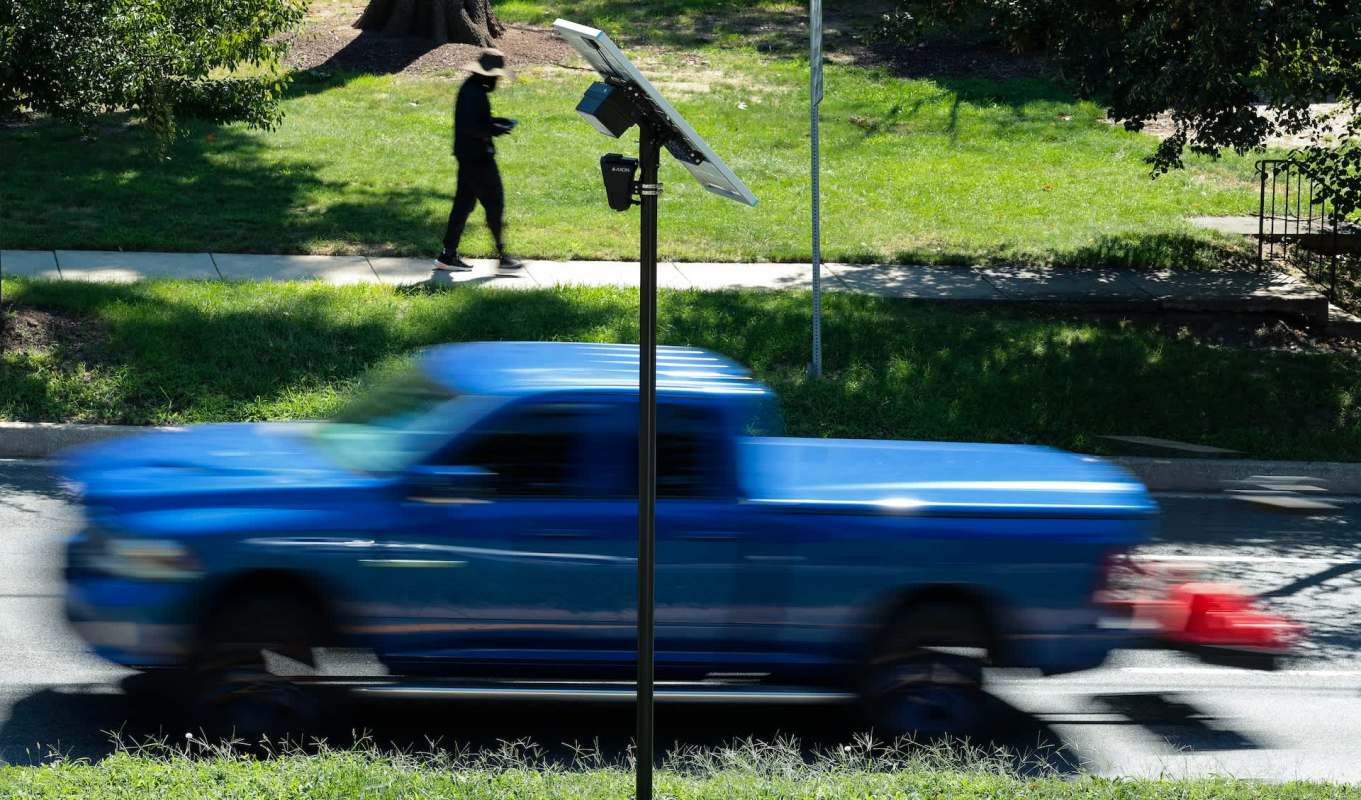
El Paso is enforcing new restrictions on automated license plate readers after directing Flock Safety cameras to be removed from city property in September.
The move gives residents in the Texas border city a stronger voice in how much vehicle-tracking technology their government can use in everyday life.
Here's what to know
Before the vote, council members had already ordered the removal of Flock cameras on city property or otherwise controlled by the city within 60 days, according to Texas Scorecard.
They then unanimously approved a resolution, listed on the meeting agenda, that bars the city manager from "entering into, executing, renewing, or extending any contract, agreement, or other arrangement" involving Flock Safety or other automated license plate reader vendors.
Privacy concerns helped drive the effort, particularly questions about how the cameras use the information they gather. Residents have also objected that police departments can access Flock data without a warrant, raising fears of potential Fourth Amendment violations.
KFox14 reported that the new restriction does not apply to handheld readers, vehicle-mounted readers, or systems used for parking, access control, or toll collection.
TCD Picks » Quince Spotlight
💡These best-sellers from Quince deliver affordable, sustainable luxury for all




Any future return of the technology would need City Council approval, Councilmember Chris Canales told KFox14.
More background
The resolution adds to a September decision that set a 60-day deadline to remove Flock cameras from property the city owns or controls. If they cannot all be removed within that period, the cameras must be covered to "fully restrict their use."
Automated license plate readers can generate vast stores of data showing where vehicles have traveled. Limiting that collection can mean fewer opportunities to track people's movements without their knowledge.
At the same time, critics of camera bans often argue that removing surveillance tools could make it harder for law enforcement to locate suspects or respond quickly to crime. In El Paso County, Sheriff Joseph Roybal addressed that concern directly when his department said on September 30 that it was ending its use of the technology.
El Paso's move comes as Texas officials continue debating the use of these systems. Gov. Greg Abbott directed the Texas Department of Transportation to stop issuing permits for Flock cameras and similar plate-reading systems on state roads.
Comptroller Don Huffines stopped grant funds administered by his office from being used to buy or contract for Flock cameras, plate-reading systems, and related covered vehicle-identification technology.
What's being done?
Lawmakers are expected to take up the issue during the legislative session that begins January 12. Their decision could shape whether Texas adopts broader guardrails to balance crime-fighting tools with privacy protections.
Roybal said: "We have the tools, training, and experience to locate and apprehend criminals without relying on Flock cameras. Our commitment to public safety remains stronger than ever."

Get TCD's free newsletters for easy tips, smart advice, and a chance to earn $5,000 toward home upgrades. To see more stories like this one, change your Google preferences here.






