


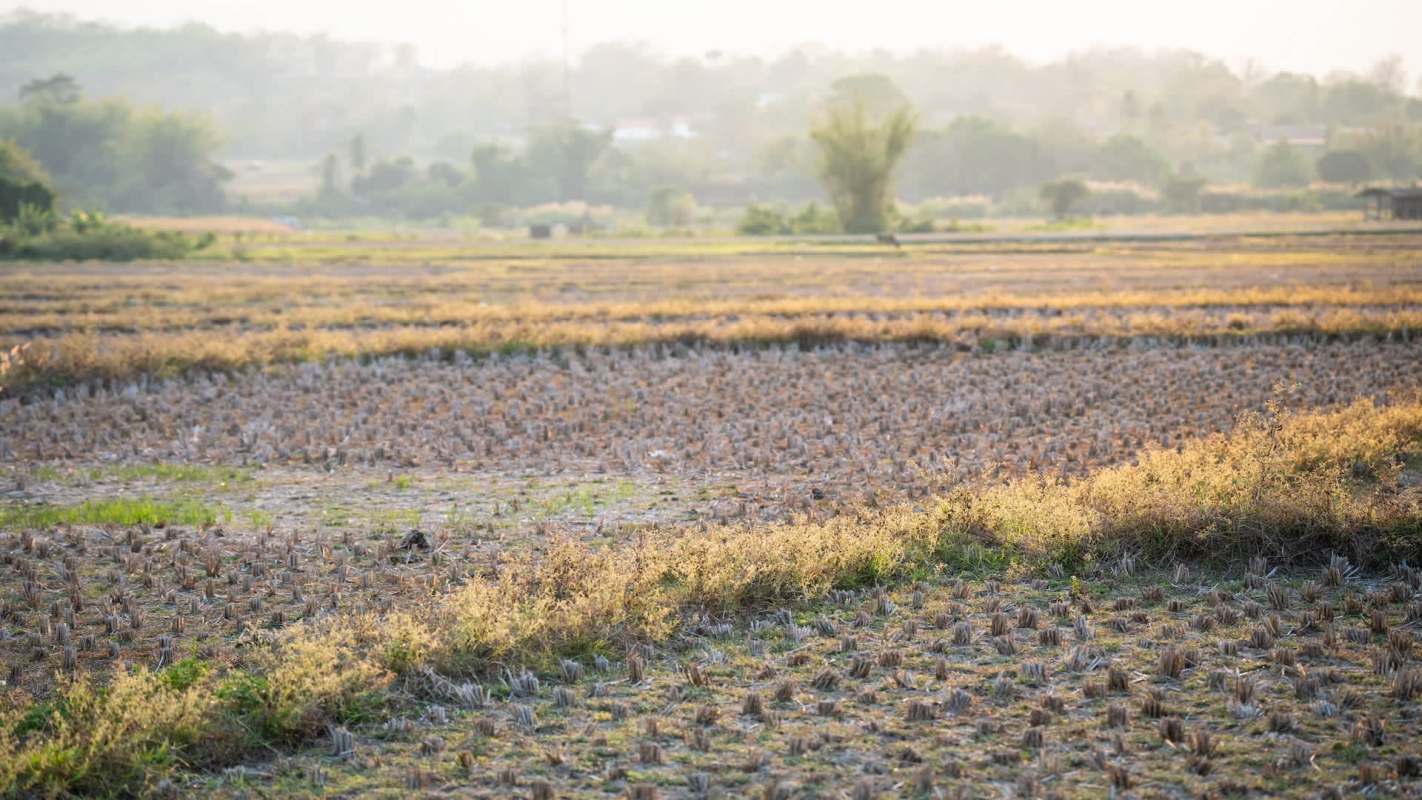
Meteorologists say the developing El Niño could be among the strongest ever recorded, raising the risk of drought in parts of Asia while contributing to floods, heat waves, and other dangerous weather extremes elsewhere.
Here's what to know
Forecasters expect the event to crest in December, and the United Kingdom's national weather and climate service says it may exceed any El Niño seen in living memory. As the Associated Press reported, the U.S. National Oceanic and Atmospheric Administration says there is a 69% chance it will rank as the strongest El Niño since records began in 1950.
August brought record ocean temperatures worldwide, according to Kareff Rafisura, who leads disaster risk reduction for the U.N.'s Asia-Pacific Economic and Social Commission. That backdrop matters because El Niño is a natural climate pattern tied to warmer-than-usual surface temperatures in the Pacific Ocean, and this episode is forming while oceans globally are already unusually warm.
Food security concerns are not limited to countries around the Pacific. The United Nations' World Food Program has warned that by the end of 2027, El Niño could leave at least 49 million additional people facing acute food insecurity, with especially severe effects projected for Central America, Southern Africa, eastern Africa, and parts of South and Southeast Asia.
More background
Across Asia, some warning signs are already visible. In Indonesia, wildfires are spreading through forests and peatlands, and water levels at a reservoir serving Jakarta have dropped enough to expose remains from one of the 11 communities that were flooded when the reservoir was created.
Hussen, a boatman, said of the area, "I would have rather not moved. There were plenty of livelihood opportunities here."
TCD Picks » Quince Spotlight
💡These best-sellers from Quince deliver affordable, sustainable luxury for all




Lower flows on the Mekong River are adding pressure for fishing and farming communities that depend on stable water levels.
"It's one punch after another," said Zeb Hogan, a researcher at the University of Nevada, Reno.
Because Southeast Asia is so important to global food supplies, disruptions there can affect far more than the region. India, Vietnam, and Thailand are among the world's top rice exporters, while Indonesia and Malaysia account for roughly 85% of the world's palm oil.
What can be done?
Malaysia's prime minister has directed the Ministry of Agriculture and Food Security to look for ways to lessen El Niño's effects.
Rafisura said farmers may need to adapt by planting later, using less land, or switching to different crops.
"Whatever happens to agriculture really determines whether people stay below or just slightly above the poverty line," Rafisura said. "Coming back to Southeast Asia, whatever happens here, the extent to which countries can protect production levels, will have global impacts."
Where can I learn more?
These stories dig into how El Niño and unusually warm temperatures can intensify weather shocks and strain food systems.
• Scientists warn this El Niño could hit harder as warming amplifies floods, heat, and drought.
• The United Nations says harsher heat, floods, and drought are likely as El Niño returns.
• Farmers say extreme weather devastates crops and pushes food insecurity deeper into rural communities.

Get TCD's free newsletters for easy tips, smart advice, and a chance to earn $5,000 toward home upgrades. To see more stories like this one, change your Google preferences here.






