


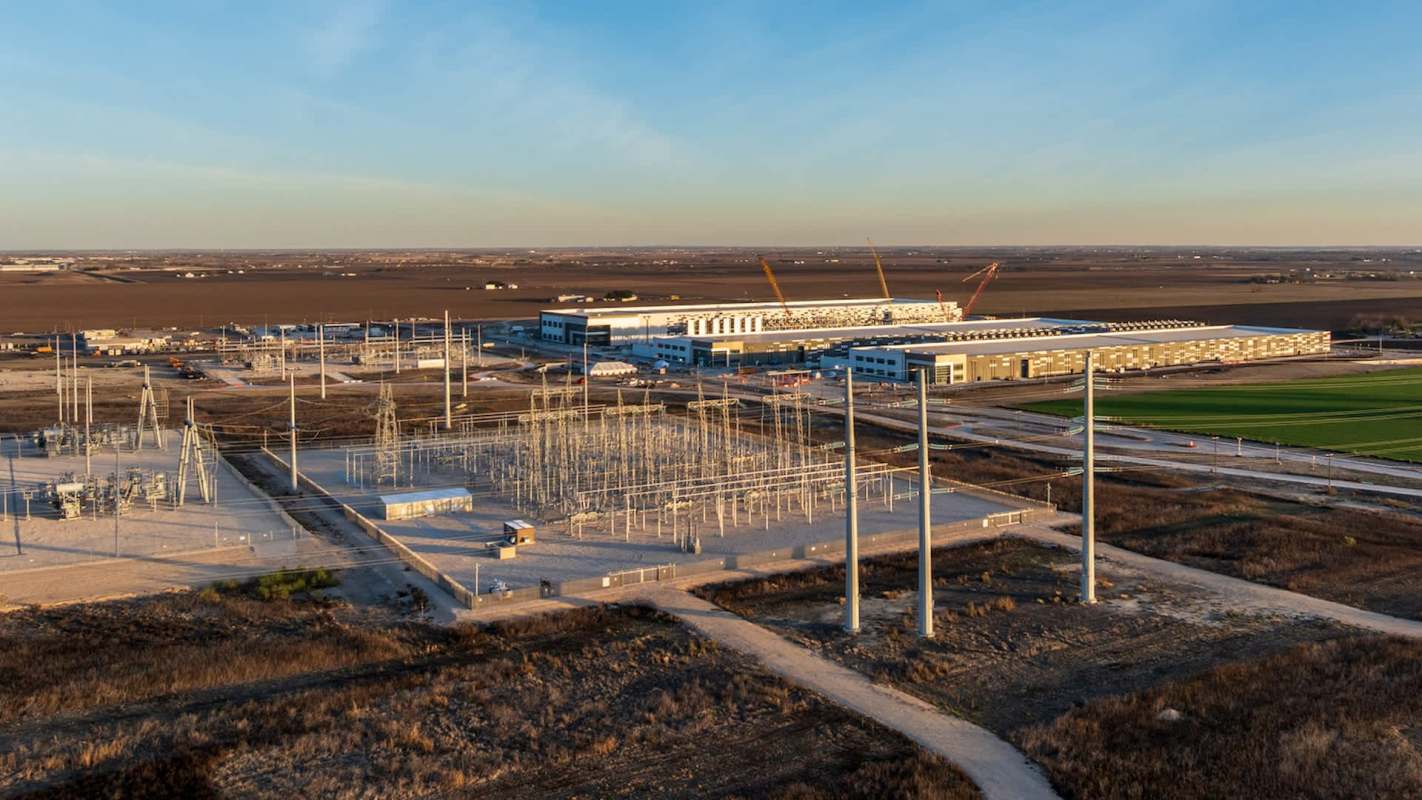
Before any developer has proposed a local project, East Lyme, Connecticut, has already moved to bar data centers, reflecting growing concerns over power demand, pollution, and possible disruption to nearby neighborhoods.
The coastal town's open-ended ban fits into a broader pattern in the state and across the country, where some communities are choosing to hit a preemptive pause on the energy- and water-hungry facilities that power artificial intelligence, cloud infrastructure, and streaming.
Here's what to know
Earlier in October, East Lyme's Zoning Commission unanimously approved an indefinite ban on the development of data centers, the Connecticut Mirror reported. The rule, which went into effect on Oct. 24, makes the town one of the first in Connecticut to impose a blanket prohibition.
Half a dozen municipalities in the state, including New Haven and Morris, have already taken similar preemptive action through bans or moratoriums before any local buildout. East Lyme leaders presented this new move as a safeguard before the issue becomes more pressing in their area.
During an August meeting, Zoning Commission chairwoman Anne Thurlow pointed to nationwide concerns about pollution, energy use, and chemical runoff. "I think it's a good thing to ban them until we know more about them," Thurlow said at the meeting, according to the Mirror. "It could always be reversed if the town wanted to."
More background
The fight is taking shape even as Connecticut's earlier push to attract the data center industry has produced little visible growth.
TCD Picks » Quince Spotlight
💡These best-sellers from Quince deliver affordable, sustainable luxury for all




In 2021, lawmakers approved tax incentives for projects investing at least $200 million in the state, or $50 million in certain zones. As the Mirror detailed, the only development to use the exemption has been Cigna's $386 million renovation of an existing data center in Windsor.
Meanwhile, the Hartford Courant has reported on pushback on facilities proposed in Trumbull, Beacon Falls, and Cromwell.
Developers and some local proponents of development say outright bans can be overly broad. In their view, the restrictions can group smaller facilities together with hyperscale complexes and ignore potential economic benefits.
What's being done?
The Mirror reported that state Senate Majority Leader Bob Duff plans to introduce legislation for a statewide moratorium on new data centers so Connecticut can better study possible effects on electricity, water, and surrounding communities.
Senate Minority Leader Stephen Harding has said he would support a pause, along with repealing the 2021 tax incentive.
Gov. Ned Lamont's office has also signaled openness to changing or ending that tax credit. A spokesperson told the Mirror it was never meant for large AI data centers and "should be clarified to ensure it is never used by a hyperscale data center and that data centers bring their own power."
Some cities and towns are taking a narrower approach rather than imposing total bans.
New Haven approved a one-year moratorium that exempts its existing quantum computing hub. Morris has implemented a two-year ban.
Where can I learn more?
Connecticut isn't alone: Local governments elsewhere are weighing similar restrictions as opposition to data centers spreads:
• In Lowell, Massachusetts, residents pushed for a ban in every district before projects arrived.
• In Manchester, New Jersey, officials took the first step toward banning after Route 37 protests.
• In Jersey City, officials banned standalone data centers as worries mounted over rising power bills.
• In Holmdel Township, leaders moved to ban data centers after Bell Works' 40-megawatt bid.
• In Skagit County, Washington, commissioners weighed a ban on new data centers over water fears.

Get TCD's free newsletters for easy tips, smart advice, and a chance to earn $5,000 toward home upgrades. To see more stories like this one, change your Google preferences here.






