


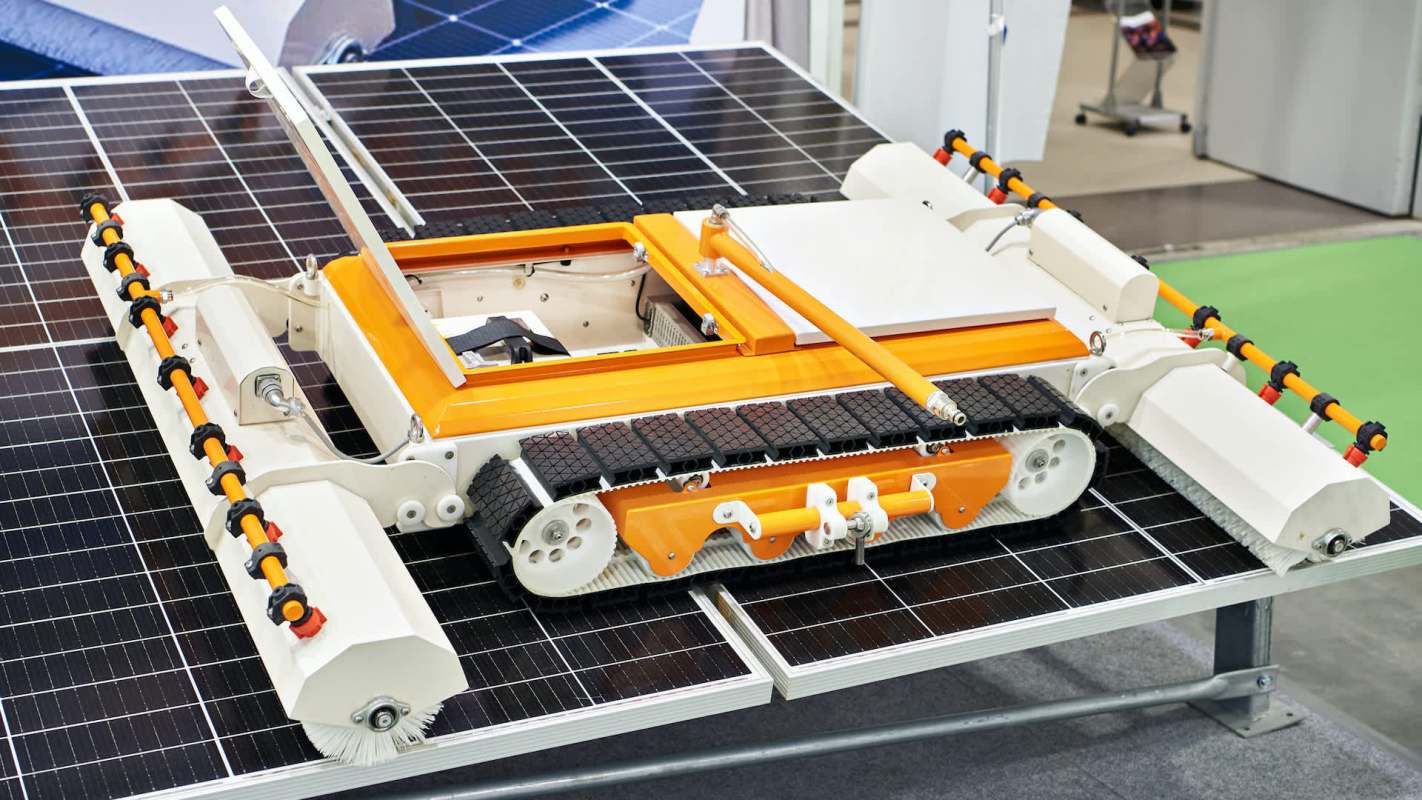
Dust reduces the effectiveness of solar panels and may even be rapidly wearing down the coatings meant to keep those panels cleaner in the first place.
Researchers at the Indian Institute of Technology Bombay found that when dust was present during robotic cleaning, coating life dropped to about 1/82 of the no-dust case.
Here's what to know
According to PV Magazine, the IIT Bombay researchers evaluated four commercial hydrophobic antisoiling coatings on photovoltaic modules during waterless robotic cleaning and identified dust as the main cause of abrasion damage.
Corresponding author Sonali Bhaduri told PV Magazine, "Using an accelerated cleaning testbed that emulates relevant field conditions, we studied the effects of dust during cleaning, brush material, brush rotation direction, and horizontal cleaning velocity on four commercial hydrophobic coatings."
Crushed by your bills? See instant solar savings from vetted installers in just a few clicks With energy prices through the roof, there's never been a better time to go solar — and EasyHome can help you find the best prices from the best installers in your area. EasyHome takes the guesswork and headaches out of energy upgrades by showing you estimated savings from a network of vetted local partners. To get started, just enter your ZIP and share a few details about your home — seeing your estimate is really that easy. |

Other operating conditions shortened coating lifespan as well.
Bhaduri said that, beyond dust, "using a harder brush material reduced coating life to approximately one-third." The IIT Bombay team also found that coating life fell to about one-third when the brush turned in the same direction it was moving and when brush speed was reduced from 1.3 feet per second to 0.33 feet per second.
More background
To simulate real-world wear, the researchers built an indoor abrasion testbed that cooled samples to about 70 degrees Fahrenheit. They misted the samples with fog-like water, added dust, and later heated them to 149 F. A dust load of about 0.000046 ounces per square inch roughly matched two weeks of natural soiling at IIT Bombay.
The study also helped explain why some cleaning setups are tougher on coatings than others. When the brush moved in the same direction as its travel, it dragged dust across the surface and produced severe scratches.
After 550 abrasion cycles, antisoiling performance had declined under all rotation conditions. Coating C, the only phenylsilicone-based coating in the group, was completely removed regardless of rotation direction.
Cleaning speed also played a major role. At 0.33 feet per second, 10 rows of bristle tufts touched the glass during each pass, compared with four rows at 1.3 feet per second, increasing abrasion. After 3,700 cycles, coating C had lost about 50% of its surface coverage at both speeds, and slower brushing caused a greater reduction in bristle hardness.
For homeowners, protecting solar performance matters too. Going solar is one of the best ways to save money on home energy, and you can try EnergySage to get free solar installation estimates and compare quotes. Keeping panels clean can help people keep those savings for as long as possible.
What can be done?
The researchers proposed several practical fixes for robotic cleaning systems. They recommended cleaning often enough to avoid heavy dust buildup, since larger dust deposits intensify abrasion. They also advised using softer bristles, including the study's microfiber cloth brush, instead of harder brush materials.
More From EnergySage
💡Go deep on the latest news and trends shaping the residential solar landscape
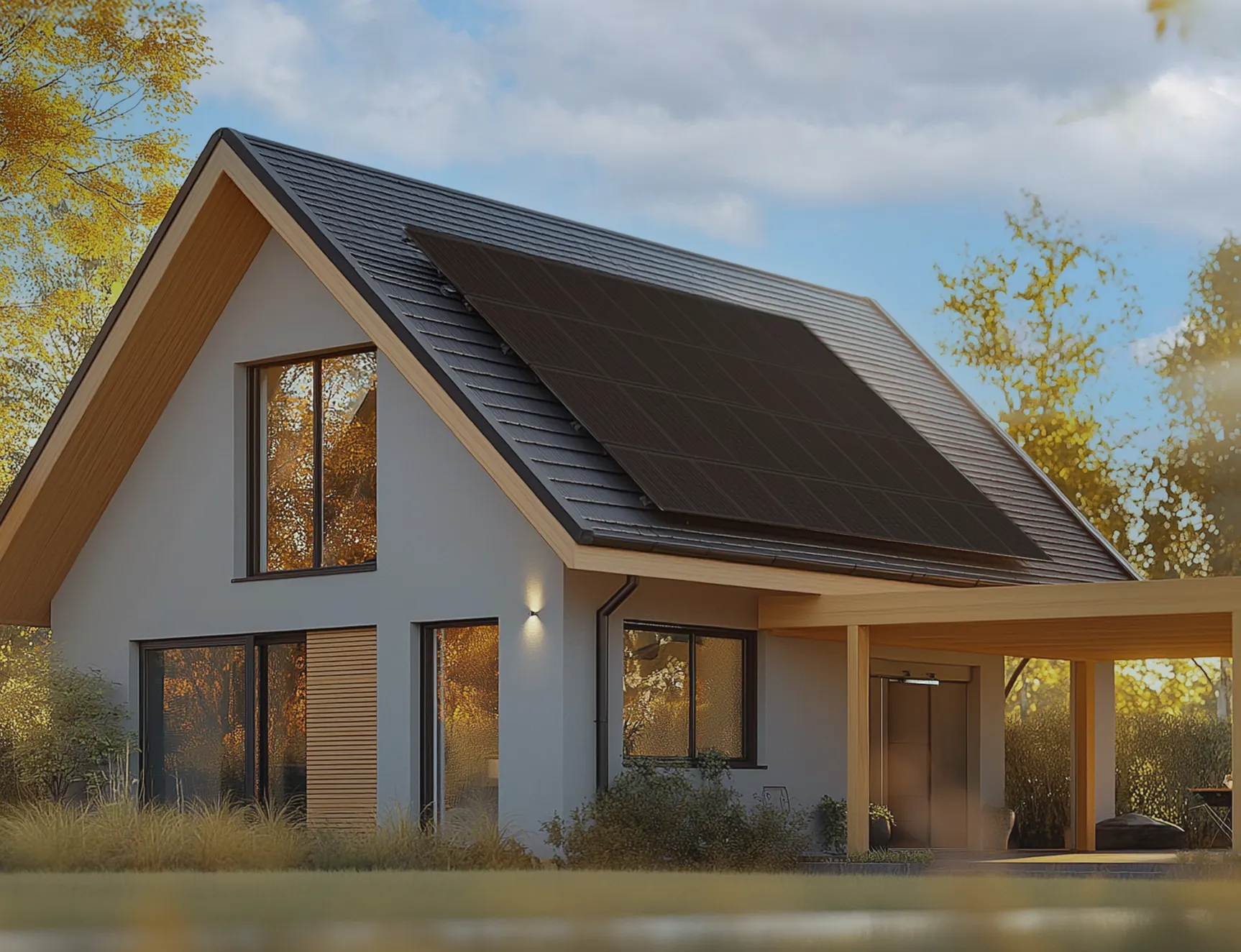
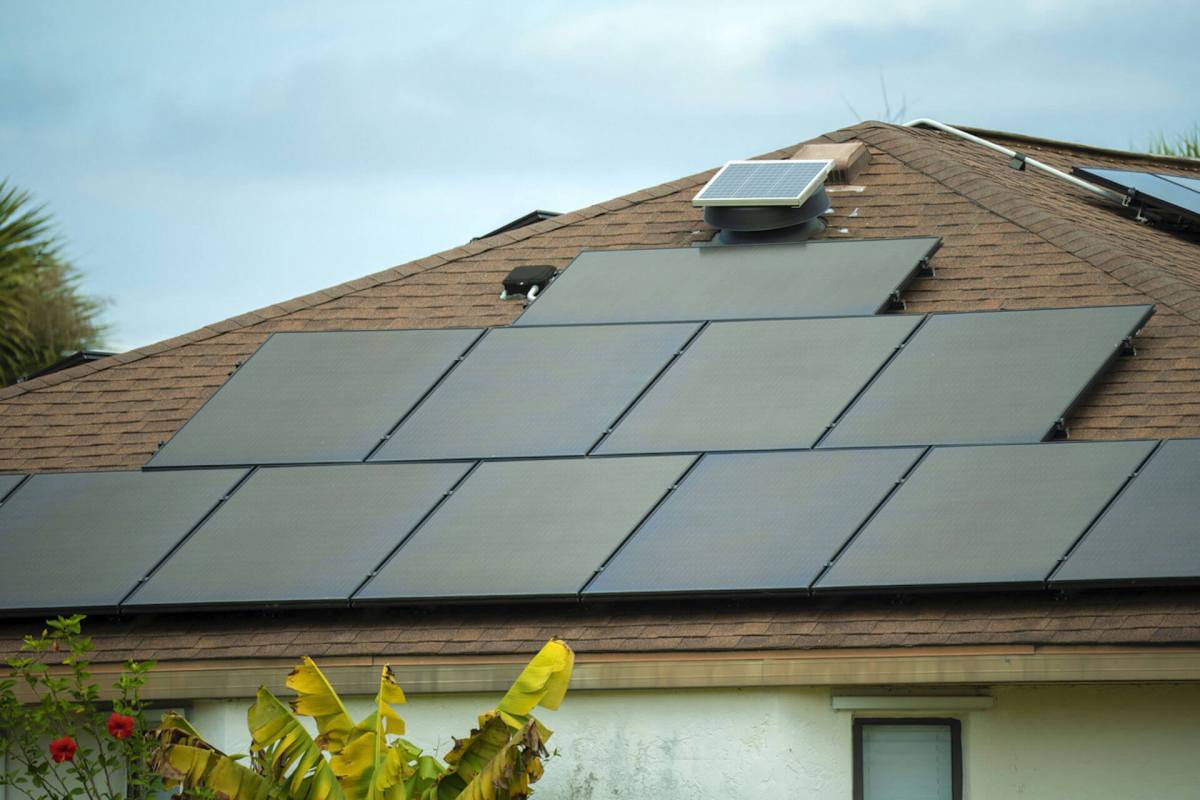

They further recommended avoiding brush rotation in the same direction as travel and steering clear of lower horizontal brush speeds, both of which increased coating wear in the IIT Bombay tests.
For homeowners looking at the same solar value equation, EnergySage can be especially useful. With EnergySage's help, the average person can save up to $10,000 on solar purchases and installations. And EnergySage's solar map shows the average cost of a home solar panel system on a state-by-state level along with solar panel incentives in each state. These tools can help homeowners get the best price for rooftop solar panels and access available incentives.
Adding battery storage to a solar setup is one of the best ways to protect your home during outages, save money on energy, and go off-grid. It can also store daytime solar power for use when electricity prices are higher or the sun is down. Homeowners can explore EnergySage for information about home battery storage options, including competitive installation estimates.
Where can I learn more?
How panels handle dust — and how people clean them — can make a big difference in solar output over time.
• In China, a manufacturer unveiled revolutionary anti-dust solar panels aimed at stubborn grime losses.
• Solar experts warned that common cleaning products can leave panels dirtier and less efficient.
• Engineers developed self-cleaning solar panels that use wind energy to shed dust.
• Homeowners found that a simple rinse can restore about 5% more output.

Get TCD's free newsletters for easy tips, smart advice, and a chance to earn $5,000 toward home upgrades. To see more stories like this one, change your Google preferences here.






