


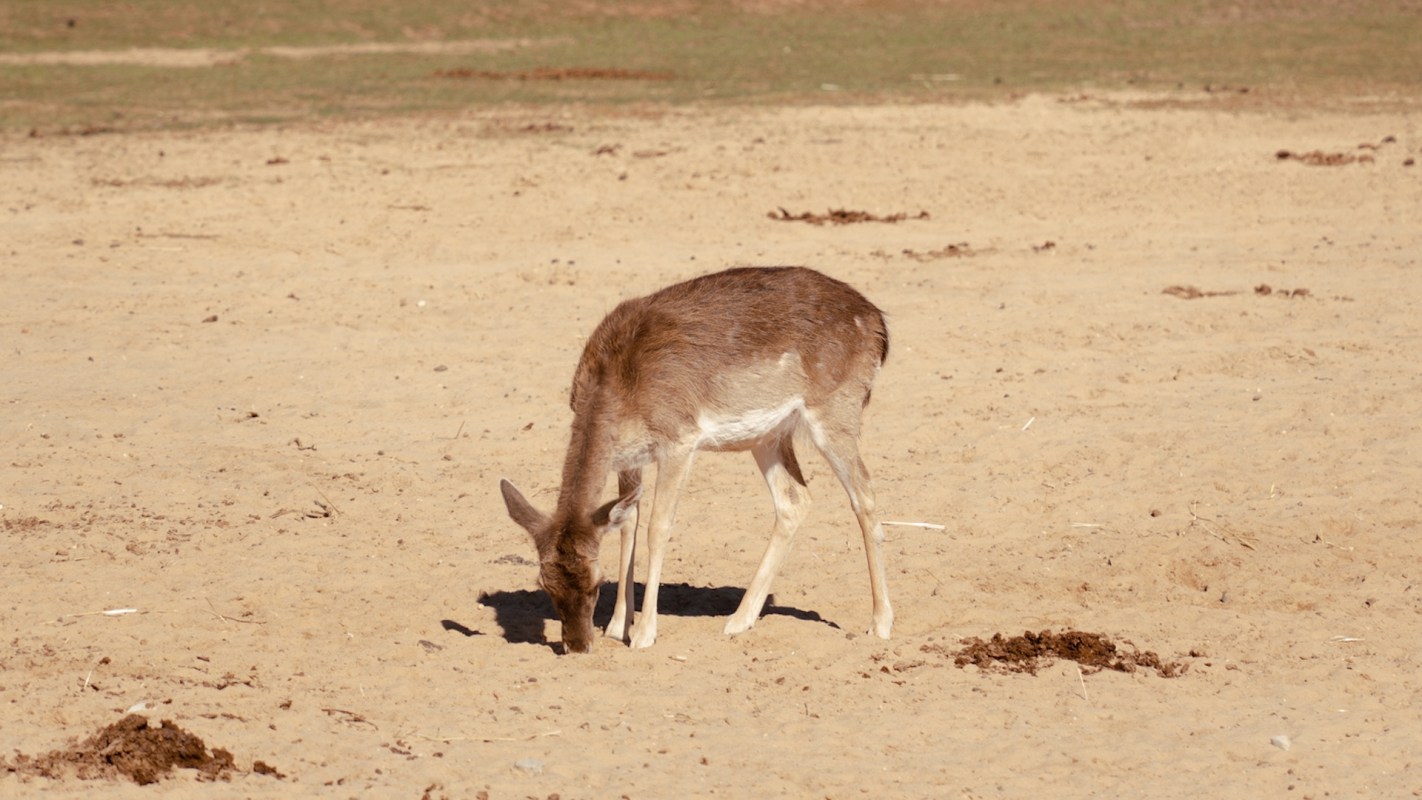
The West's ongoing dry spell is reshaping habitats and placing increasing pressure on wildlife, reducing reliable access to food, water, and hunting grounds.
New research suggests these impacts are not evenly distributed, with predators facing some of the greatest stress as drought conditions disrupt prey availability and ecosystem balance.
What happened?
Research from the University of Michigan, reported by Wyoming Public Radio, points to drought as a pressure that can hit multiple levels of the food chain at the same time.
Drawing on long-term tracking data collected by state agencies across the Mountain West, the researchers examined how drought changed habitat use for mule deer, black bears, and cougars.
After analyzing movement patterns from thousands of collared animals, the team estimated that severe drought reduced highly preferred habitat by about 18% for cougars, 14% for black bears, and 10% for mule deer.
"It seems like the effect of drought on habitat is actually worse the higher up the food chain that you go," Neil Carter, a University of Michigan environment and sustainability professor who led the study, told Wyoming Public Radio. "Cougars lost nearly twice as much suitable habitat as mule deer during those drought years."
TCD Picks » Quince Spotlight
💡These best-sellers from Quince deliver affordable, sustainable luxury for all




Why does it matter?
When drought strips away vegetation and water sources, deer have fewer places to feed and raise their young. Predators, in turn, have fewer prey-rich areas to rely on. That kind of chain reaction can destabilize ecosystems that Western communities also depend on for recreation, tourism, hunting, and healthy landscapes.
The study also found a steep drop in fawn recruitment during the worst drought periods, with the rate down by more than one-third.
In other words, far fewer young deer survived long enough to join the population. That could create ripple effects for years, especially in regions already facing hotter temperatures, erratic precipitation, and increasing pressure on water supplies.
Drought can also make it harder to build more resilient communities by placing added strain on land managers, outdoor economies, and shared natural resources.
Carter warned that the mule deer findings were serious enough to raise concerns for wildlife managers.
"That's population-level concern," Carter told Wyoming Public Radio. "That's alarm-bell-level concern for thinking about the trajectories for deer."
Carter said the research could still help the West prepare for harsher dry spells by identifying and protecting the habitats animals need most when drought tightens its grip.

Get TCD's free newsletters for easy tips, smart advice, and a chance to earn $5,000 toward home upgrades. To see more stories like this one, change your Google preferences here.






