


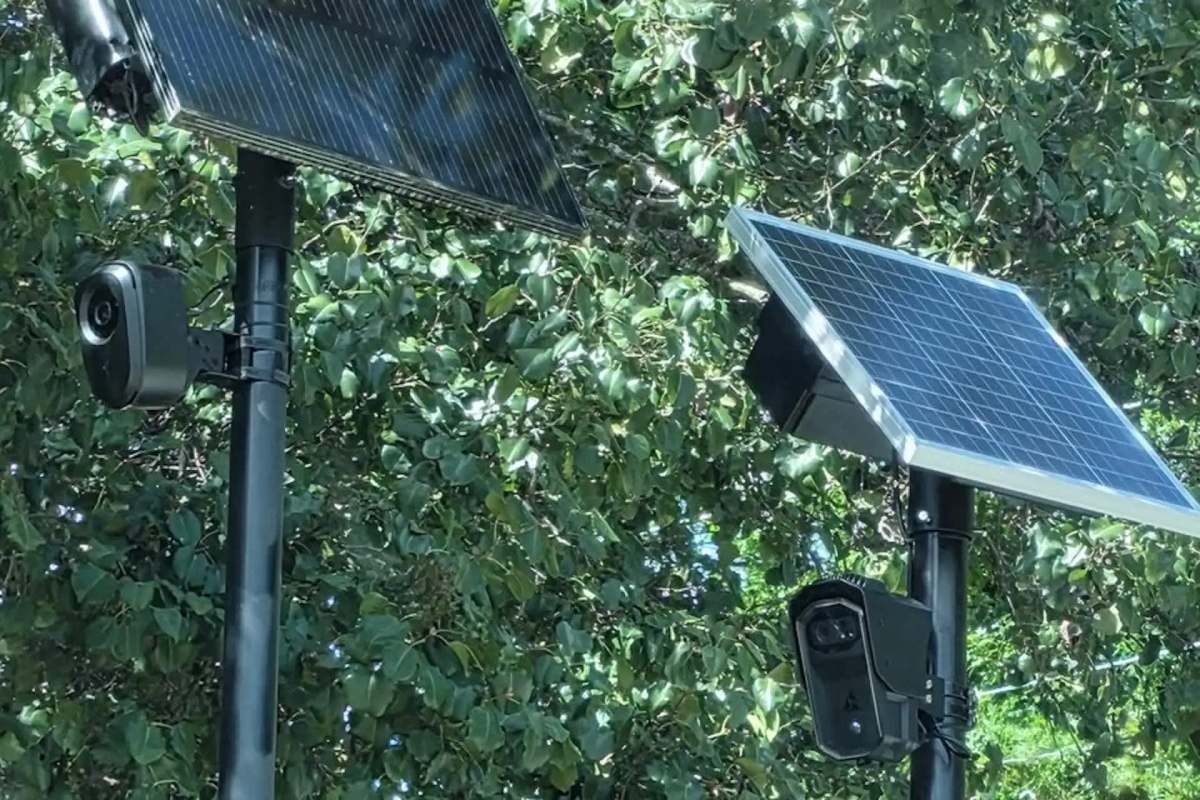
A Massachusetts police department is stepping away from a surveillance tool that has stirred fierce debate in communities across the country.
Douglas Police said they are discontinuing use of Flock Safety cameras after privacy concerns and vandalism turned the technology into a local flashpoint.
Here's what to know
Douglas is part of a growing group of law enforcement agencies that have moved away from the company's AI-powered camera system. Chief Nick Miglionico told Telegram.com that the department's license plate reader network has been shut down.
Miglionico explained to the outlet that, "It's just become so divisive. Our cameras are deactivated and our officers won't be using them anytime soon."
In Douglas, opposition to the cameras had taken two forms: privacy objections from the public and vandalism directed at the installations.
In an August 24 Facebook update from Douglas PD, the department wrote, "The Flock system has been an effective investigative tool for us and has been instrumental in helping us solve several serious crimes. However, given the divisive atmosphere surrounding its use we believe deactivating the system is the appropriate decision at this time."
TCD Picks » Quince Spotlight
💡These best-sellers from Quince deliver affordable, sustainable luxury for all




Several commenters below the post asked whether the deactivation would also include removal of the cameras.
More background
At the center of the issue is not just whether the devices can help solve crimes, but whether everyday drivers should have their movements recorded and stored as they go about ordinary life.
Automated license plate readers are designed to capture images of passing vehicles and log plate numbers, times, and locations. Police say the systems can help track stolen cars and identify suspects.
Critics, however, warn that the same technology can create a broad web of routine monitoring that sweeps up people who are not accused of any crime.
Surveillance systems are often introduced as public-safety upgrades, but they can raise major questions about who controls the data, how long it is stored, who can access it, and whether that information could be misused or shared beyond its original purpose.

Get TCD's free newsletters for easy tips, smart advice, and a chance to earn $5,000 toward home upgrades. To see more stories like this one, change your Google preferences here.






