


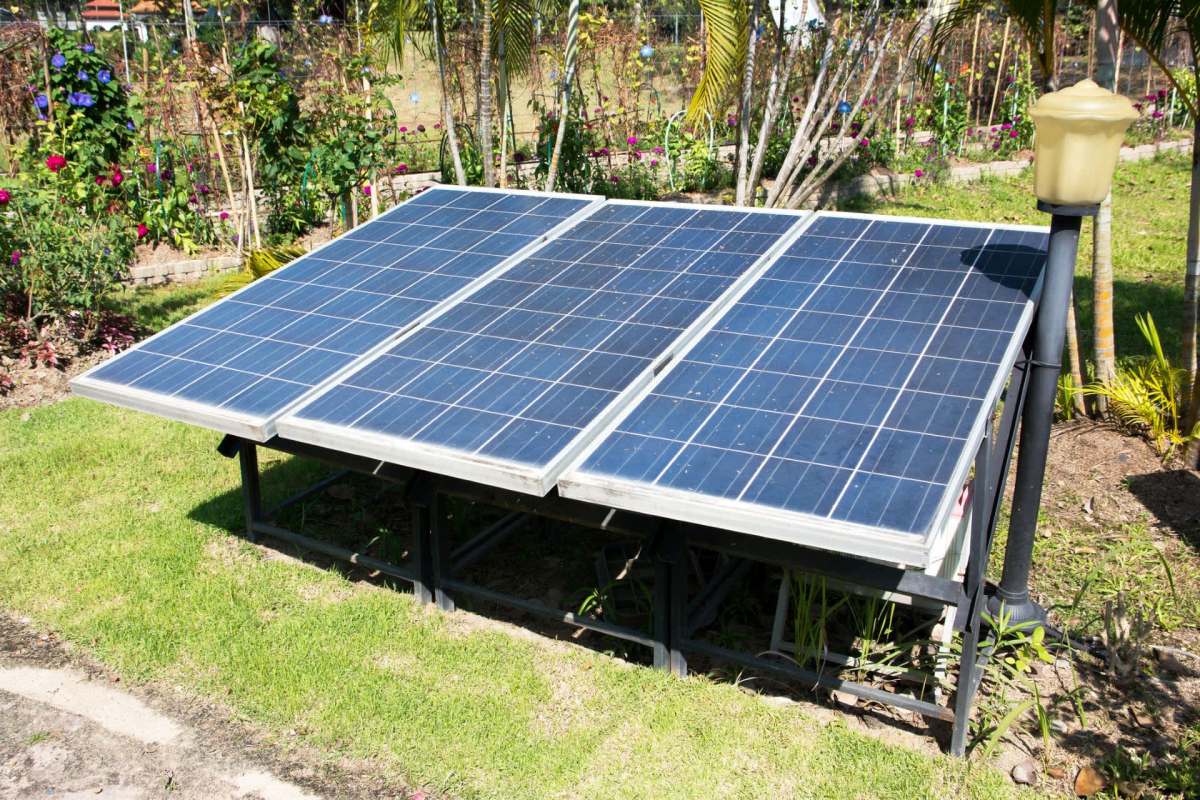
DIY solar has a certain appeal: lower bills, backup power, and the satisfaction of building something yourself.
But for many people, the reality quickly becomes a maze of wiring diagrams, battery settings, fuses, and compatibility issues.
That tension was at the center of a post by a Reddit user who put together a small solar setup. "Everyone complains about wiring, fuses, compatibility, battery settings, [maximum power point tracking], and troubleshooting," they wrote. "Yet we all keep building these systems anyway."
What's happening?
The original poster asked whether solar stays so complicated because there is no easier option or because the building process is part of the appeal.
In the replies, users pointed to safety, customization, and cost.
"There's not really any true standardization," one person said, arguing that most setups are tailored to specific needs.
Another commenter said the complexity is unavoidable — "They're built this way because they have to be" — because electricity is dangerous and requirements vary by power level, location, and intended use.
For homeowners who want the benefits without trial and error, going solar is one of the best ways to save money on home energy. It may be worth exploring EnergySage's free tools.
Save $10,000 on solar panels without even sharing your phone number Want to go solar but not sure who to trust? EnergySage has your back with free and transparent quotes from fully vetted providers that can help you save as much as $10k on installation. To get started, just answer a few questions about your home — no phone number required. Within a day or two, EnergySage will email you the best local options for your needs, and their expert advisers can help you compare quotes and pick a winner. |

Why does it matter?
The exchange points to a barrier for would-be solar adopters: Even when the savings are attractive, the upfront decision-making can feel overwhelming.
Safety requirements, local rules, and household power needs all shape how a system must be built, which explains why one-size-fits-all solutions remain limited.
Price is part of the problem too.
"Cause hybrid inverters are expensive?" one commenter joked.
More From EnergySage
💡Go deep on the latest news and trends shaping the residential solar landscape
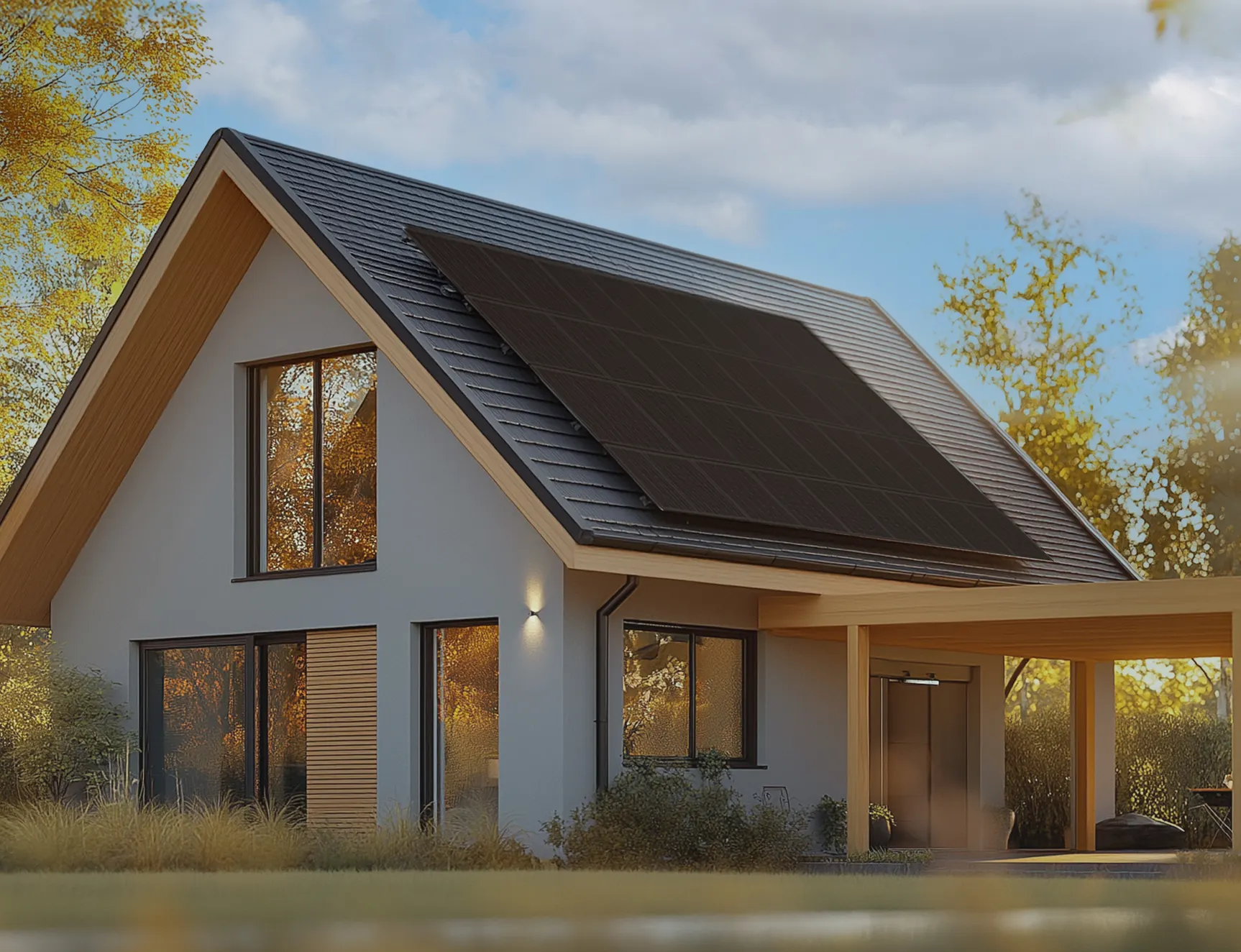
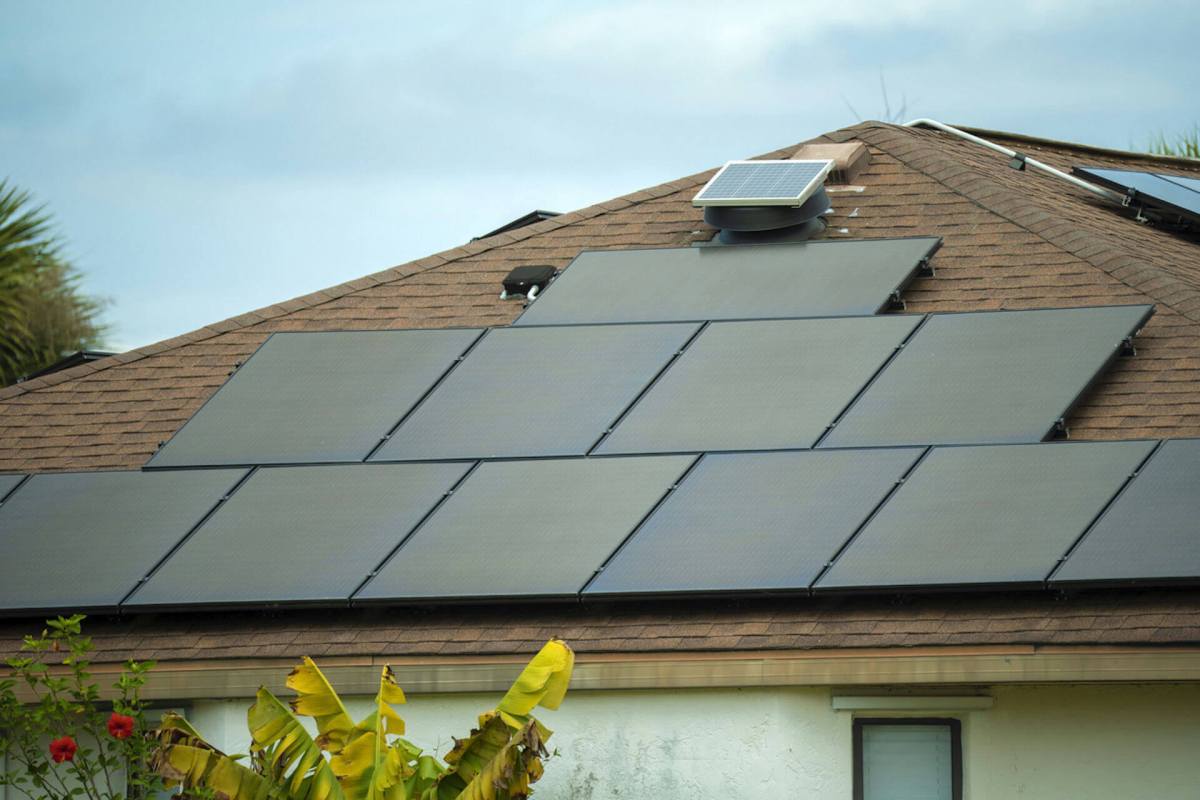

Others said simple, prepackaged systems can be easy to use but that they do not always match every objective and often cost more than a carefully designed custom build.
Not everyone in the thread thought the situation was getting worse.
"Personally, I thought it got much easier with the [all-in-one] inverters and server rack batteries that are priced competitively with DIY batteries," one user wrote.
Simpler systems could make it more realistic for more households to lower utility bills and add resilience without needing expert-level knowledge.
What can I do?
If you're interested in solar but not in assembling every component yourself, EnergySage can help you get there with free tools.
Those services can be especially useful for shoppers hoping to avoid overpaying. Readers can also use EnergySage's solar map. Together, those resources can help you get the best price for rooftop solar panels and access available incentives.
Adding battery storage to a solar setup is one of the best ways to protect your home during outages, save money on energy, and go off-grid.
If you want to understand your options without sorting through every spec sheet alone, you can explore EnergySage's free tools for information about home battery storage options.

Get TCD's free newsletters for easy tips, smart advice, and a chance to earn $5,000 toward home upgrades. To see more stories like this one, change your Google preferences here.






