


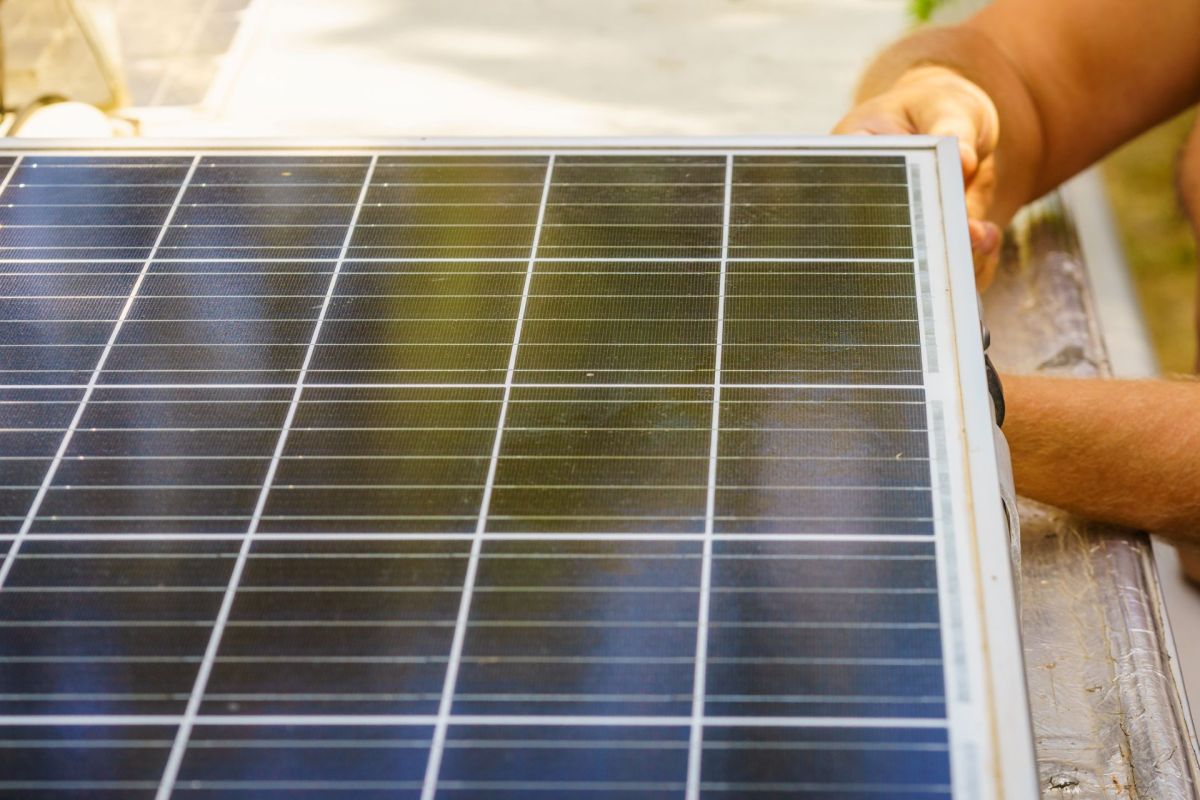
For plenty of DIY solar panel owners, the biggest threat to a strong payback period may not be the weather, utility rates, or even installation costs.
Instead, it might be the temptation to keep tinkering.
Here's what to know
One solar hobbyist took to Reddit's r/Solar DIY forum to ask the community how many others are eager to keep upgrading their solar panel setups.
This original poster wrote, "Waiting for that sweet return on investment or is this a hobby for you?... Always wanting to upgrade?"
Crushed by your bills? See instant solar savings from vetted installers in just a few clicks With energy prices through the roof, there's never been a better time to go solar — and EasyHome can help you find the best prices from the best installers in your area. EasyHome takes the guesswork and headaches out of energy upgrades by showing you estimated savings from a network of vetted local partners. To get started, just enter your ZIP and share a few details about your home — seeing your estimate is really that easy. |

OP added, "[I'm] not talking about YouTubers who get free stuff or get paid to try everything. I want to be the former, but I know I need to stop watching YouTube or I will soon be the latter."
One commenter put it bluntly, writing, "It's addicting. More panels. More inverter. More battery. More dump loads. And repeat." Another added, "Can confirm. There's always something to upgrade."
A user joked, "I feel like I'll end up getting a citation and heavy fines for the inevitable 300 foot wind turbine in my suburban backyard at the current rate of scheming and upscaling."
Another reply highlighted the tradeoff in practical terms. The user said they had put $400 into an 800-watt balcony system and were about three months into what looked like a roughly two-year payback. At the same time, they said that expanding the setup would probably worsen that timeline, even though moving toward a whole-house system still seemed like the logical next step.
For homeowners who want the financial benefits without turning solar into a hobby, going solar is one of the best ways to save money on home energy. It can help to explore EnergySage and compare quotes via its free tools. Those who do save up to $10,000 on installations.
More background
The replies in this thread suggested that, for many people, the urge to upgrade does not go away once a system is up and running.
Solar panels are known to lower utility bills, reduce pollution, and make homes more resilient, but the economics can look very different when owners keep upgrading equipment before the original system has paid for itself.
For many people, tinkering leads to smarter energy use, better backup power, and a deeper understanding of how their homes work. Still, it can also blur the line between a cost-saving project and an expensive pastime.
More From EnergySage
💡Go deep on the latest news and trends shaping the residential solar landscape


Get TCD's free newsletters for easy tips, smart advice, and a chance to earn $5,000 toward home upgrades. To see more stories like this one, change your Google preferences here.






