


A California homeowner is sparking a discussion on Reddit after sharing how a DIY home battery setup helped cut summer electricity bills while avoiding the steep upfront cost of a branded backup system.
According to a post in r/solar, the Reddit user said summer power costs fell to less than $90 after they assembled a battery system for about $6,000 instead of moving forward with a Tesla Powerwall installation quoted at roughly $16,000.
What happened?
The poster said the main issue was California's time-of-use pricing, which was reducing the financial benefit of their solar setup.
"Living in California means getting absolutely hammered by PG&E's peak TOU rates," they wrote. Even with solar, they said they were "exporting my excess daytime production to the grid for pennies and then buying back expensive peak power between 4 p.m. and 9 p.m."
"I looked at a Tesla Powerwall, but the installed price was pushing $16,000, which put the payback past 9 years ... instead I went the DIY route," they added.
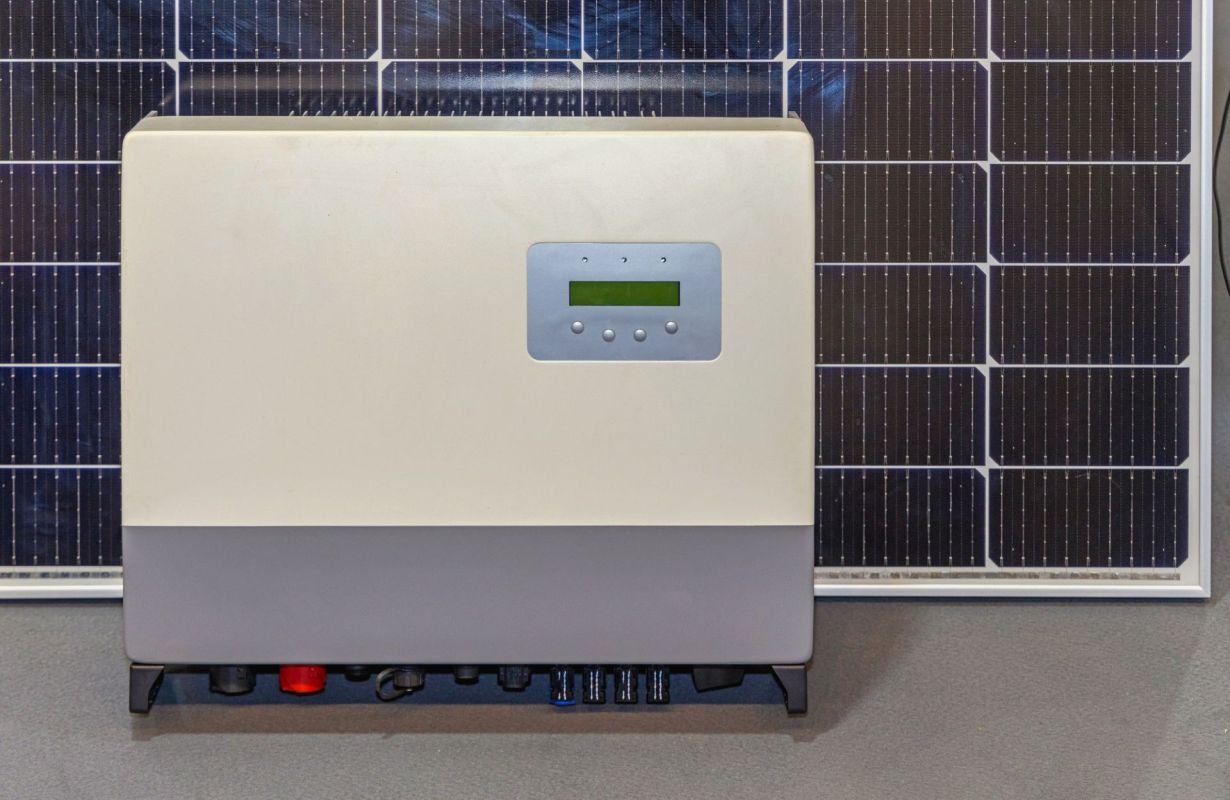
For the project, the homeowner paired a 5-kilowatt Growatt hybrid inverter with a Vatrer Power 51.2V100Ah rack battery and said an electrician handled the final interconnect and critical-loads subpanel.
TCD Picks » Quince Spotlight
💡These best-sellers from Quince deliver affordable, sustainable luxury for all




According to the poster, excess solar energy generated during the day is stored for use during the high-rate evening period, and the full project cost was about $6,000. They said the change cut summer bills from around $280 to under $90.
Why does it matter?
The homeowner said the lower-cost approach should allow the hardware to pay for itself in less than five years, much faster than the branded battery option they had considered.
The post also points to growing frustration with utility pricing structures. When solar households get little for daytime exports but face high evening electricity rates, batteries can make rooftop solar much more practical. That dynamic can also ease strain on the grid during the hours when utilities often rely on costly, polluting peaker plants.
Pairing rooftop solar with storage lets clean energy be used when it is needed most. For people who want the savings of solar without going the DIY route, EnergySage can help you compare quotes from local installers, potentially saving up to $10,000 in the process.
What are people saying?
One commenter wrote, "Australia has been installing over a gigawatt-hour per month of home batteries ... solar power is the fastest path to decarbonization and battery capacity multiplies its value ... these displace gas peaker plants."
Another commenter argued, "People in U.S. have to go DIY because it doesn't make sense to spend $16-20k on a single battery install."
A different user shared a similar experience, saying, "I also have both an off grid and on grid system which were both DIY. My off-grid is also Growatt inverter with 5.12 KWH EG4 Battery … my monthly import from SCE is less than 30 KWH now."
Some commenters said battery setups can be split between outage protection and bill reduction. As one person explained: "Many systems will let you use them as both, they will reserve a certain % of the battery for just back up and another % is free to be used as tou arbitrage."

Get TCD's free newsletters for easy tips, smart advice, and a chance to earn $5,000 toward home upgrades. To see more stories like this one, change your Google preferences here.






