


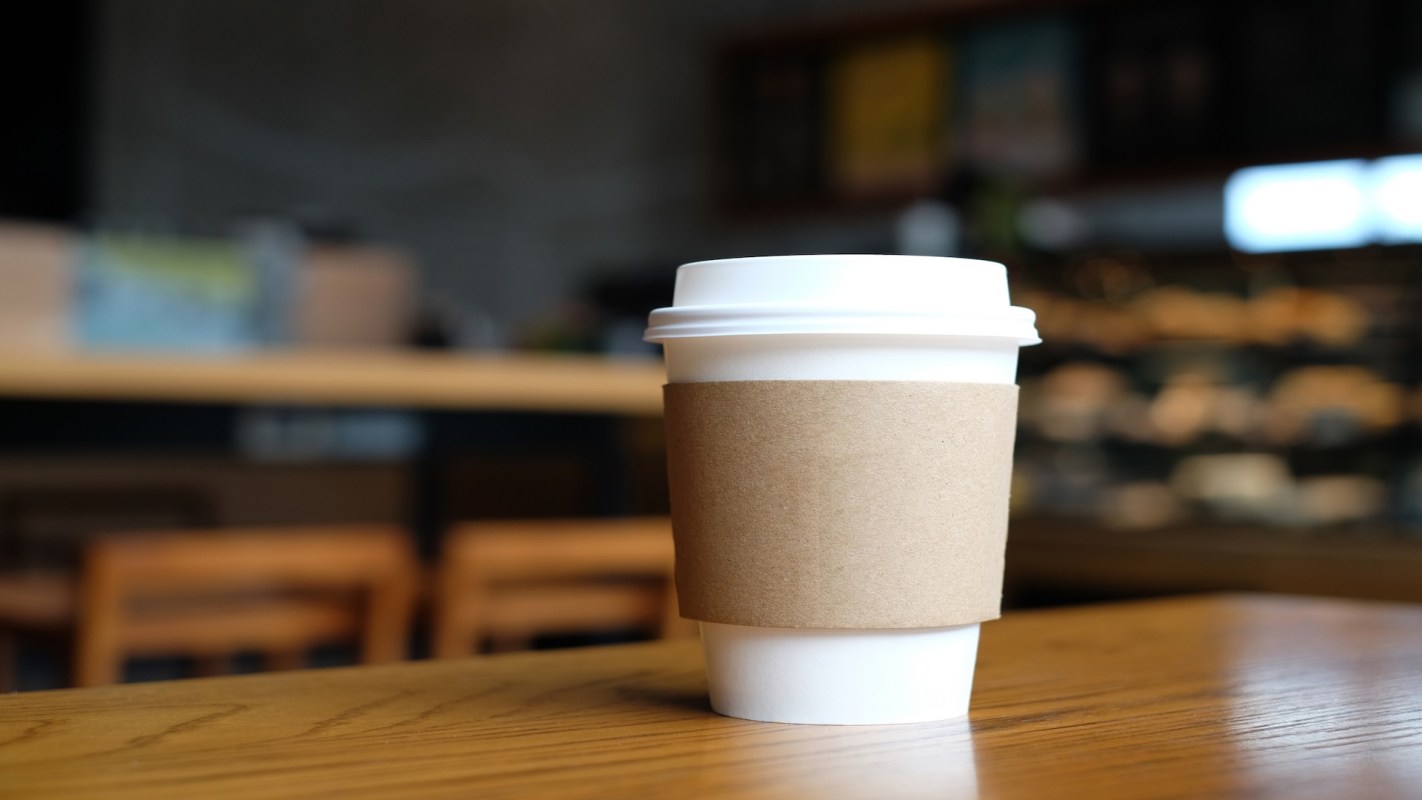
A new policy brief points to confusion in the United Kingdom over disposable-cup fees and the need for a clear nationwide charge for single-use cups.
Here's what to know
Some takeaway drink buyers are paying for a disposable-cup fee without noticing. According to the brief, 92% of customers do not know whether a disposable-cup fee is included when they buy a drink. The document draws on work by the University of Portsmouth's Revolution Plastics Institute team and researchers from the University of Bath, Oxford Brookes University, and the University of Sheffield.
Less than 1% of the roughly 2.5 billion single-use cups used in the U.K. each year are recycled, according to a news release. Researchers say the cups contribute to litter, interfere with recycling systems, and add to waste-management and street-cleaning costs for local authorities and taxpayers.
The researchers combined a field experiment at three university cafes with customer surveys; consumer interviews; and discussions with experts in policy, retail, and behavioral science to understand what encourages people to switch behavior.
More background
Many cafes already offer discounts for reusable cups, but those incentives are not standardized and can be easy to miss. The researchers found that greener purchasing decisions are more likely when the cost of a single-use cup is made explicit.
Showing the cup fee clearly and listing it separately could help customers see what is included in the price of a drink and that the extra cost can be avoided.
TCD Picks » Quince Spotlight
💡These best-sellers from Quince deliver affordable, sustainable luxury for all




The study also highlights confusion about what happens to takeaway cups after use. Many customers believe the cups are being recycled even though that's rarely the case.
What's being done?
The brief calls for a national framework for cup charges that is consistent, visible, and easy to understand. Under that approach, the fee would appear at the point of purchase and be itemized on receipts and in digital orders.
People could avoid the charge by bringing a reusable cup or choosing one for drinks consumed on-site.
The researchers say a nationwide standard could also create the conditions for reuse systems to expand.
Lead researcher Kate Whitman of the Revolution Plastics Institute said the goal is to make the default less wasteful and the better option easier to understand.
"We use millions of disposable cups every year. Customers tend to believe they are recyclable, but the truth is that they very rarely are. While many cafes offer discounts for using reusable cups, these vary between retailers and are often not visible at the point of purchase. The default choice is often a disposable cup, and a clear, memorable charge will help to change that. By giving customers the information they need to save money by using reusable alternatives, we can also reduce harmful waste," she said.
Where can I learn more?
These stories help explain why pressure is growing to cut back on single-use cups.
• In the U.K., tea packs microplastics, and disposable cups add to the total.
• Scientists warn single-use coffee cups may expose drinkers to troubling levels of microplastics.
• At the University of Pittsburgh, using disposable cups may come with hidden health costs.
• Starbucks customers can save money with reusables as refill-friendly programs expand.
• A CBS investigation found Starbucks cups labeled recyclable often still end up as waste.

Get TCD's free newsletters for easy tips, smart advice, and a chance to earn $5,000 toward home upgrades. To see more stories like this one, change your Google preferences here.






