


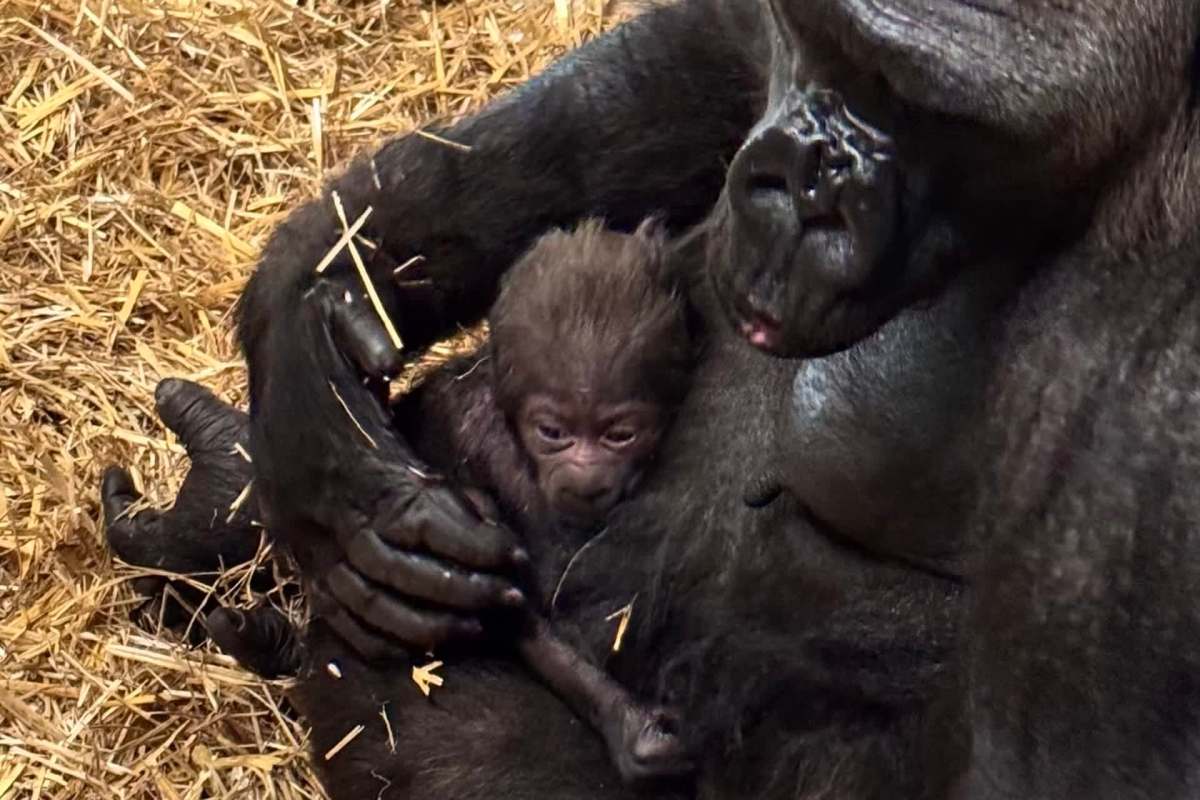
The Detroit Zoo just welcomed a baby western lowland gorilla.
The newborn is only the second gorilla born in the zoo's history, and the birth served as an encouraging milestone for conservationists and local animal lovers.
Detroit Zoo staff celebrated the arrival of the new western lowland gorilla, a notably rare event.
What happened?
The baby gorilla was born to "first-time mom Tulivu and silverback Mshindi," according to the facility, representing an important development for both the Detroit Zoo's gorilla troop and a species under serious pressure in the wild.
Eastern and western lowland gorillas are listed as "critically endangered" on the International Union for Conservation of Nature's Red List.
For the time being, the infant has not been named, nor has the baby been available for visitors to view yet.
TCD Picks » Quince Spotlight
💡These best-sellers from Quince deliver affordable, sustainable luxury for all




The zoo said Tulivu and her newborn are spending their first days together away from public view while animal care and veterinary staff monitor them closely, as reported by WNEM.
Zoo officials emphasized that the birth was a meaningful advance within the Gorilla Species Survival Plan, a conservation effort aimed at protecting western lowland gorillas and supporting healthy populations in human care.
Why is this such good news?
Because western lowland gorillas are critically endangered, every healthy birth among the species is a step toward stronger population numbers.
While managed breeding programs are not a substitute for protecting animals in the wild, they can help preserve genetic diversity and support conservation goals for at-risk species.
Successful western lowland gorilla births can aid broader efforts to study gorilla health, behavior, and development.
At the same time, good news about the species helps keep public attention focused on the threats gorillas face outside zoos and in their natural habitats.
The birth also underscored the role that public institutions focused on animal welfare and species protection play in global conservation.
What happens now?
At the moment, the Detroit Zoo indicated its focus is on the basics needed to keep the new baby gorilla healthy: bonding, rest, and monitoring.
Tulivu and her baby have been given time to bond while staff follows their progress through the infant's earliest and most vulnerable days.
The Gorilla Species Survival Plan helps accredited zoos coordinate breeding decisions to support the health and sustainability of the overall population in human care.
"Tulivu and her baby are doing well, with mom already showing incredible maternal care as the little one reaches important early milestones," the Detroit Zoo said in a Facebook post.
"They'll be spending a few quiet days bonding behind the scenes while animal care and veterinary teams keep a close eye on the growing family. She won't be viewable to guests just yet, but we'll let you know as soon as that changes."

Get TCD's free newsletters for easy tips, smart advice, and a chance to earn $5,000 toward home upgrades. To see more stories like this one, change your Google preferences here.






