


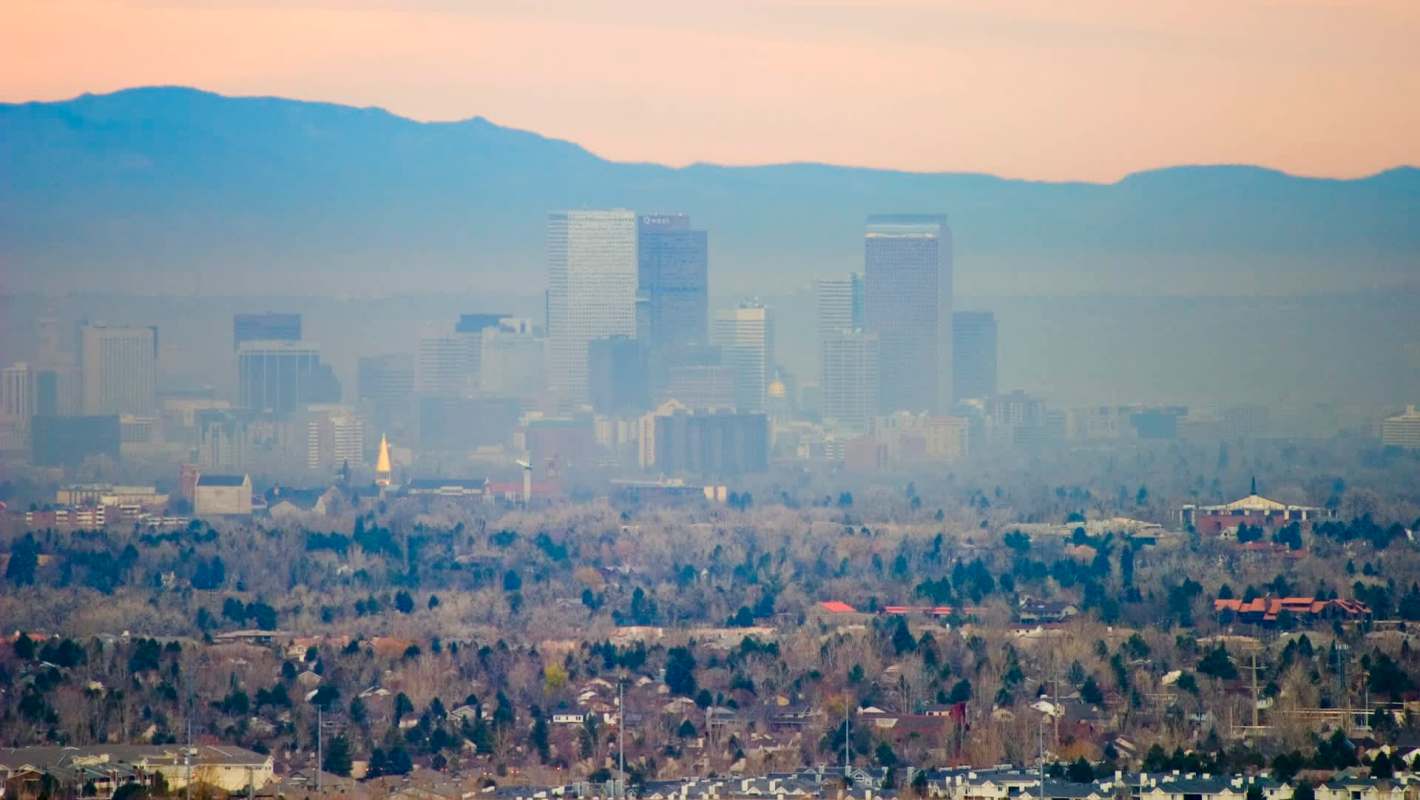
Denver's summer air has delivered another warning sign, as ozone pollution in the metro area was severe enough to rank among the region's worst seasons in roughly 30 years.
The development matters far beyond a daily weather report, as it could lead to a tougher federal air-quality classification that would put more pressure on state and local officials to cut pollution more quickly.
Here's what to know
Metro Denver and the northern Front Range logged 66 days this summer when ozone pollution exceeded federal standards, according to the Regional Air Quality Council, a quasi-governmental agency focused on the state's air pollution problem, the Denver Post reported. That ties 2012 for the second-worst count since the group began collecting data in 1995. Only 2021, with 67 high ozone days, was worse.
Ground-level ozone is not emitted directly. It forms when nitrogen oxides and volatile organic compounds react in sunlight, which makes hot, sunny days especially dangerous.
Ozone pollution is a public health issue, not just an environmental one. Breathing elevated ozone levels can irritate the lungs, worsen asthma, and make it harder for some people to exercise or work safely outdoors.
"The health burden of air pollution is not evenly shared among us," said Nick Torres, advocacy director for the American Lung Association of Colorado. "But some people are more at risk of illness and even death from their exposure."
TCD Picks » Quince Spotlight
💡These best-sellers from Quince deliver affordable, sustainable luxury for all




More background
The poor air quality could push the region's status to an "extreme" failure under the Clean Air Act, a downgrade that would raise fees on industrial polluters to help pay for cleanup efforts. School sports schedules may need to be adjusted, outdoor workers can face greater exposure, and families with children, older adults, or people with asthma may need to watch air-quality forecasts more carefully.
More than 400,000 people in the Denver metro area live with asthma, and another 200,000 have cardiovascular disease. Both groups face added risk on high-ozone days, Torres said.
"This summer has been a stark reminder that we have a homegrown air pollution problem that's not going away on its own," said Kirsten Schatz, an advocate for the CoPIRG Foundation. "Our state leaders need to use all the solutions available to ensure our air is safe to breathe."
Check the air-quality index before exercising outside, cut back on heavy outdoor exertion on high-ozone days, keep rescue inhalers nearby if prescribed, and reduce driving or idling when possible.
Where can I learn more?
Ozone pollution is getting worse in Colorado and across the country as heat, wildfire smoke, and shifting weather patterns push air quality in the wrong direction. These stories look at Colorado's regulatory challenges, the nationwide health toll of wildfire-driven ozone, and air-quality alerts from Milwaukee to the eastern U.S.
• Colorado officials face a tough ozone hurdle as EPA pressure grows along the Front Range.
• Across the U.S., wildfire-fueled ozone pollution is driving premature deaths and deepening health risks.
• Heat waves and wildfires are erasing air-quality gains across the United States.
• Across 11 Eastern states, dangerous smoke and ozone forced millions indoors under air-quality alerts.
• In Milwaukee, a rare weather pattern trapped ground-level ozone where residents breathe.

Get TCD's free newsletters for easy tips, smart advice, and a chance to earn $5,000 toward home upgrades. To see more stories like this one, change your Google preferences here.






