


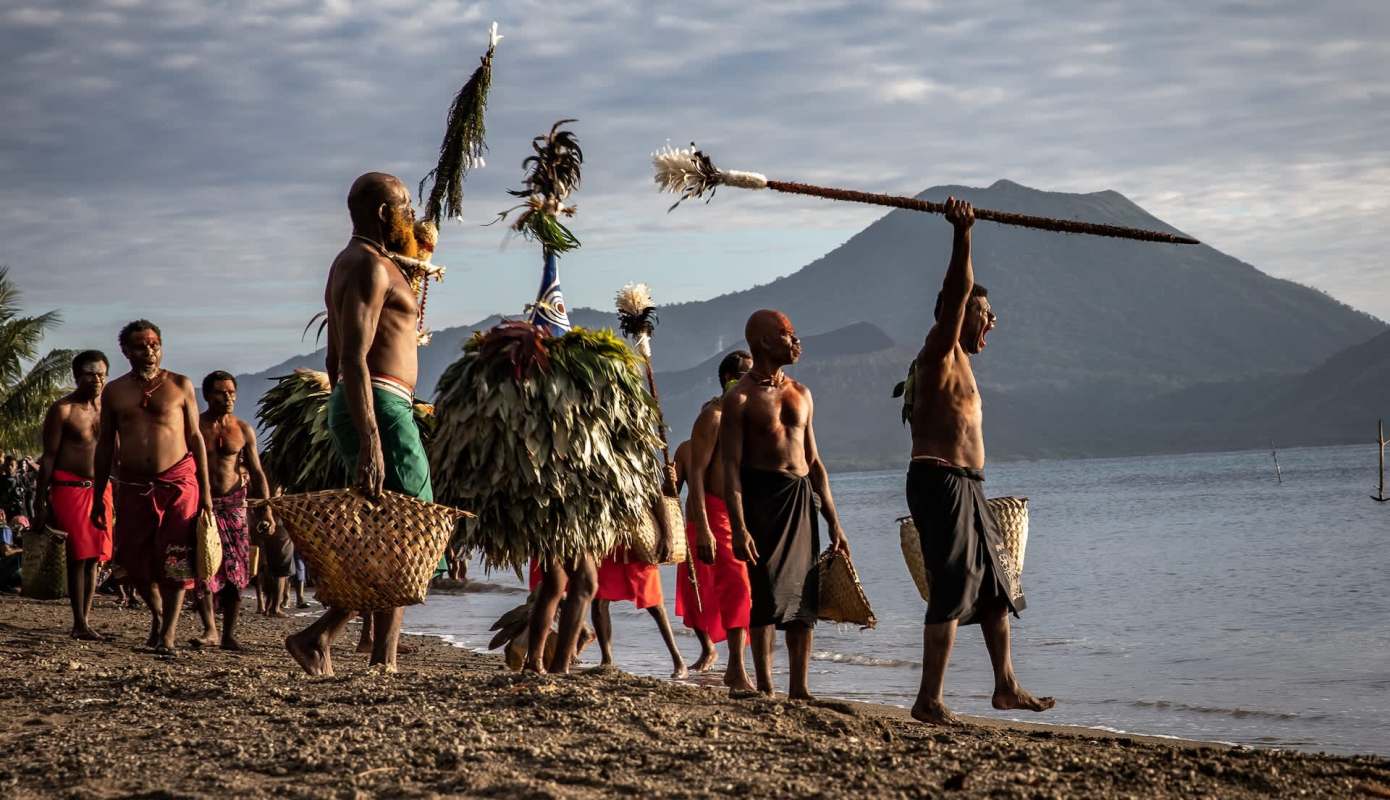
In parts of Near Oceania north of Australia, DNA inherited from Denisovans appears to still influence immune activity today, according to a Yale-led study that offers a new window into how people in the region adapted to viruses and bacteria.
As reported by EurekAlert, the work also adds to genomic research on populations in Oceania that have long been missing from many global datasets.
What happened?
To investigate, the researchers sequenced genomes from 177 individuals representing 12 populations in Near Oceania, including Papua New Guinea, the Solomon Islands, and the Bismarck Archipelago, then compared those data with 1,284 genomes that had already been published from elsewhere in the world.
From those comparisons, the team found signs that the ancestors of Near Oceanic populations mixed with three distinct Denisovan-related groups, all linked to the extinct hominin lineage.
To examine what those inherited sequences do in the present day, the researchers ran a "massively parallel reporter assay," which identified more than 3,100 variants that change gene expression.
The results pointed to numerous variants affecting the interferon-gamma signaling pathway, an important part of the body's defense against infection.
TCD Picks » Quince Spotlight
💡These best-sellers from Quince deliver affordable, sustainable luxury for all




The study also identified Denisovan-associated changes in TRPS1, a gene involved in skeletal development.
As lead author Serena Tucci put it: "The drastic underrepresentation of Oceanians limits our understanding of human evolution and could exacerbate health inequalities as genomic research is used to develop novel medical treatments."
Why does it matter?
Rather than simply showing that Denisovan DNA persists in modern humans, the study indicates that this inherited material is still biologically active and may have helped people who moved into the South Pacific tens of thousands of years ago cope with unfamiliar pathogens.
"Previous studies showed that DNA inherited from extinct hominins, such as Neanderthals and Denisovans, survives, scattered, in the genomes of present-day human populations," Tucci said, per EurekAlert. "With this study, we have moved beyond simply 'resurrecting' this DNA to showing how it actively turns genes on and off, which is game-changing."
As genetic research plays a larger role in drug development, disease-risk screening, and other medical tools, populations left out of these datasets can also be excluded from the benefits.
While this study is not expected to change everyday medical guidance overnight, it helps build a stronger foundation for future treatments and a fuller understanding of how human immune systems evolved.
What are people saying?
Researchers said the immune findings are particularly notable.
"Pathogens are one of the strongest selective pressures — environmental factors that affect our ability to survive — throughout human evolution," first author Patrick Reilly said, per EurekAlert.
"We find evidence that genes inherited from Denisovans bolstered immunity to viruses and bacteria ancient humans encountered in Near Oceania," he added.
Tucci also emphasized the broader human story behind the findings: "While Denisovans vanished from the Earth thousands of years ago, this research proves that our histories remain deeply intertwined."

Get TCD's free newsletters for easy tips, smart advice, and a chance to earn $5,000 toward home upgrades. To see more stories like this one, change your Google preferences here.






