


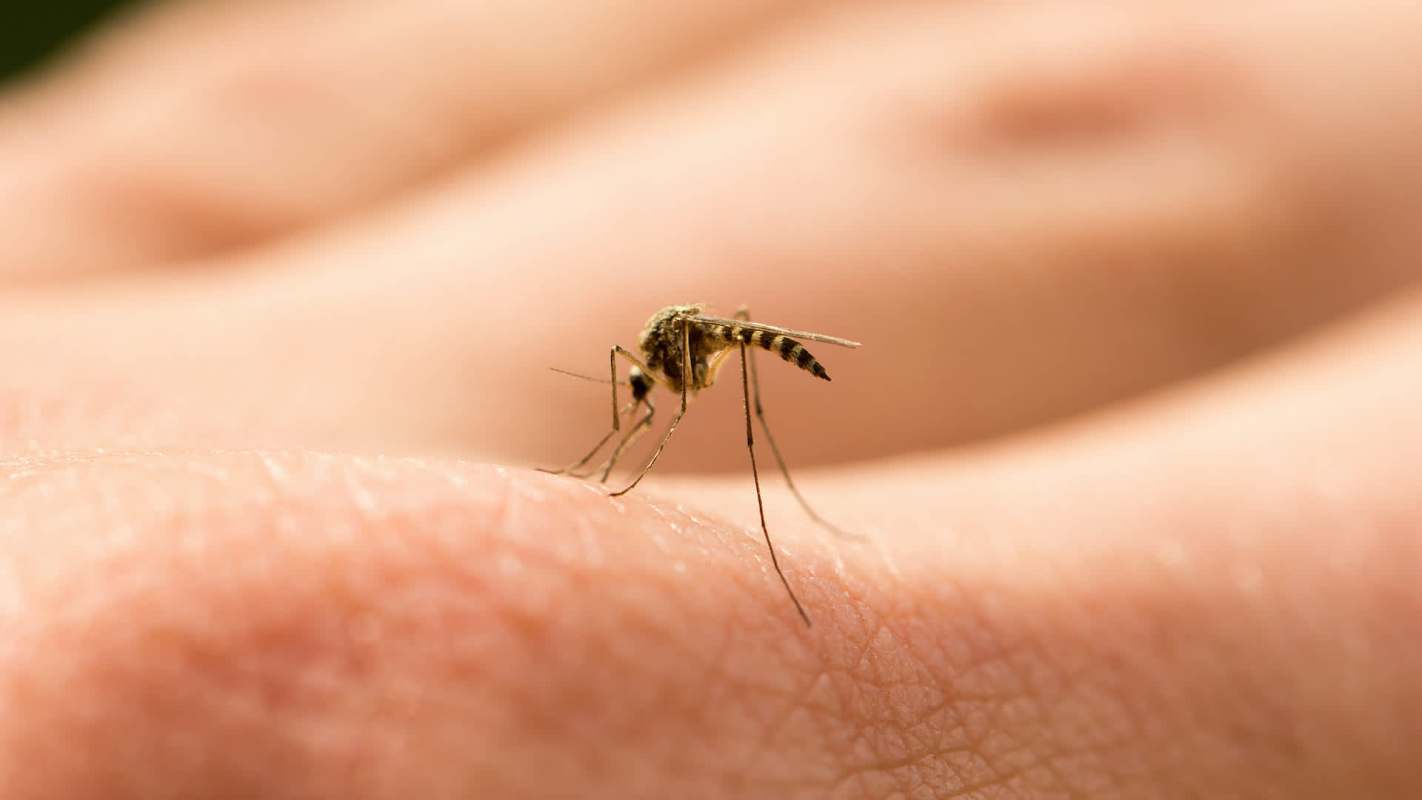
Hillsborough County is in the middle of what WUSF calls Florida's biggest dengue surge in decades.
Carla Fry of the Florida Department of Health in Hillsborough County said unnoticed infections and a mosquito boom after August's heavy rain are driving the outbreak.
Here's what to know
Hillsborough had logged 223 confirmed cases by September 26, more than seven times as many as the rest of Florida's counties combined, according to WUSF. Those cases are largely locally acquired, meaning people were infected by mosquitoes in Florida rather than during travel.
Peter Jiang, head of mosquito control for Hillsborough County, told WUSF that the weather swing created ideal breeding conditions for mosquito numbers to jump.
"Once you have this daily rainfall, then all the containers pretty much fill up with rain water every day," Jiang said. "That's why our mosquito population increased significantly for the month of August."
Aedes aegypti, the invasive mosquito that spreads the virus, tends to breed in small, water-filled containers around homes. Because these mosquitoes stay close to people rather than in marsh habitats, they can help dengue spread quickly through neighborhoods once local transmission starts.
TCD Picks » Quince Spotlight
💡These best-sellers from Quince deliver affordable, sustainable luxury for all




Fry told WUSF that one of the biggest challenges is how often dengue infections produce few or no symptoms.
"We have so many folks who are walking around who have dengue. They're pretty much asymptomatic. They don't even know that they have it," Fry explained. "Then when they're bitten by a mosquito, that mosquito takes in a blood meal and after about seven days, when that mosquito bites another person, they are transmitting dengue to someone else."
More background
Even with occasional flare-ups, dengue has usually remained relatively uncommon in Florida. Florida has typically recorded fewer than 50 dengue cases a year, according to WUSF, partly because of expanded mosquito control programs.
The increase escalated quickly. Counties had begun reporting locally transmitted infections, and Hillsborough alone reached 152 cases, according to Florida Department of Health records.
Hillsborough is not the only county dealing with local spread. Broward County reported its first locally transmitted case, while Miami-Dade has recorded eight and Palm Beach County one, WUSF reported. No such cases have been detected in the Keys.
Fatalities tied to the outbreak appear limited to one case. An 80-year-old Tampa woman died of dengue-related complications, according to WUSF; no other deaths have been linked to the outbreak.
Because dengue can spread before people feel sick, or without symptoms at all, officials rely on surveillance, mosquito spraying, and neighborhood inspections to interrupt transmission.
What's being done?
Mosquito control districts across multiple counties are working together. Lee County deployed three helicopters to help Hillsborough spray, said Aaron Lloyd, director of its mosquito control program, and neighboring districts are sharing staff and equipment to slow the outbreak.
Crews have also been checking properties and urging residents to empty or cover outdoor containers that collect water, since Aedes aegypti breed close to homes.
Winter weather is another concern for officials. Adriane Rogers, director of the Pasco County Mosquito Control District, warned that an unusually wet winter tied to El Niño could keep mosquito production elevated rather than allowing the normal seasonal slowdown.
Response efforts also depend on funding and future revenue. The Centers for Disease Control said it is sending $800,000 to aid the response, though Fry said the money had not arrived. Mosquito control districts have also warned that Florida ballot measure Amendment 3 could reduce the property tax revenue that helps fund their operations.
"We have over 18 ZIP codes with dengue positive cases, right? So this is not just a problem in the urban core," Fry noted. "This is a problem throughout our county. It's beyond our county. It's in Pinellas, it's in Pasco. You know, so we're not seeing it just in one place."
Where can I learn more?
For a closer look at how dengue is unfolding beyond Hillsborough County, these stories cover emergency declarations, locally transmitted U.S. cases, and rising concern in other regions.
• Puerto Rico officials declared a public health emergency after 549 dengue cases signaled a widening outbreak.
• In Baldwin Park, officials confirmed the state's third-ever local dengue case as U.S. counts rose.
• In California, officials launched sweeping measures to intervene after a first locally acquired dengue case.
• Across Europe, health officials warned of a significant increase in dengue cases and spread.
• Across the Pacific Islands, experts sounded the alarm about a troubling dengue outbreak.

Get TCD's free newsletters for easy tips, smart advice, and a chance to earn $5,000 toward home upgrades. To see more stories like this one, change your Google preferences here.






