


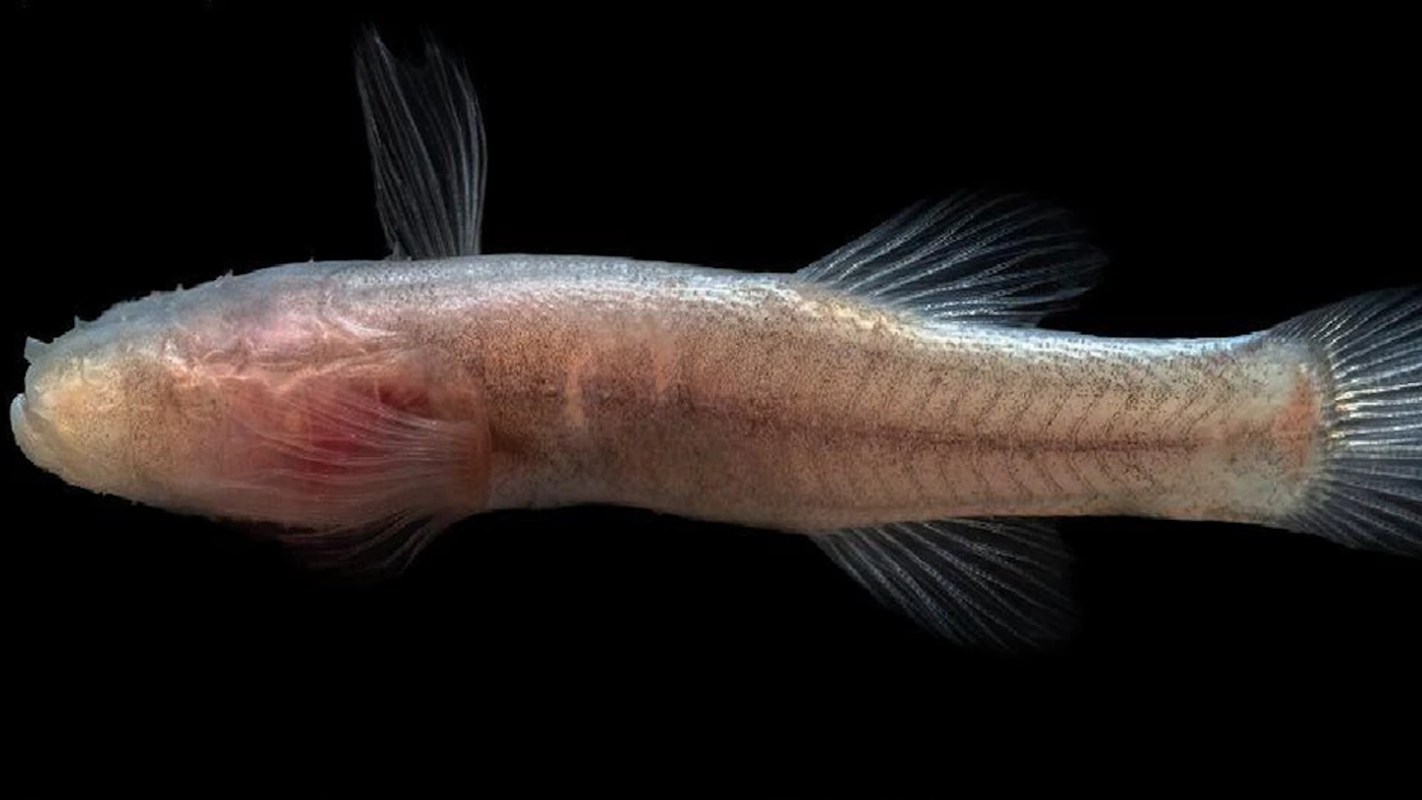
Scientists studying a cave in northern Alabama long known as a refuge for one of the nation's rarest shrimp have uncovered a second remarkable inhabitant: an eyeless, nearly colorless fish so distinct that researchers placed it in a genus of its own.
What happened?
According to a report from Popular Science, for decades, researchers have gone into Bobcat Cave in Huntsville to track the Alabama cave shrimp, an extremely endangered freshwater crustacean known only to inhabit a narrow set of cave systems in Alabama and Tennessee. The limestone cave itself is a tight, muddy maze of low passageways and water-filled tunnels.
Now, in a new study published in Scientific Reports, Auburn University biologists reported that the cave also contains Demogorgonichthys arcanus, or the demon cavefish — a pale, sightless species less than 2 inches long.
Jonathan Armbruster, a study co-author and curator of fishes at the Auburn University Museum of Natural History, told Popular Science the discovery was unusual compared with the way scientists typically identify new species.
"Most of the time when we discover new species, we are finding differences within organisms we already knew were there," Armbruster told the outlet. "This was different. This was a new discovery that had not been seen before, and that is really rare."
The fish is related to southern cavefish and Alabama cavefish, but researchers found major differences in its body shape, snout, and genetics.
TCD Picks » Quince Spotlight
💡These best-sellers from Quince deliver affordable, sustainable luxury for all




"Part of the rhodopsin gene is missing, so it is no longer functional," Armbruster explained to Popular Science, which helps explain why the species appears to show no response to light.
Why does it matter?
The discovery of a previously unknown fish in a cave studied for nearly 40 years shows just how much remains hidden in vulnerable ecosystems — even in places scientists think they know well.
Popular Science reported that researchers have so far observed only about 20 demon cavefish at once, which could make it one of the rarest fish on Earth.
While the Demogorgon is the name of the monstrous villain in Netflix's Stranger Things, Popular Science noted that the name actually traces back to ancient mythology.
Pamela Hart named the creature after keeping a long-running list of mythological creatures for inspiration.
Cave systems are closely connected to groundwater, and healthy groundwater is important for human communities as well. Protecting delicate underground habitats can also mean protecting water resources from pollution and other damage.
Rare species such as the Alabama cave shrimp and demon cavefish also serve as reminders that once a specialized habitat is disturbed, the loss may be irreversible. Their survival depends on stable water quality and intact cave environments.
Scientists are continuing to monitor Bobcat Cave and are using the new discovery to strengthen the case for conservation in the region's subterranean ecosystems, Popular Science reported.
Because the fish is genetically distinct enough to warrant its own genus, the study gives conservationists fresh evidence that this habitat is exceptionally important.

Get TCD's free newsletters for easy tips, smart advice, and a chance to earn $5,000 toward home upgrades. To see more stories like this one, change your Google preferences here.







