A researcher's revelation about deer antlers sounds almost impossible.
In some deer, damage from an earlier antler injury appears to show up again in the same place on later antlers, even though the animals shed those antlers every year.
What happened?
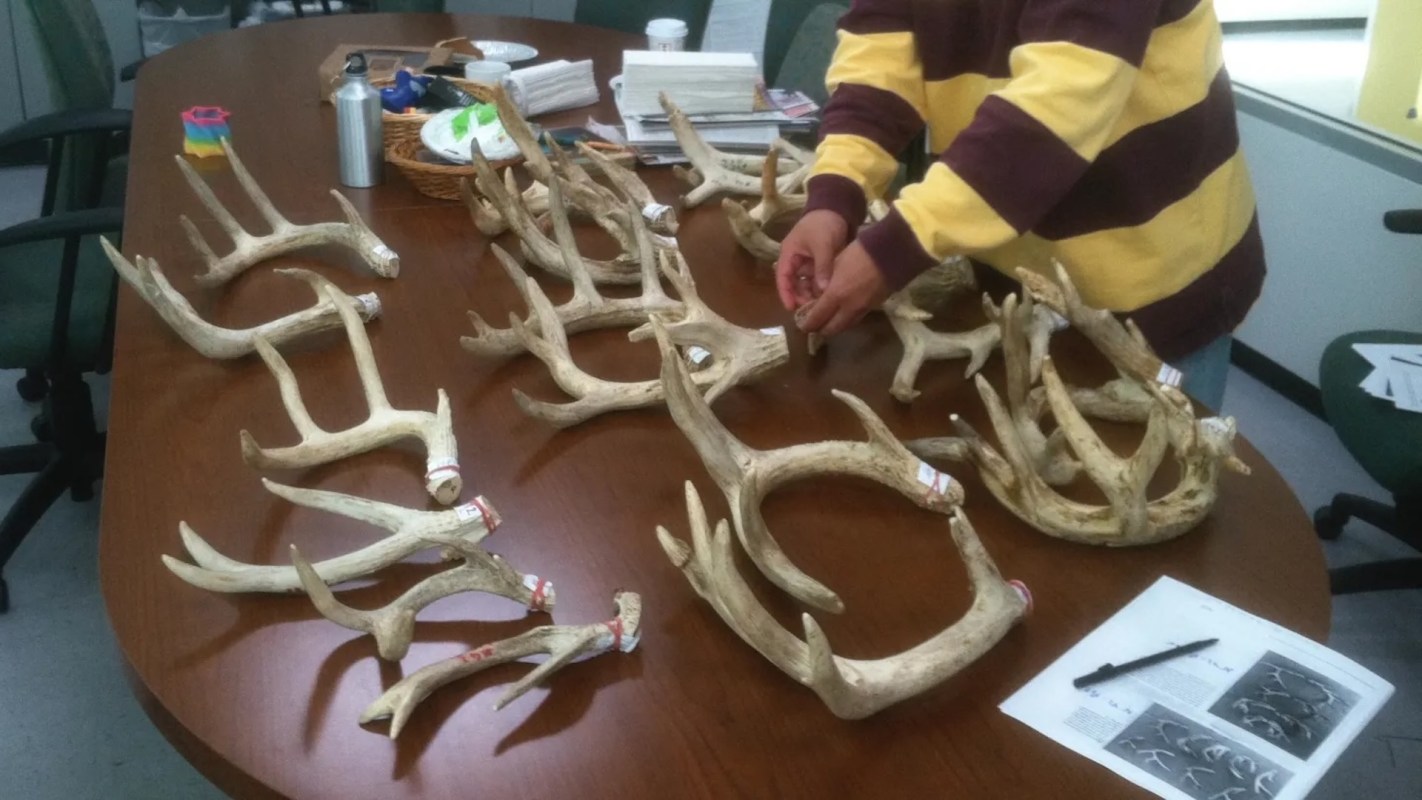
A post by Dr. Michael Levin on his blog centers on unusual scientific specimens in a remarkable antler collection gathered over many years by the father-and-son researchers Anthony B. Bubenik and George A. Bubenik.
According to Dr. Levin, the scientists' exhaustive gathering showed that when one area of a deer's antler was damaged, the next rack could grow an extra tine (branch) in that exact same spot.
Dr. Levin called the collection "some truly unique material, which will likely never be made again." He added, "What the Bubeniks discovered is even more profound: trophic memory."
Even after the original antler was shed, the deer's body seemed able to recreate the same injury pattern in the replacement, Dr. Levin uncovered.
TCD Picks » Quince Spotlight
💡These best-sellers from Quince deliver affordable, sustainable luxury for all




That finding is even more striking because antlers are already one of nature's clearest examples of regeneration. The post says deer regrow bone, blood vessels, nerves, and skin, with antlers growing at roughly 1 to 1.5 centimeters (~0.4-0.6 inches) a day.
Why does it matter?
If a mammal can store a memory of damage and reuse that information while rebuilding a complex structure, it could reshape how scientists think about healing and regeneration.
Dr. Levin's own research found a similar type of trophic memory in types of worms, which was met with initial skepticism from some researchers, he noted in the post.
The author also explained why the collection is so valuable. Each case depended on years of following individual deer before and after an antler injury, and painstakingly gathering their shed antlers.
That leaves the antlers as a rare record of long-term, painstaking science that would be difficult and expensive to reproduce today.
What are people saying?
Dr. Levin called the deer work "one of my favorite examples" for teaching developmental biology.
"Amazingly, almost no one talks, teaches, or writes about it," he added.
Commenters agreed that the work was remarkable food for thought.
"What a cool story!" a reader exclaimed. "The antler growth is a really interesting example of trophic memory."
"Amazing," one reacted. "I think our understanding of evolution, natural selection and morphology is changing, and the understanding is evolving far beyond a crude idea of 'DNA encodes genes.'"
"Perhaps the brain holds an image of the antler (along with the rest of the body) with the pains from its injury and other sensations that persists and/or duplicated for future antlers," a user theorized.

Get TCD's free newsletters for easy tips, smart advice, and a chance to earn $5,000 toward home upgrades. To see more stories like this one, change your Google preferences here.