


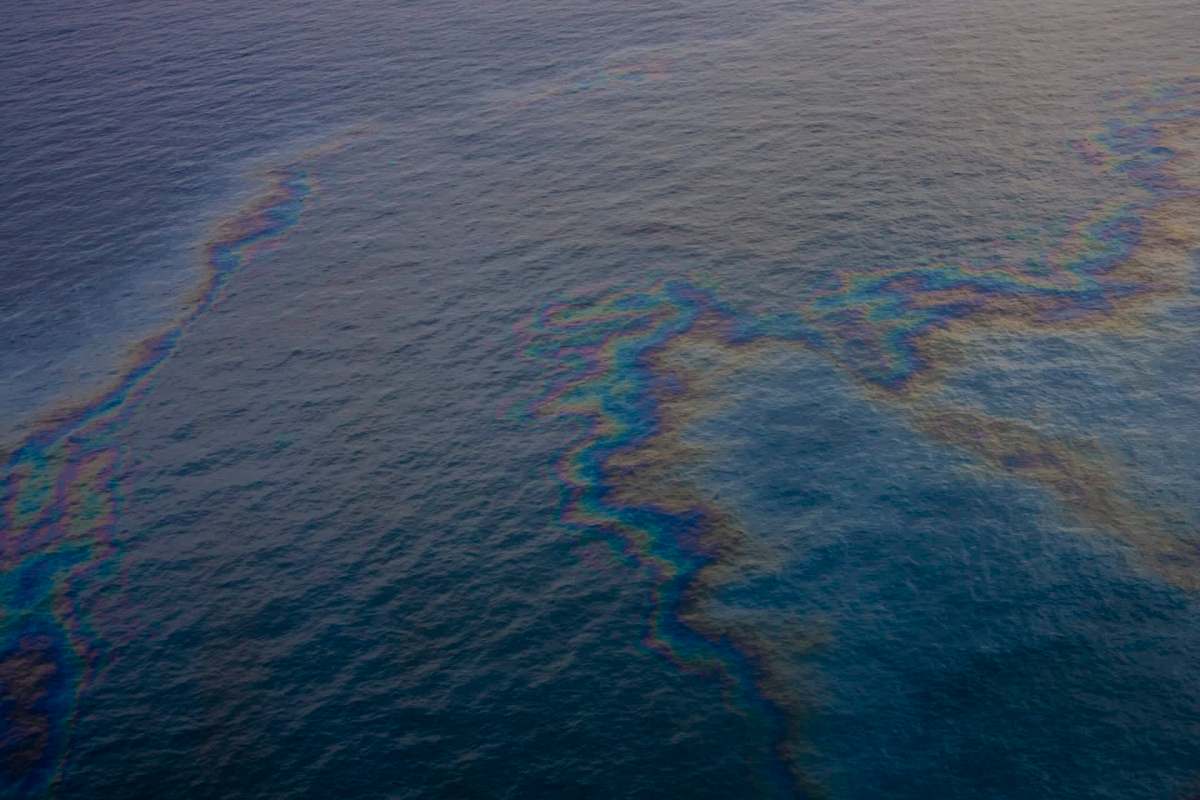
A new study suggests the Deepwater Horizon disaster caused far more lasting damage beneath the Gulf of Mexico's surface than many realized, according to The Independent.
Researchers found that animal abundance in the Gulf's deep-ocean "twilight zone" fell 60% after the 2010 BP spill, and the ecosystem still has not shown a meaningful rebound.
Here's what to know
The PNAS study showed that in the Gulf's deep midwater near the well blowout that released 134 million gallons of oil, fish declined 63.5% from 2011 to 2015, The Independent noted.
Crustaceans such as shrimp and krill dropped 62%, while squid and octopuses dropped 59.7%.
The researchers concentrated on the twilight zone, a vast band of water above the seafloor where small animals feed dolphins, whales, and other predators higher in the food chain.
In 2011, they surveyed water from the surface to 5,000 feet deep with acoustic sonar and six nets deployed at different depths, per The Independent.
TCD Picks » Quince Spotlight
💡These best-sellers from Quince deliver affordable, sustainable luxury for all




When they returned to the same area three-and-a-half years later and repeated the approach, they found marine life had fallen to one-quarter to one-third of its 2011 level.
The team kept sampling through 2015 and beyond.
Lead author Tracey Sutton, a biological oceanographer at Nova Southeastern University, said that the small increases observed in 2022 and 2023 were not statistically significant.
"We saw this big decline. The question was then why?" Sutton said, per The Independent. "So we looked at all of the natural variables we thought could account for it, namely temperature, oxygen supply, and food. None of those vary with the decline. The event that did was the oil spill. So we think that's the most likely cause of the decline."
More background
The Deepwater Horizon blast killed 11 workers, and oil continued flowing into the Gulf for almost five months.
The researchers also used genetic testing, which showed lower genetic diversity caused by inbreeding.
Many of the hardest-hit animals are key prey species. Krill were down 72%, lanternfish were at one-third of their previous numbers, and deep-sea dragonfish were also hit hard.
Scripps Institution of Oceanography marine scientist Kaitlin Frasier, who was not part of the study, authored a 2024 paper that documented Gulf whale and dolphin declines of up to 83%.
Sutton noted to The Independent that animals move up and down the water column, so deep water damage isn't isolated.
What's being done?
The new study draws on years of follow-up sampling in the deep Gulf, and collections from 2022 and 2023 offered no evidence that marine life was recovering.
Co-author Isabel Romero, a chemical oceanographer at the University of South Carolina, told The Independent that crude oil and chemical dispersants caused damage in different ways. Oil was broadly toxic, while dispersants turned it into tiny droplets that exposed organisms deeper in the water column.
Rita Colwell, an environmental microbiologist at the University of Maryland who led a decadelong, $500 million BP-backed research effort, argued that future spill responses should skip chemical dispersants and use treatments that support oil-degrading microbes.
BP spokesperson Paul Takahashi said the accident "forever changed" the company.
"We have made many changes intended to help prevent an event like this from ever happening again," Takahashi told The Independent.
The declines are hitting the base of the Gulf's food web.
"These are foundational species," Sutton said. "They're the things most things eat. So it's no wonder that we had wholesale changes across the community."

Get TCD's free newsletters for easy tips, smart advice, and a chance to earn $5,000 toward home upgrades. To see more stories like this one, change your Google preferences here.






