


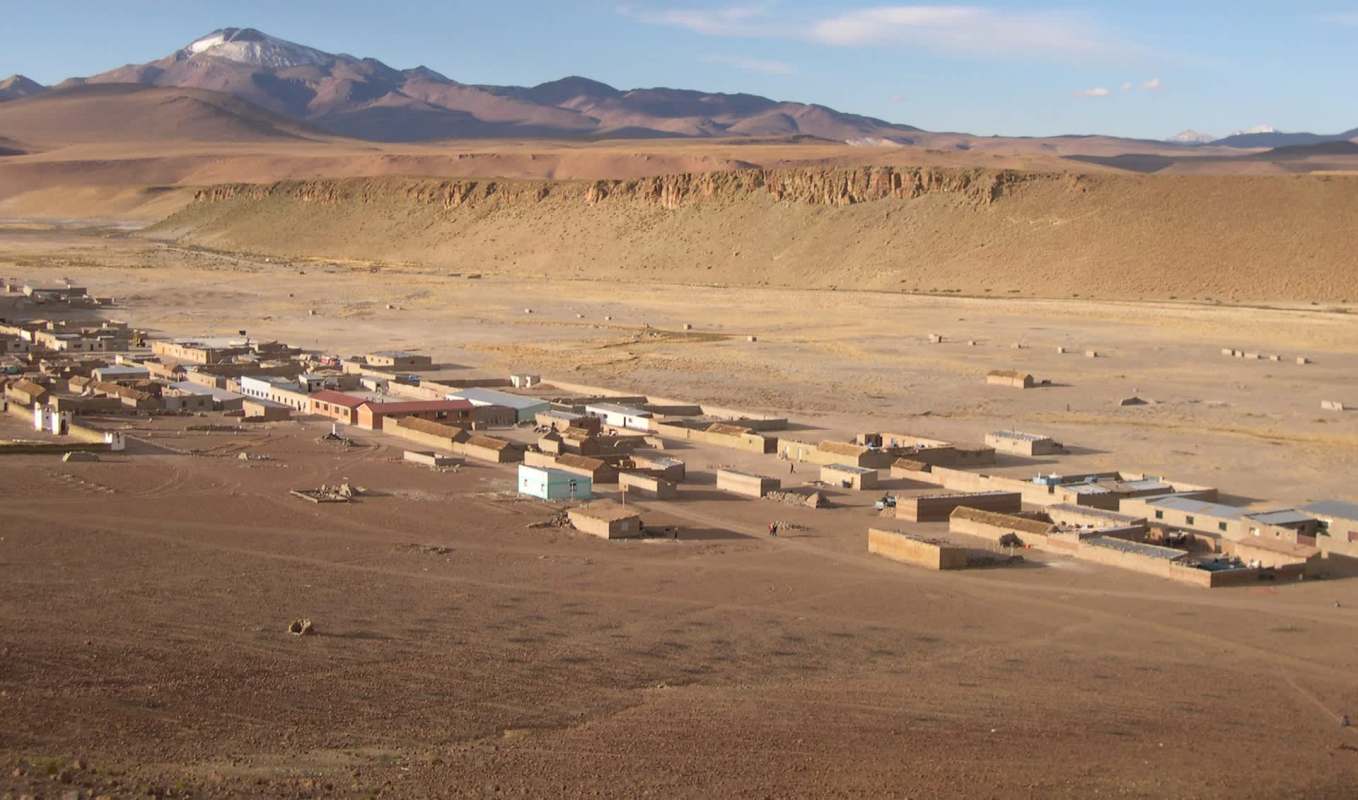
Aerial images of a once-marshy wetland outside Santiago, Chile, are drawing renewed attention online as activists warn that the country's fast-growing data center industry may be colliding with a years-long megadrought.
According to a report from The Guardian, Quilicura residents say land that once held water now looks more like a patchwork of dry yellow grass, and they are identifying nearby server farms as part of the problem.
The debate is centered on the Quilicura wetland, a major swamp on Santiago's northern edge. Law student and activist Rodrigo Vallejos said he watched the area visibly dry out over the past five years while investigating water use in the district, which has Latin America's biggest cluster of data centers.
Chile has 33 data centers in operation and another 34 on the way, with much of that growth happening in central Chile, where drought conditions have persisted for more than 15 years.
In aerial footage of the Quilicura wetland, narrow channels of water can be seen cutting through broad stretches of parched brown land. Vallejos told The Guardian: "What you see here is a wetland without water."
A 2022 estimate by Vallejos found that four major facilities in the area could be using about 1.5 billion liters of water each year, with Google alone holding water rights allowing extraction of 50 liters per second.
TCD Picks » Quince Spotlight
💡These best-sellers from Quince deliver affordable, sustainable luxury for all




While data centers power cloud storage, search, and artificial intelligence tools, they can also put real pressure on local water supplies and the electricity grid.
In hot, dry regions, water-based cooling can become especially resource-intensive, and researchers say AI-focused facilities may use far more water than traditional storage sites.
AI can bring real benefits, including helping utilities forecast demand, integrate more wind and solar power, and improve energy efficiency. However, the infrastructure behind AI also uses enormous amounts of electricity and water, which can worsen pollution, strain local resources, raise energy costs, and create new security and social risks if growth outpaces regulation.
In Quilicura, data centers already account for roughly 62% of local electricity consumption. Experts have also warned that adding more facilities in the drought-stricken Santiago region could place additional strain on water resources and energy infrastructure, potentially worsening existing climate-related challenges.
Vallejos told reporters he is not opposed to the internet or data centers outright.
"We all love the internet — but not at the cost of our water," he said.
Tania Rodríguez, a teacher from another part of the Santiago region where residents successfully halted plans for an additional Google data center in 2024, was even more direct in her criticism.
"We don't need more data centers here taking our water so people in the global north can draw funny pictures on AI," she said.

Get TCD's free newsletters for easy tips, smart advice, and a chance to earn $5,000 toward home upgrades. To see more stories like this one, change your Google preferences here.






