


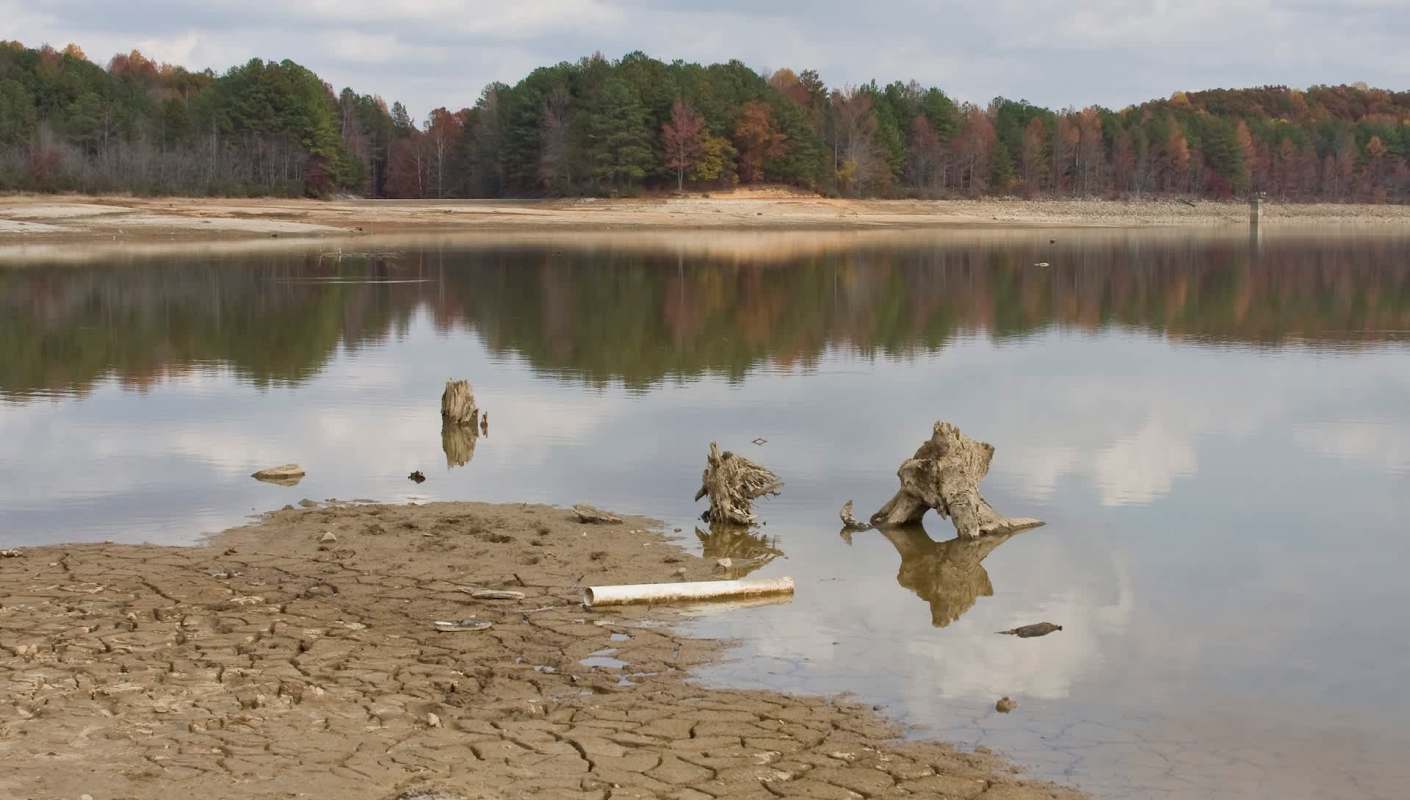
Even as drought affects Virginia, the state's rapidly expanding data center sector continues drawing large volumes of water each day from rivers and reservoirs.
In Prince William County, concerns about that demand are being intensified by a lack of public visibility.
Opponents say nondisclosure agreements have left residents with limited insight into how much water individual facilities consume and what those sites send back into the system, Prince William Times reported.
Here's what to know
Across Virginia, hundreds of data centers collectively use about 6 million gallons of water a day, or more than 2 billion gallons a year.
In Prince William County alone, there are 57 active data centers and 77 more planned or under construction. Their water use can spike during periods of extreme heat.
At peak demand, data centers could account for 10% of Prince William County's water supply — more than 4.6 million gallons in a single day — Prince William Water told the outlet.
TCD Picks » Quince Spotlight
💡These best-sellers from Quince deliver affordable, sustainable luxury for all




The report also said those facilities averaged nearly 2 million gallons per day from June through August 2025.
Those figures have drawn criticism from organizations including the Coalition to Protect Prince William County.
"We have very little information about how much water each data center campus is using," said Elena Schlossberg, the organization's executive director.
Industry officials, though, argue that data centers still make up a relatively small share of total demand.
Don Pannell, Prince William Water's chief operations officer, said projected growth from 4% of the county's water demand to 9% by 2050 is "not a radical change."
More background
Critics say the issue is not just the amount of water being used, but the timing and location of those withdrawals.
Because these facilities depend heavily on cooling, their water needs usually rise during the hottest parts of the year, often when river flows are low, Prince William Times reported.
Federal monitors rated the Potomac, Rappahannock, and James rivers at "extremely below" normal levels. Separately, the U.S. Drought Monitor showed Virginia in moderate drought, with some areas in severe drought.
American Rivers named the Potomac the most endangered river in the country, citing "the rapid, unchecked buildout of data centers along the Potomac River."
The Interstate Commission on the Potomac River Basin warned that data center expansion, combined with population growth and climate stress, could threaten drinking water supplies by 2050, Prince William Times noted.
Downstream farmers and oyster growers are also warning that reduced freshwater flow could let saltier water move farther inland, potentially damaging crops and shellfish.
What's being done?
Some local governments are already trying to lessen pressure on water supplies.
Fauquier County requires data centers to use closed-loop cooling systems that recycle water, although those systems can use more electricity. The same report said Louisa County allows only reclaimed water for data-center use.
Tech companies claim they are also making their operations more efficient.
"The industry has made great strides in recent years to reduce the amount of potable water used in its facilities through technical advancements, use of reclaimed water, and other innovations," said Nicole Riley, director of Virginia government affairs for the Data Center Coalition.
Microsoft has said that newer facilities will use closed-loop systems that bring freshwater demand to near zero after the initial fill.
Amazon told Prince William Times it reduced its Northern Virginia water use by 42%, though a former employee is challenging that claim in court.
Conservation advocates say efficiency claims do not replace the need for transparency.
They are pushing for clearer public disclosure of water withdrawals, wastewater contents, and planning details before more projects move ahead.
"If you're not telling me what you're going to draw, then I'm assuming the worst, because I kind of have to plan for what's going to be the worst," oyster farmer Aaron Rowland remarked.

Get TCD's free newsletters for easy tips, smart advice, and a chance to earn $5,000 toward home upgrades. To see more stories like this one, change your Google preferences here.






