


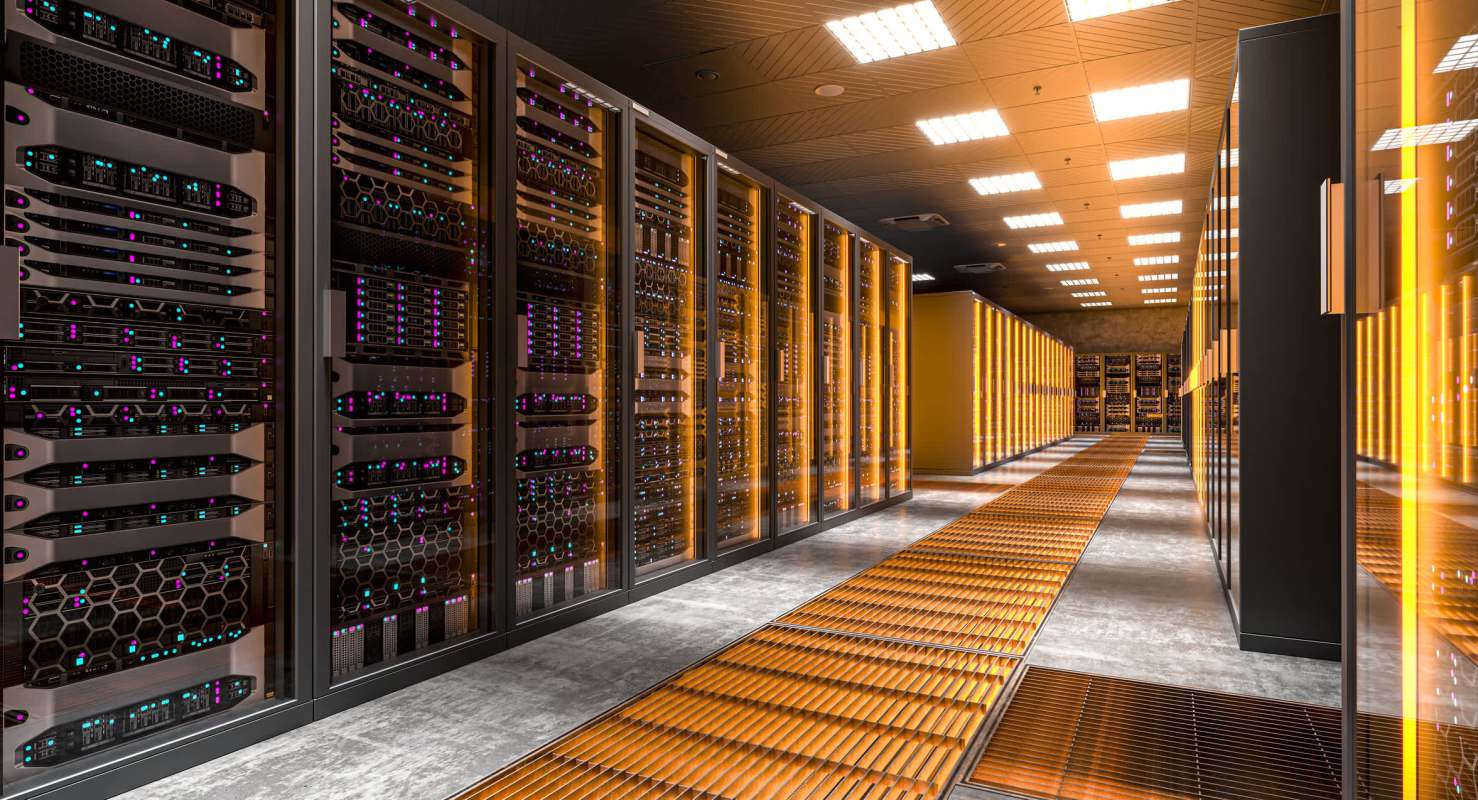
Residents throughout a Pittsburgh suburb are concerned as rumors spread on social media that an AI data center could be built in the area.
Luckily for them, no formal project has been submitted yet. But the township is now very aware of how the public feels should a data center developer proposal come across their desks.
What happened?
In late July, Rostraver Township received many calls from residents who questioned whether a data center was being built in the area after seeing posts on social media, the Tribune-Review reported.
Even without a formal filing, people wanted local leaders to understand their opposition early rather than waiting until a project was further along.
The episode reflects a broader shift playing out across the country. As companies search for sites to build the digital infrastructure needed for cloud computing and artificial intelligence, even the rumor of a large data center can raise concerns about traffic, land use, noise, water use, and strain on local utilities.
Why does it matter?
Data centers are permitted in certain areas in Rostraver, Tamira Spedaliere, the township planning director, said prior to the township meeting, according to the Tribune-Review. Spedaliere added that commissioners had adopted a list of requirements for data centers last year.
TCD Picks » Quince Spotlight
💡These best-sellers from Quince deliver affordable, sustainable luxury for all




Data centers are often framed as signs of economic development, but many residents worry the downsides are felt most directly by nearby communities.
These facilities can require enormous amounts of electricity and, in some cases, large volumes of water for cooling. If that added demand leads to utility upgrades or tighter supply, households can end up facing higher bills or greater pressure on local infrastructure.
The computing power behind AI can consume huge amounts of electricity and water while also raising concerns about security, misuse, and unintended consequences for communities that may not benefit equally from the technology.
Even when no formal project has been proposed, people may want clear information before momentum builds around something that could reshape their town.
What's being done?
Township solicitor Joseph Dalfonso told residents that if a data center developer contacts the town, the plans would have to be approved in a public meeting — no nondisclosure agreements would be involved, the Tribune-Review reported.
But the Rostraver meeting showed that by the time whispers of a data center begin circulating, public concern seems to already be running high.
With no application currently filed, residents and local leaders still have room to seek solid answers before a formal process begins.
If a project does move forward, communities can push for more transparency around expected power use, water consumption, backup generators, traffic, noise, and tax impacts. They can also ask whether a developer would help cover the cost of grid or infrastructure upgrades rather than passing those expenses on to existing customers.

Get TCD's free newsletters for easy tips, smart advice, and a chance to earn $5,000 toward home upgrades. To see more stories like this one, change your Google preferences here.






