


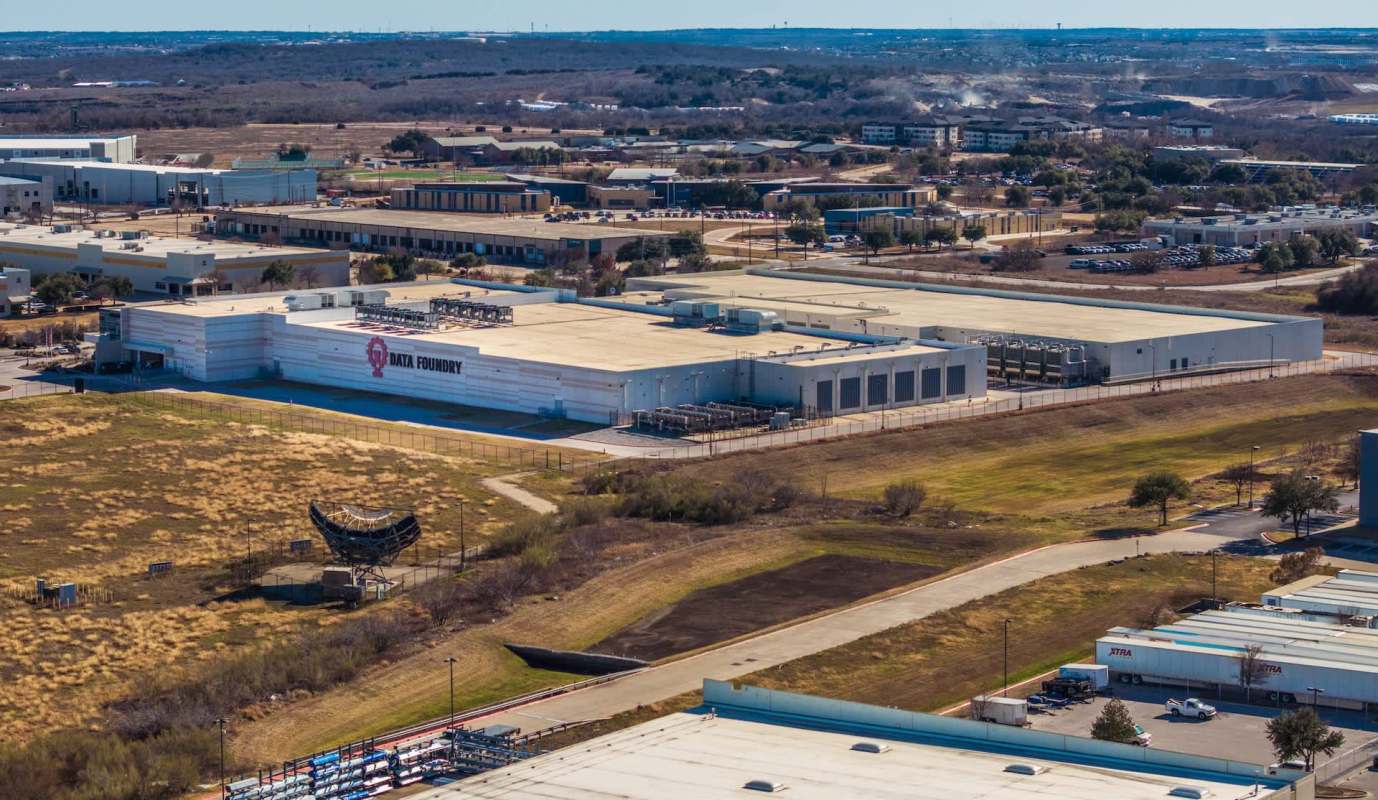
Many local governments have found themselves behind the times with data center regulation, lacking even basic plans for how to address the loud, resource-intensive facilities.
While one might expect smaller, rural communities to lack comprehensive, forward-looking policies, even tech-centric Austin, Texas, has found itself without a basic regulatory framework for dealing with data centers.
Here's what to know
According to Fox 7 Austin, Austin City Council members are looking at changes to the land development code that would treat data centers as their own category and give the city a clearer picture of their local impact.
Austin does not have data center rules written specifically for those facilities. Instead, data centers are folded into the city code under communication services, which makes it more difficult for officials to identify and oversee projects with especially large impacts.
Marc Duchen, councilmember for Austin's District 10, said that means Austin is essentially starting from scratch in developing a dedicated regulatory system for data centers.
"We've got to start from ground zero basically and create sort of basic ground rules for how to start regulating these data centers," Duchen said, per Fox 7 Austin.
TCD Picks » Quince Spotlight
💡These best-sellers from Quince deliver affordable, sustainable luxury for all




Austin Energy has 10 data centers in its coverage area, with electric demand ranging from one megawatt to 20 megawatts. One megawatt of electricity can serve roughly 250 average homes.
City staff members recommended creating a separate data center classification in the land development code and making those projects comply with environmental standards, Fox 7 Austin reported.
They also suggested that the city avoid offering incentives designed to bring in data centers and should not exempt any future facilities from resource-efficiency requirements.
More background
While Austin does not have any major, large-scale data centers, it does host smaller data center operations that help institutions such as universities, banks, and hospitals function. The policy debate has been focused less on these smaller facilities and more on how the city should respond to much larger developments.
Mike Siegel, a council member representing District 7, said neighborhood compatibility is a major concern with such projects.
"The biggest thing is to show how these large data centers are not compatible with residential communities in terms of the noise they produce, even the vibrations that they send through people's bodies, the light, as well as the use of natural resources," Siegel said, according to Fox 7 Austin.
In addition to noise and electricity consumption, water use is another major concern. Austin Water estimated that data centers made up about 0.3% of citywide water use in 2025, and none of the city's existing sites crossed its large-volume benchmark of more than 85 million gallons per year.
However, that could all change quickly if city leaders allow large-scale data centers to come to town.
What's being done?
Mayor Kirk Watson and several other council members have suggested pausing approval of data center applications until Austin adopts a data-center-specific policy. The idea is to give the city time to decide where such projects should go, how to review them, and what requirements they should meet.
Duchen framed the issue as a basic question of whether Austin wants additional facilities of this kind at all and what protections should apply if it does.
"Where I think we'd be spending a lot of our energy on is figuring out, do we need to have these other data centers here?" Duchen said, per Fox 7 Austin. "And if not, what are the appropriate safeguards we put into place to make sure that we're protecting our environment, the community, energy, water, and other concerns that people have if we allow them at all."
"I would 100% be opposed to a large data center coming here," he added.
Where can I learn more?
Austin isn't the only place trying to get ahead of data center growth before giant projects reshape the local landscape. Officials elsewhere are grappling with many of the same concerns, including electricity use, water consumption, noise, and neighborhood fit.
• In rural Texas, counties say 248 planned data centers could arrive with little local control.
• Gov. Greg Abbott told AI developers to bring power and water to rural Texas.
• In Indiana, counties now curb data center growth, with two bans already in place.
• In Lawrence, Kansas, officials are weighing a 1-year data center ban over water, power, and noise.
• Santa Fe County, New Mexico, imposed an 18-month data center ban as water and power fears mounted.
These articles offer a look at the different tools cities and counties are testing as the industry grows. That wider picture helps frame what Austin could borrow, reject, or tighten up as it writes its own rules.

Get TCD's free newsletters for easy tips, smart advice, and a chance to earn $5,000 toward home upgrades. To see more stories like this one, change your Google preferences here.






