


Denver's yearlong freeze on new data center development may ultimately end up a permanent ban as officials collect public input.
Why Denver imposed the pause
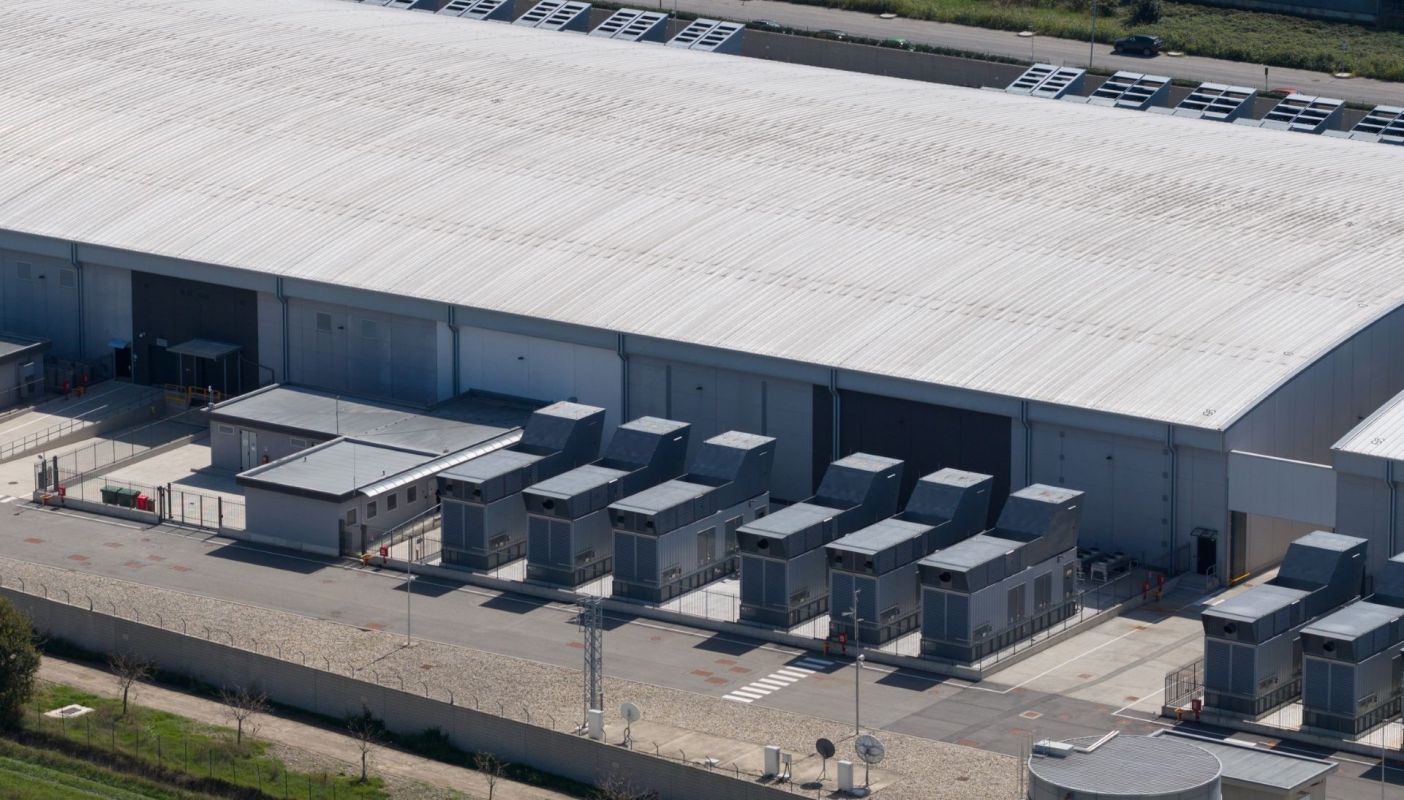
Denver7 Investigates reported that the temporary pause approved in May came after the construction of a 180,000-square-foot data center across from Elyria Park in northeast Denver. During the moratorium, city leaders began working on standards that were previously missing.
According to Denver7, Mayor Mike Johnston said, "I think all things are possible. I think we're going to wait to see what our residents come back with as suggestions ... I think that's possible that they would be limited to certain size or certain impact or certain locations."
"When we have data centers that risk driving up people's utility bills and putting a huge demand on water supply in a city with a drought, we think that's a reason to have concerns," Johnston went on to explain.
At the center of the debate is a CoreSite project in a Denver community long described as underserved.
Denver City Councilmember Darrell Watson, whose district includes Globeville and Elyria-Swansea, said the development moved ahead without a City Council review, exposing what he sees as a major policy breakdown, Denver7 reported.
TCD Picks » Quince Spotlight
💡These best-sellers from Quince deliver affordable, sustainable luxury for all




Alfonso Espino, an activist who grew up a block from the site, said, "We believe that this is ground zero," per Denver7.
How the dispute grew
The uproar revealed a weakness in Denver's land use rules.
"Anyone could buy a piece of land next to your house and open a data center, and that seemed like a real miss for our zoning code," Johnston said.
Watson agreed wholeheartedly, saying, "Our zoning code, the land use that we have, has failed Globeville and continues to fail Globeville."
Before the moratorium stopped them, CoreSite had proposed two more data centers for the same property. Watson said he does not expect additional buildings there to move forward.
Data centers are also closely tied to the AI boom, as many of the facilities drawing scrutiny across the country help power AI systems and other cloud-based services.
The facilities can help utilities and companies optimize clean energy systems, but they can also come with steep electricity and water use, higher energy bills, security concerns, misuse, and other unintended social consequences if expansion outpaces local oversight.
According to Denver7's database, nearly 500 communities nationwide have moved to pause or block data center growth, while more than a dozen Colorado communities have passed moratoriums or are considering action. Longmont has gone a step further by banning large data centers.
What happens next
A 26-member working group of citizens and experts has been assembled to recommend new data center policies for Denver. Espino, who opposed the Elyria-area project, is now part of the group helping shape what the city does next.
The city's review is focused on practical limits, including where data centers can be built and how much electricity and water they can draw. Those standards could become the basis for permanent restrictions once the one-year pause ends.
City leaders have also said the moratorium will remain in place until new laws are adopted, meaning the pause will remain steadfast until replacement safeguards are established.
"The moratorium is only a good first step if it results in something permanent," Watson said.

Get TCD's free newsletters for easy tips, smart advice, and a chance to earn $5,000 toward home upgrades. To see more stories like this one, change your Google preferences here.






