


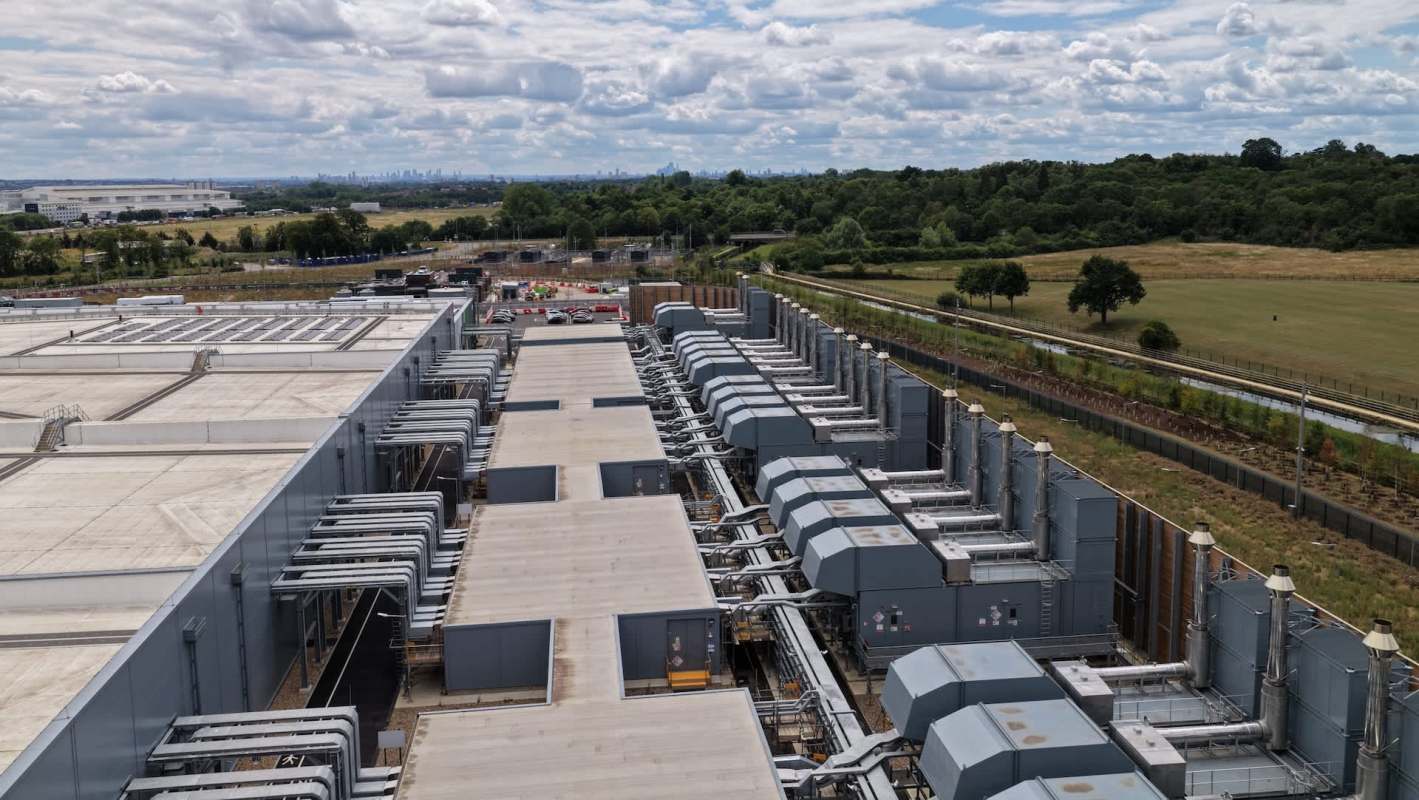
Plans that could open the door to data center construction in Frederick County, Maryland, drew several dozen demonstrators to government offices on July 18, the Frederick News-Post reported.
The rally was part of a much larger fight unfolding nationwide as communities weigh the costs and benefits of the infrastructure powering artificial intelligence, cloud computing, and other digital operations.
What happened?
Protesters gathered in downtown Frederick last weekend to object both to data center development and to a county proposal that could broaden where those facilities may be built.
The event was part of a nationwide day of protests over data center development held on July 18.
That opposition has grown as more local governments consider new zoning rules and development plans tied to the booming industry.
While data center developers say the facilities can bring tax revenue and jobs, the facilities also raise credible concerns about land use, noise, new transmission infrastructure, and strain on local resources.
TCD Picks » Quince Spotlight
💡These best-sellers from Quince deliver affordable, sustainable luxury for all




Why does it matter?
Data centers are closely tied to the AI boom, making fights like this one significant far beyond Frederick County.
AI may provide tangible benefits, including the potential to help utilities forecast electricity demand, improve grid efficiency, and better integrate clean energy sources such as solar and wind.
At the same time, the computing power needed to run AI systems can sharply raise electricity use and water consumption for cooling.
That can put pressure on local grids, drive energy bills higher, pressure water systems, impact how much local land is industrialized, and create social consequences if data center growth outpaces oversight.
What's being done?
The nationwide July 18 protest is one example of the main way communities are responding: public pressure.
Demonstrations, planning meetings, and local organizing campaigns can influence how county officials approach zoning, permitting, and development for new data centers.
Stronger guardrails on the facilities might include clearer disclosure of water and electricity demand, noise restrictions, setbacks from homes and schools, and requirements for developers to help support cleaner power sources instead of adding unchecked strain to the grid.
As data centers spread, more communities are asking whether the promised economic gains outweigh the environmental and infrastructure costs close to home.

Get TCD's free newsletters for easy tips, smart advice, and a chance to earn $5,000 toward home upgrades. To see more stories like this one, change your Google preferences here.






