


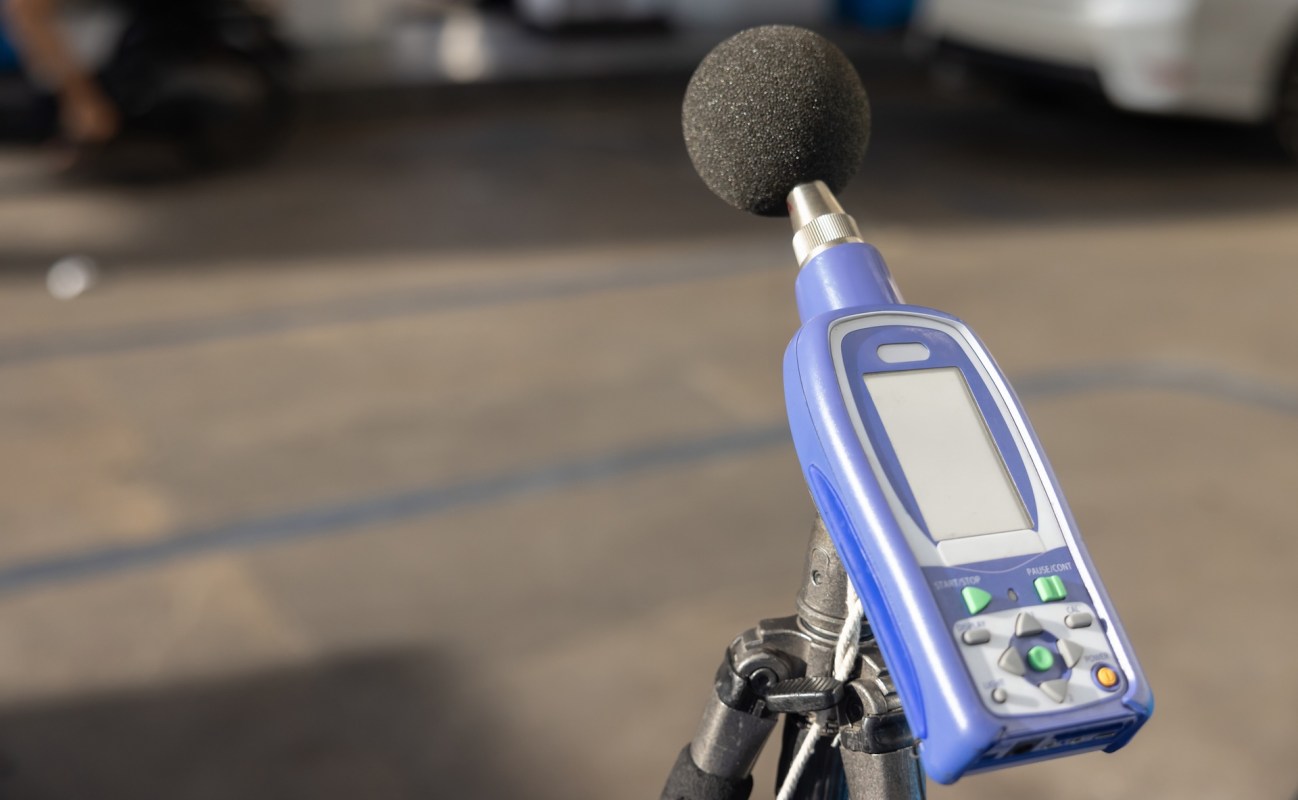
Two residents living near a 30-megawatt data center in Dowagiac, Michigan, are suing Alliance Cloud Services, a subsidiary of Hyperscale Data Inc., alleging noise from the facility is so constant and intense they can hear it through closed windows and over the television.
What happened?
Nearby homeowners say the data center at 415 E. Prairie Ronde St. has become disruptive enough that they are suing Alliance Cloud Services, a subsidiary of Hyperscale Data Inc., over the sound coming from the site, according to MLive.
Filed May 26 in federal court for western Michigan, the complaint says neighboring properties are being "physically invaded" by noise from the facility's cooling equipment. Those systems are used to remove the heat produced by servers inside the building.
The plaintiffs also allege the company did not install enough soundproofing to prevent noise from escaping the property. They are asking the court to certify the matter as a class action, rule that the noise is a nuisance, and award damages and attorney fees.
The lawsuit comes as Hyperscale Data has said it wants to increase the facility's capacity to 340 megawatts, though no development requests have yet been filed with the city, the report said. MLive reported that a representative for Hyperscale Data Inc. was not immediately available for comment.
Why does it matter?
Lindy Valenzuela, one of the plaintiffs, said, "My husband and I have been unable to utilize our yard since this facility began operation a few years ago. On warmer days (when the noise becomes louder), it is impossible to stay outside for longer than 10 minutes at a time before succumbing to headaches."
TCD Picks » Quince Spotlight
💡These best-sellers from Quince deliver affordable, sustainable luxury for all




The case reflects growing tension in communities hosting data centers. Large data centers can consume enormous amounts of electricity and water, putting added pressure on local infrastructure.
That can create downstream risks such as higher utility costs, more strain on the power grid, and broader concerns about security, misuse, and unintended societal consequences as AI expands faster than many communities can prepare for.
The complaint also says the ongoing noise is reducing nearby property values.
"If we want to resell the house, who's going to want to buy the house with that noise? No one's going to want to buy," local resident Terry Raab said in the complaint.
What's being done?
The plaintiffs say the facility's operators were negligent and argue that a properly managed data center would use soundproofing capable of absorbing and containing this kind of industrial noise.
If the case moves forward as a class action, other affected residents could seek relief through the same case.
As data centers expand to meet growing AI demand, pressure is likely to increase for stronger standards on where these facilities are built and how they operate near homes.

Get TCD's free newsletters for easy tips, smart advice, and a chance to earn $5,000 toward home upgrades. To see more stories like this one, change your Google preferences here.






