


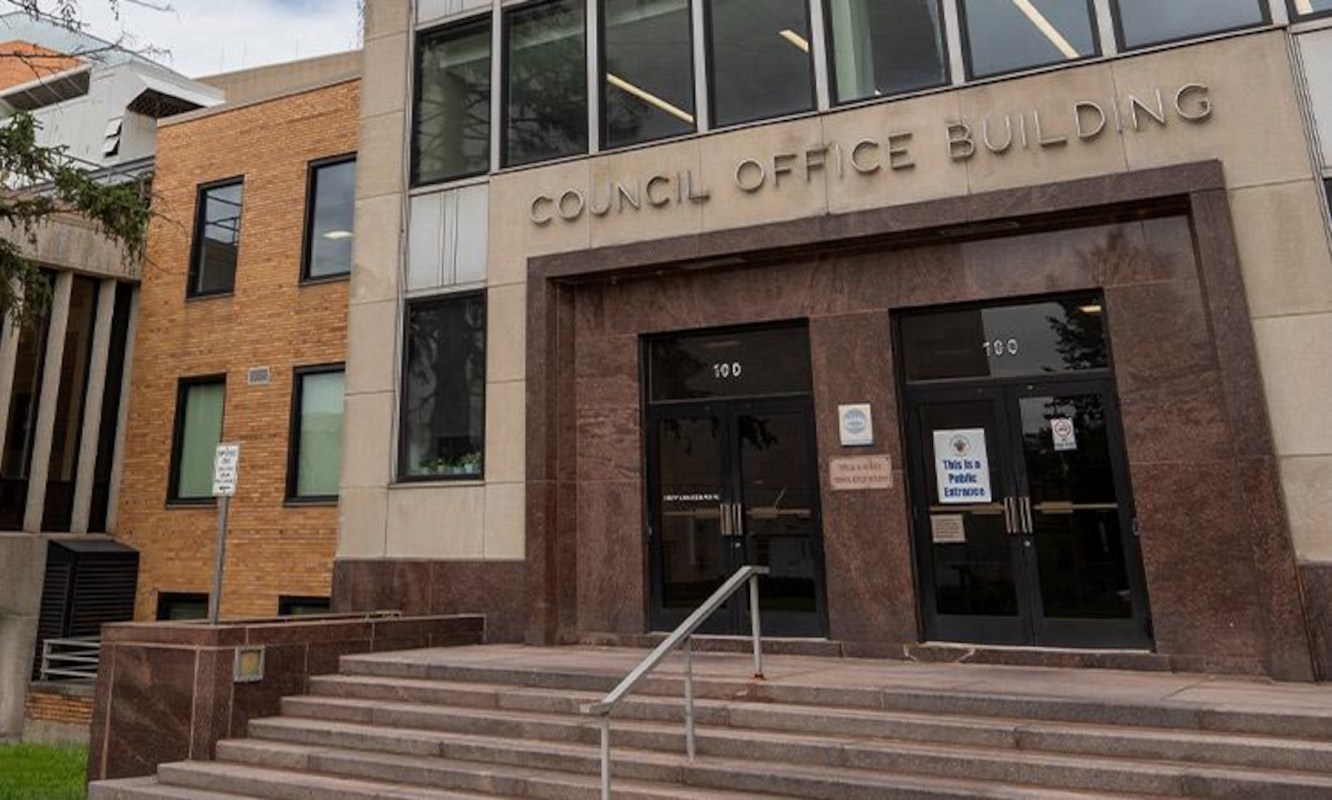
Backlash to a proposed data center campus at the site of a retired coal-burning power station in Dickerson, Maryland, was followed by two Montgomery County Council committee actions and one vote.
Those moves slowed the push for massive data centers and gave officials more time to decide whether the projects fit the county's climate-action and land-use goals.
What happened?
Before the Tuesday vote, two committees acted July 22 on separate limits for the industry.
The Economic Development committee backed an 18-month moratorium on data center development, Bethesda Today reported, and the Planning, Housing, and Parks committee advanced a zoning amendment that would bar data centers over 25 megawatts.
In Dickerson, Atmosphere Data Centers took over a proposal for a five-building, 360-megawatt campus on land owned by Terra Energy. Residents and environmental groups say a project that large could intensify electricity demand, water use, noise, and pollution.
Caroline Taylor, executive director of the Montgomery Countryside Alliance, said a pause could give officials time to better understand the industry before permitting further expansion. The moratorium will "forge a pathway forward to understanding better the sort of extractive nature of this industry and how Montgomery County might manage it," she told Bethesda Today.
TCD Picks » Quince Spotlight
💡These best-sellers from Quince deliver affordable, sustainable luxury for all




Environmental groups urged the council to approve both measures, arguing that large-scale projects should not move ahead without stronger safeguards.
Bethesda Today later reported that the council unanimously voted to approve the 18-month moratorium on data center development.
"The testimony was very clear several weeks ago that you all wanted to see a meaningful moratorium so that we can go through the tough issues," said council member Will Jawando, who brought forward one of the proposals.
Why does it matter?
The fight reflects a broader tension around data centers. They are increasingly central to the economy because they store information and power cloud computing, streaming services, and artificial intelligence tools. But the same facilities can stress electricity grids and water systems, especially as AI drives demand for more computing capacity.
AI itself may help improve clean energy systems, boost grid efficiency, and predict electricity demand, yet the infrastructure behind those gains can consume vast amounts of power and water.
Critics say the risks reach beyond infrastructure strain, citing higher utility bills, pollution from generators, and unintended social consequences. In Montgomery County, many of those concerns converged.
Opponents warned about plans to draw water from the Potomac River for cooling and to rely on diesel generators for backup power, raising alarms among advocates focused on water and air quality and climate action.
Jorge Aguilar, southern regional director for Food & Water Watch, called the moratorium "commonsense," adding, "AI data centers threaten to increase pollution and run our utility bills through the roof."
What's being done?
Supporters say the moratorium will give Montgomery County time to collect more information, bring in experts, and write rules for the industry.
Taylor said environmental advocates worry the county could otherwise move too quickly without enough input from biological and ecological experts. Karen Metchis of the Montgomery County Sierra Club said the county needs "thoughtful decision-making" as it deals with the sector's rapid growth, per Bethesda Today.
Atmosphere Data Centers, meanwhile, has said its proposal emphasizes sustainability and low-impact design. CEO Chuck McBride previously told Bethesda Today that the company was "actively evaluating all available options to incorporate cleaner and lower-carbon energy solutions."
"I'm hoping that Montgomery County, perhaps in tandem with other places in the country, can come together and really get this data so we know what we're looking at and how we might manage," Taylor told Bethesda Today, while Metchis added, "Data centers consume our water and energy resources in ways that are not sustainable and that our community cannot afford."

Get TCD's free newsletters for easy tips, smart advice, and a chance to earn $5,000 toward home upgrades. To see more stories like this one, change your Google preferences here.






