


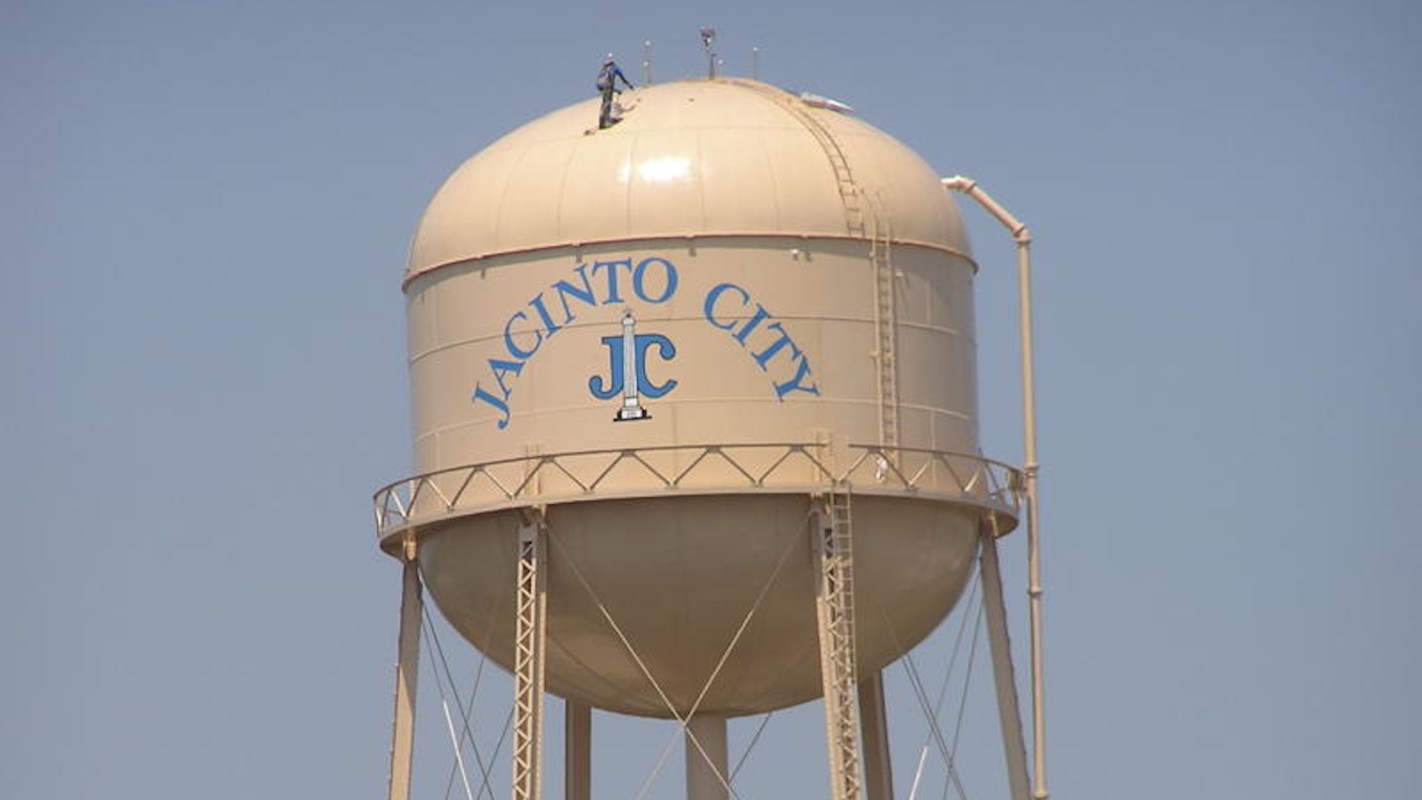
In Jacinto City, Texas, a shuttered bottle-making plant became a flashpoint after a real estate listing presented it as a candidate for an artificial intelligence-focused data center.
City officials soon found themselves responding to a surge of resident concerns, trying to calm fears, and ultimately taking formal steps against data center development while they gathered more information.
What happened?
According to Chron, the controversy began when the former glass bottle plant at 4202 Fidelity St. appeared in a commercial real estate listing, abruptly putting a dormant industrial property at the center of local debate.
Marcus and Millichap pitched the 30-acre property — closed since July 2024 after years as a major local employer — as a "premier development opportunity" for "data center hyperscale and AI advancement."
Jacinto City manager Lon Squyres told Chron that once the listing appeared in May, City Hall logged more than 150 calls and emails.
"There has not been one person that's called that's been pro data center," Squyres said.
TCD Picks » Quince Spotlight
💡These best-sellers from Quince deliver affordable, sustainable luxury for all




On July 2, the City Council adopted a resolution stating that residents would be better served if the city opposed data center development inside its limits "until additional information and policy direction can be obtained and evaluated."
Squyres also said that no developer had filed an actual proposal to build a data center there, and that the marketing brochure had surprised city officials too.
Why does it matter?
Texas has become a major hub for data center growth as demand for AI continues to surge, bringing billions in investment while also drawing increasing public scrutiny.
Nearby communities often focus on noise, traffic, water use, power demand, and whether a project would benefit the surrounding neighborhood.
AI is closely tied to the electric grid. Data centers can consume enormous amounts of electricity, putting pressure on local infrastructure and contributing to higher energy bills. Meanwhile, these facilities also use lots of water for cooling, which can strain local resources.
AI can help manage power systems more efficiently by forecasting demand, improving battery use, and helping utilities integrate more wind and solar energy. However, the technology's role is evolving quickly, and so are the risks, including security concerns, misuse, and unintended impacts on communities.
At one City Council meeting, some residents showed up "with figurative pitchforks," but many felt reassured after officials said the city had not been trying to attract a project.
What's being done?
Instead of pursuing a blanket ban that could lead to legal challenges, Jacinto City is examining regulations meant to reduce the neighborhood impacts of any future industrial development, including a data center.
Squyres told Chron that city leaders visited data centers in Texas, used a decibel meter to measure noise, and spoke with nearby residents, including during a stop in Red Oak, where one of Google's data centers is located.
He said the city wants stronger guardrails on issues such as lighting, power draw, and water use.
Officials are also considering requirements that any future operator join emergency-planning and incident-reporting systems and respond to residents in a public forum.
Squyres also said tax incentives for a data center are "completely off the table for us." For now, the city is in talks with another prospective buyer for the old plant — and it is not a data center.
"We owe the public an explanation of whatever goes in there, who they are, what they do and what impact it's going to have on the city," Squyres said. "That needs to be done in a public forum."

Get TCD's free newsletters for easy tips, smart advice, and a chance to earn $5,000 toward home upgrades. To see more stories like this one, change your Google preferences here.






