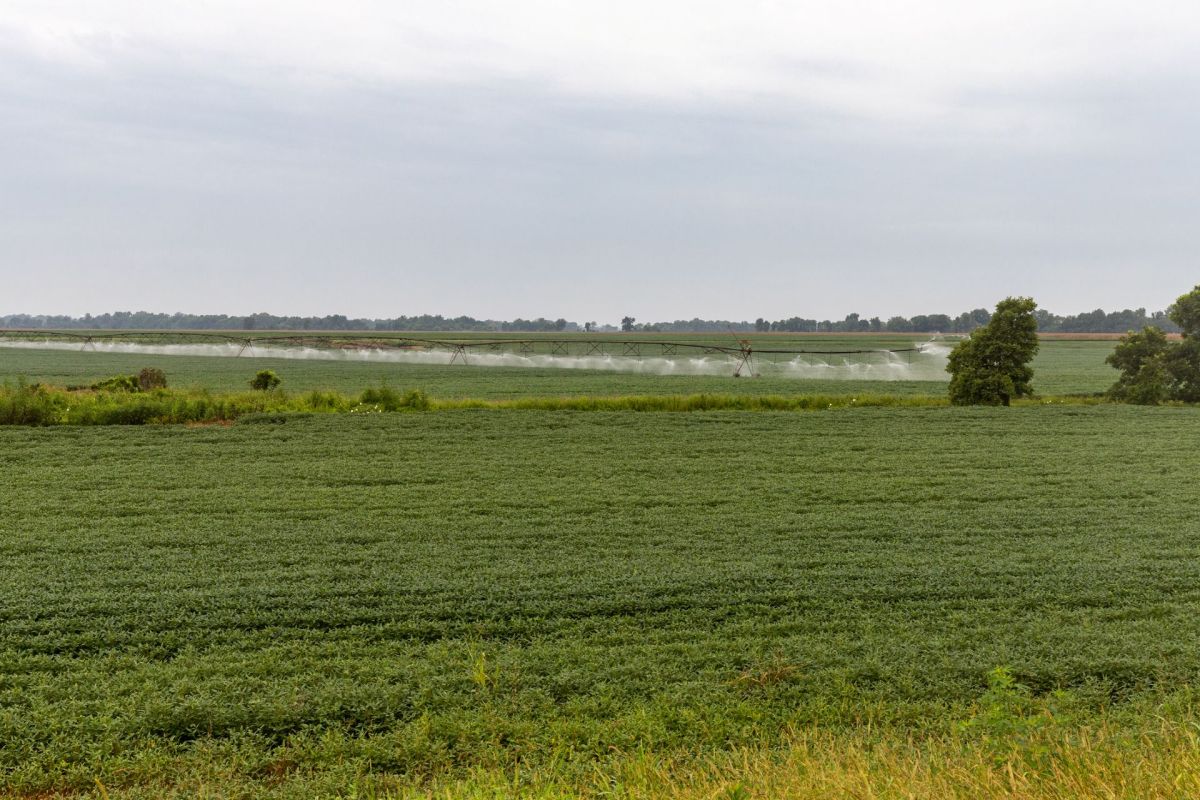
For residents in Clarksdale, Mississippi, the prospect of a giant data center does not feel like a fresh start. Instead, for many, it feels like another high-stakes development deal that could drain local resources while leaving ordinary people to bear the risks.
Some residents say the project is being pitched as an economic lifeline even as major questions remain unanswered.
Here's what to know
City leaders said a hyperscale facility could bring in millions in local tax revenue, along with 1,000 temporary jobs and 200 to 300 permanent positions, but the proposal has already stirred resistance in Clarksdale, according to Capital B.
Residents worry about pollution, heavy water use, added strain on the electric grid, and a process they believe unfolded out of public view; no final agreement has been reached.
That opposition grew after Clarksdale's Board of Commissioners rezoned 648 acres on March 23 from commercial and agricultural use to light industrial, opening the door to projects such as data centers. The property is near the Roundyard, a historic Black neighborhood, and about 15 residents filed a complaint alleging the public had not been properly notified about the site's intended use.
For Voneshay Walker, who lives about three miles from the proposed site, those concerns are immediate.
TCD Picks » Quince Spotlight
💡These best-sellers from Quince deliver affordable, sustainable luxury for all




"I'm not for it. I'm not against it because everything has its downside," Walker told Capital B. "But the thing is, you're taking the risk of your population getting polluted. You're taking risks — and it's elderly people who can't [afford to] move out of Clarksdale."
More background
Residents said Clarksdale's long economic struggles shape their skepticism. Capital B reported that 55% of the city's residents live in poverty, and Walker said the same area was supposed to get a grocer and a sports complex, but neither project materialized.
Another question is who would benefit if the project moves forward. Opponents doubt the jobs would really go to local residents and worry the development would mostly serve as a rationale for giving tax cuts to a large corporation.
Walker said, "We got plenty of companies who come to Clarksdale, get their tax cuts, and stay around long enough to get paid back and leave."
Power and water are central to the broader backlash over data centers. Their huge electricity needs are driving new power plants and transmission lines, and utility customers can end up shouldering some of those grid expansion costs through higher bills. Water use is also a major flashpoint, especially in places where residents already fear local systems are overburdened.
Abre' Conner, director of the NAACP's Center for Environmental and Climate Justice, told Capital B that the stakes go far beyond one Mississippi town.
"What is being offered to these communities is really taking of resources at scale that they've never seen before," Conner said. "We have to be looking at these decisions as one of the civil rights concerns of our time, considering the number of implications that data centers can bring without any consistent promise of a future."
What's being done?
Resistance has taken several forms, including public meetings, social media posts, legal action, and records requests. The lawsuit against the city remains pending in Coahoma County Circuit Court, and the NAACP submitted two letters supporting residents while also requesting public records tied to the proposal.
Transparency has become one of the biggest flashpoints. The complaint cited by Capital B said Jon Levingston, who leads Crossroads Economic Partnership, the local chamber of commerce, did not tell the planning commission what the project was for because he was under a nondisclosure agreement.
According to the ordinance, any developer would need to pay a $5 million impact fee, stay within water-use limits, secure permits, and maintain a 1,000-foot buffer along the property line. Curtis Boschert, general manager of Clarksdale Public Utilities, said the company would pay for any utility upgrades. He also said a study would be required to make sure a large-load customer would not harm drinking water, and that any project would still need to comply with federal and state rules covering air, water, and wastewater.
Walker told Capital B: "When it comes … it's not gonna help anything."
Where can I learn more?
Clarksdale is far from the only place wrestling with these questions. Communities around the country are pushing back on data center projects over many of the same issues raised in Mississippi, including water use, power demand, pollution, and how much gets decided behind closed doors.
• In Texarkana, residents opposed a 500-acre data center plan over water, noise, and secrecy.
• In Virginia, neighbors say noise, pollution, and land grabs from data centers are eroding daily life.
• In Indianapolis, residents fighting DC Blox warned power use and polluted soil could outweigh promises.
• Across the country, gas-powered AI data centers could produce pollution beyond Norway's total emissions.
• In Michigan, critics said power plans for data centers could raise bills and slow clean energy.
The pattern in these stories helps explain why residents in places like Clarksdale are wary of treating data center proposals as easy economic wins. Again and again, the fight comes down to who stands to benefit and who ends up carrying the risks.

Get TCD's free newsletters for easy tips, smart advice, and a chance to earn $5,000 toward home upgrades. To see more stories like this one, change your Google preferences here.