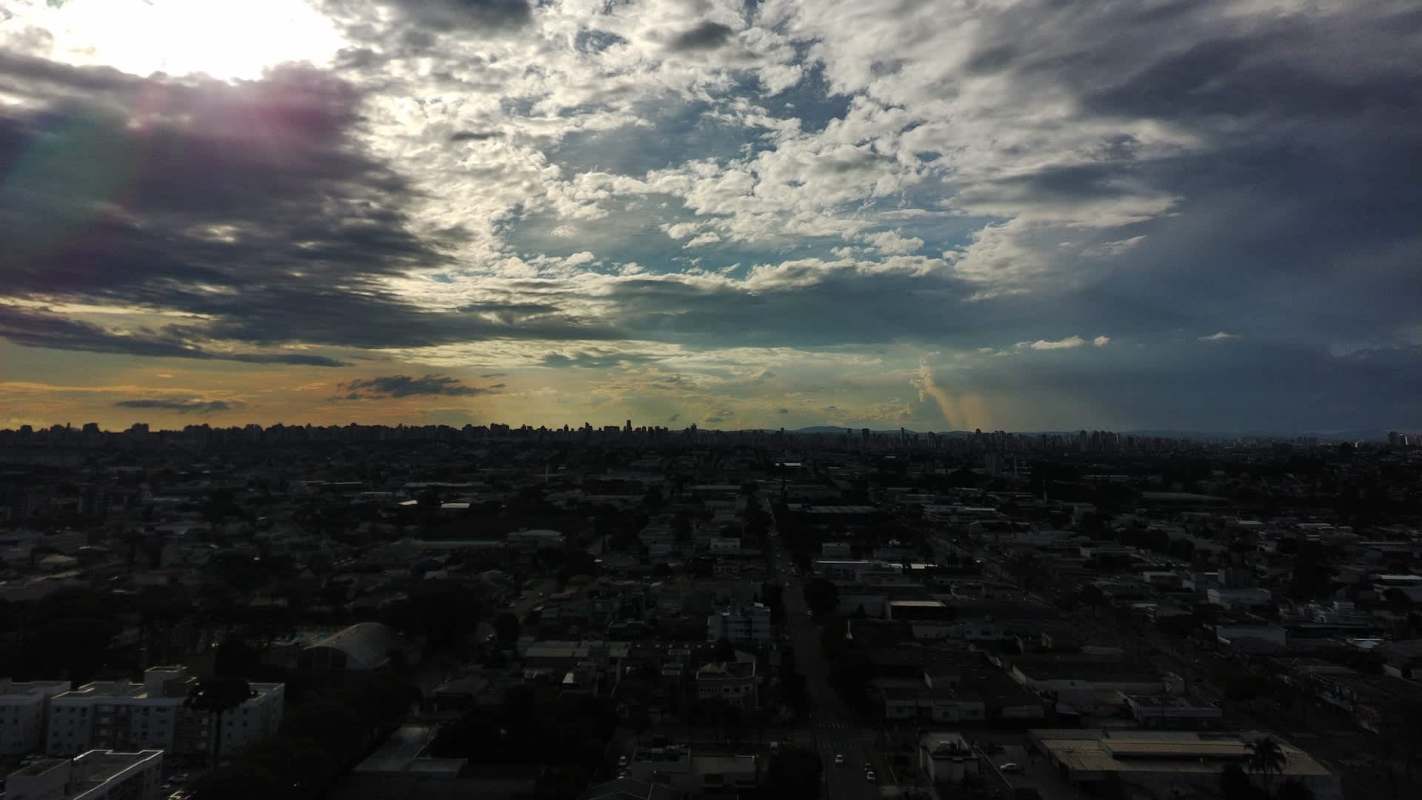
Streetlights have long been viewed as a basic part of public safety, helping drivers see more clearly, making pedestrians feel safer, and keeping business districts active after dark.
However, some communities are rethinking the long-held assumption that brighter is always better, instead recognizing the value of darker night skies.
Here's what to know
Jalopnik reports that some communities have been restricting certain types of outdoor lighting as they seek "dark sky" recognition.
Dark-sky advocates don't aim to leave entire neighborhoods in darkness. Instead, they aim to reduce overly bright, unnecessary lighting that creates glare and washes out the night sky with little or no public benefit.
Since they were first adopted in U.S. cities in the 1910s, electric streetlights have held a prominent place in the country's urban planning, according to Jalopnik.
More than a century later, dark-sky advocates are encouraging civic planners, government officials, businesses, and private landowners to reconsider their use of light.
TCD Picks » Quince Spotlight
💡These best-sellers from Quince deliver affordable, sustainable luxury for all




DarkSky International, a nonprofit that has existed for decades, promotes lighting strategies that are more targeted and less disruptive. For example, DarkSky encourages motion-sensor lights, amber-toned bulbs, light shielding, and timers as simple, low-cost ways for communities to reduce light pollution.
As part of its work to reduce unnecessary light pollution, the group recognizes International Dark Sky Places and approves lighting products, designs, and installations meant to curb light pollution, according to Jalopnik.
More background
In most urban areas, bright city lights block out many stars that would otherwise be visible to the naked eye. Dark-sky communities help restore that view, with benefits that extend beyond stargazing to wildlife and local economies.
One stark environmental consequence of light pollution shows up in sea turtle populations. According to Jalopnik, hatchling sea turtles on beaches naturally move toward the brightest nearby light, historically moonlight.
However, artificial lighting can mislead them and send them heading in the wrong direction, which can result in mass hatchling deaths.
Dark-sky regulations are nothing new; the first such laws date back more than half a century. In 1958, Flagstaff, Arizona, established the first dark-sky rules, with officials prohibiting commercial advertising searchlights because they interfered with local research telescopes.
What's being done?
According to Jalopnik, DarkSky International does not set local lighting laws itself, leaving those decisions to cities and towns.
Instead, the organization provides expertise, helping to shape the process by certifying products, designs, and setups intended to cut light pollution without negatively impacting the community.
Dark-sky rules can even help people lead healthier lives by positively influencing our bodies' natural Circadian rhythms, which can improve sleep and mental health.
As DarkSky International puts it, the goal is responsible lighting, not darkness for its own sake.
Outdoor lighting should be "lighting that meets the needs of people to see at night while conserving energy, avoiding harmful effects on wildlife, and protecting the night sky," the organization said, per Jalopnik.
Where can I learn more?
Dark-sky debates tie into bigger questions about how outdoor lighting shapes neighborhoods, ecosystems, and infrastructure. From effects on plants and insects to energy-saving redesigns, these articles show how streetlight use is being reimagined in very different ways.
• Scientists found artificial nights around streetlights can disrupt trees, plants, and insects.
• Across Southeast Asia, cities are installing solar-powered streetlights at scale to cut costs and emissions.
• In London, officials turned streetlights into EV chargers, expanding transportation access without new curbside clutter.

Get TCD's free newsletters for easy tips, smart advice, and a chance to earn $5,000 toward home upgrades. To see more stories like this one, change your Google preferences here.