


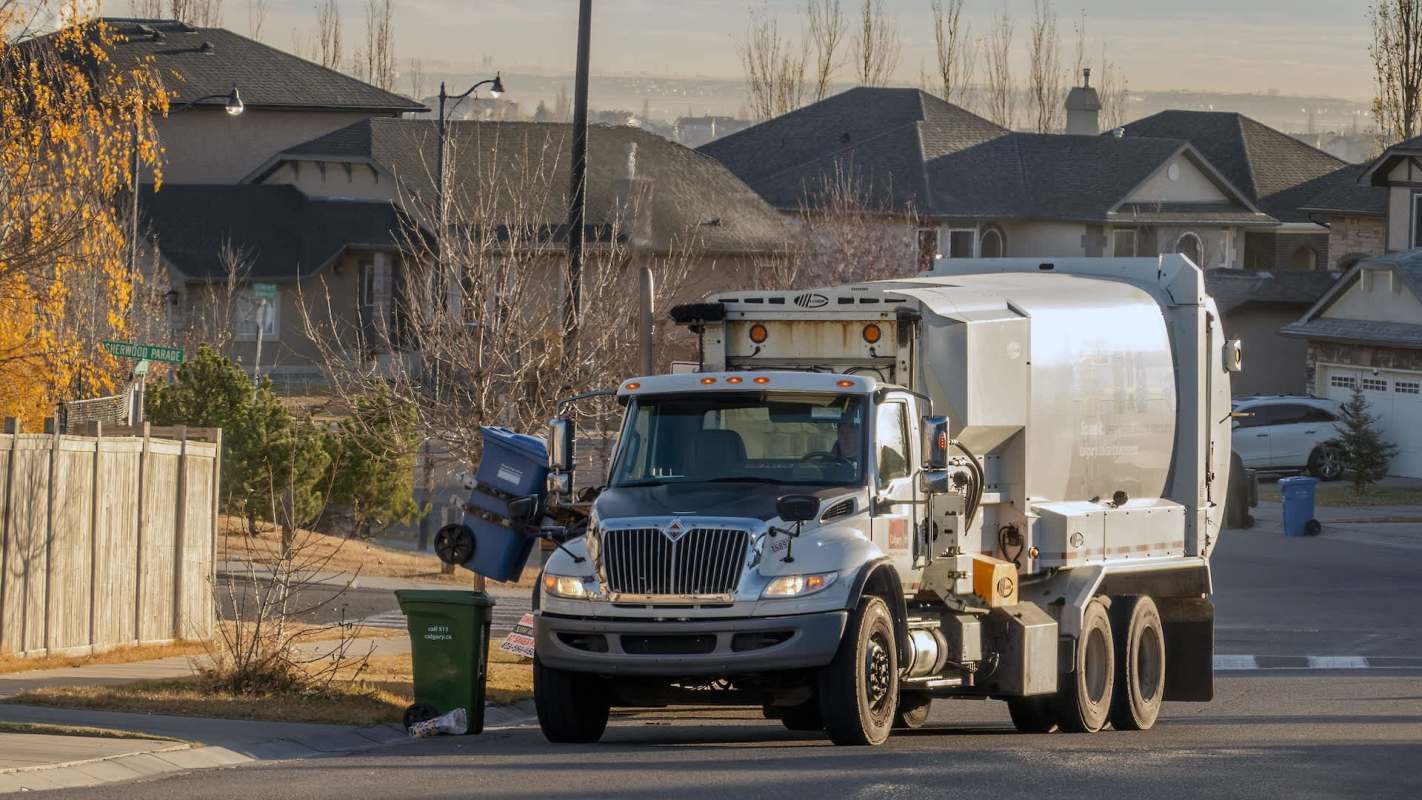
Dallas residents are objecting to a city program that uses artificial intelligence-equipped trucks to evaluate homes for signs of blight.
City officials say the cameras are intended to speed up the process of spotting possible code problems. Opponents, however, argue the program raises privacy concerns and could put more pressure on lower-income neighborhoods.
Here's what to know
Records cited by NBC 5 Investigates show the system has photographed and scored about 21,000 properties since April. Cameras mounted on some Dallas sanitation trucks capture property images, look for potential code concerns, and assign homes an internal "blight score."
The city said people review the images and use the scores only to decide which locations to inspect first.
Using city data, the station mapped the detections and found the highest concentrations in Southern Dallas, particularly in ZIP codes facing some of the city's toughest economic conditions.
That troubles local politicians. Dallas City Councilmember Chad West proposed cutting funding for the city's $2.5 million, three-year camera deal.
TCD Picks » Quince Spotlight
💡These best-sellers from Quince deliver affordable, sustainable luxury for all




"My primary concern is that this could end up being inadvertently a tax on the poor," West explained to NBC 5.
The program has also led residents and viewers to question its fairness.
"This is actually frightening and who defines what's blight on your home?" a commenter asked in a social media post.
More background
The city told NBC 5 it has already sent 1,800 "courtesy notices" to owners of properties the cameras flagged for possible violations.
Those notices ask residents to make repairs voluntarily, but unresolved issues can eventually lead to further enforcement and fines. The city also said its original target was to send around 5,200 notices each year.
For some homeowners, that has heightened fears about displacement.
"What they're trying to do is they're trying to flush us out," one resident theorized to the station. "They're trying to get us gone."
Another resident noted, "Wow! Anything just to make money off of somebody."
AI systems can consume large amounts of electricity and water, create privacy and security risks, and produce unintended consequences if they are used unevenly or without strong oversight.
What's being done?
NBC 5 reported West agreed to pause his push to strip funding after saying the city manager committed to holding a hearing on the issue in December.
He still sees possible uses for the cameras, including spotting illegal dumping, but wants more discussion.
City officials told the station the program aims to make code enforcement more efficient, not punish residents, and that the cameras are meant to help staff find issues faster.
City Detect, the company behind the cameras, has also defended the system's privacy protections, saying it isn't tied to law enforcement or intended as a revenue tool.
Public hearings and future oversight could determine whether the technology is ultimately seen as a helpful community tool or a source of unequal pressure.
"I don't think that's the intent of anybody on council to select a part of the city and punish them," West told NBC 5. "I think this is just a topic we really need to talk through."
Where can I learn more?
The dispute over Dallas' blight-scoring cameras is part of a much bigger argument about what happens when AI shows up in everyday life. That tension includes growing public backlash to examples supporters point to when they say the technology can still be useful.
• Across the country, public outcries against AI are growing over security, jobs, and resource use.
• Residents are confronting massive power grid issues as AI data centers disrupt home appliances.
• Engineers are deploying AI robots for ocean cleanup to pull plastic waste from waterways.
As Dallas residents are considering the downsides of AI moving into everyday neighborhoods, the same questions are popping up globally as the technology's usage ramps up.

Get TCD's free newsletters for easy tips, smart advice, and a chance to earn $5,000 toward home upgrades. To see more stories like this one, change your Google preferences here.






