


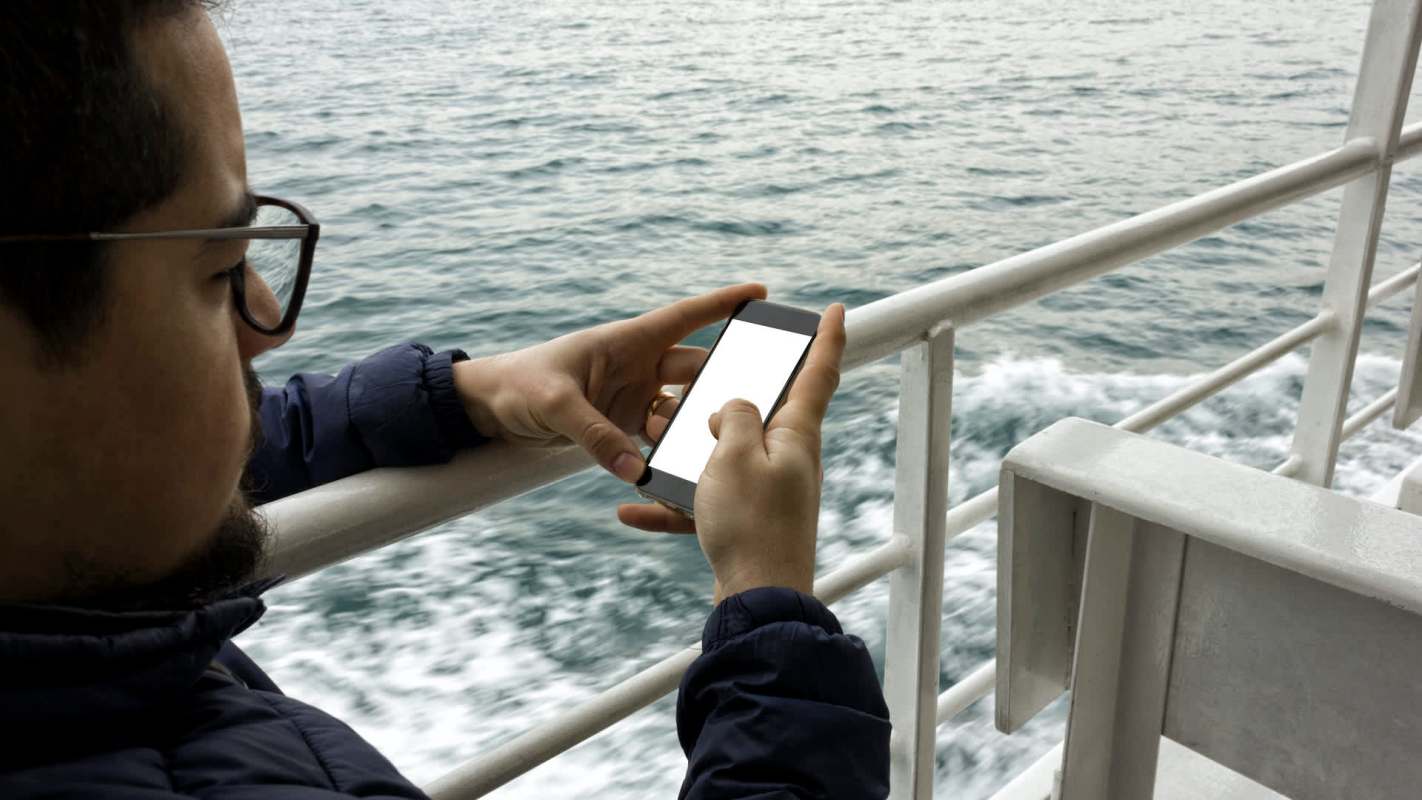
While buying a cruise ship's Wi-Fi package may seem like a way to avoid unexpected phone charges, leaving cellular service on can still lead to a costly surprise.
Here's what to know
According to Engadget, ships in international waters use an offshore mobile network as they move farther from shore and lose access to land-based cell towers. When a phone connects to these offshore networks, passengers do not have to make a call, send a text, or browse the web to incur roaming fees. Carriers often charge those fees because the connection falls outside ordinary plan coverage, regardless of use.
Unbeknownst to many cruisegoers, phones can still connect to the maritime network even while their owners use onboard Wi-Fi. In other words, purchasing the ship's internet package alone does not block the offshore cellular connection.
More background
Cruise passengers can also face unexpected roaming charges when relatively close to land. Cellular towers in multiple countries or regions may be within reach along a cruise route, creating a risk of unexpected charges even near shore.
Some travelers might believe they are safe from extra charges because their roaming plan covers the destination. However, this may not include every location where the phone picks up service along the cruise route.
In Engadget's example, a passenger need not set foot in Cuba to face a charge for briefly connecting to a Cuban signal. Under those circumstances, the passenger's paid roaming coverage for the Bahamas would not prevent the charge for connecting to Cuba's network.
TCD Picks » Quince Spotlight
💡These best-sellers from Quince deliver affordable, sustainable luxury for all




Meanwhile, according to Engadget, many cruise lines have been improving their onboard Wi-Fi by offering Starlink internet service, making cellular connections less necessary.
What can be done?
To avoid unplanned roaming charges, passengers can use the ship's Wi-Fi while blocking cellular networks by first enabling their phone's Airplane Mode, then turning Wi-Fi back on separately. Engadget recommended keeping Airplane Mode enabled while the ship is moving, even for passengers who have purchased destination-specific travel eSIMs or roaming packages.
According to Engadget, Cellular at Sea was one such offshore network, which a phone's display may identify with the code "901." Maritime roaming rates apply whenever a phone connects to that network.

Get TCD's free newsletters for easy tips, smart advice, and a chance to earn $5,000 toward home upgrades. To see more stories like this one, change your Google preferences here.






