


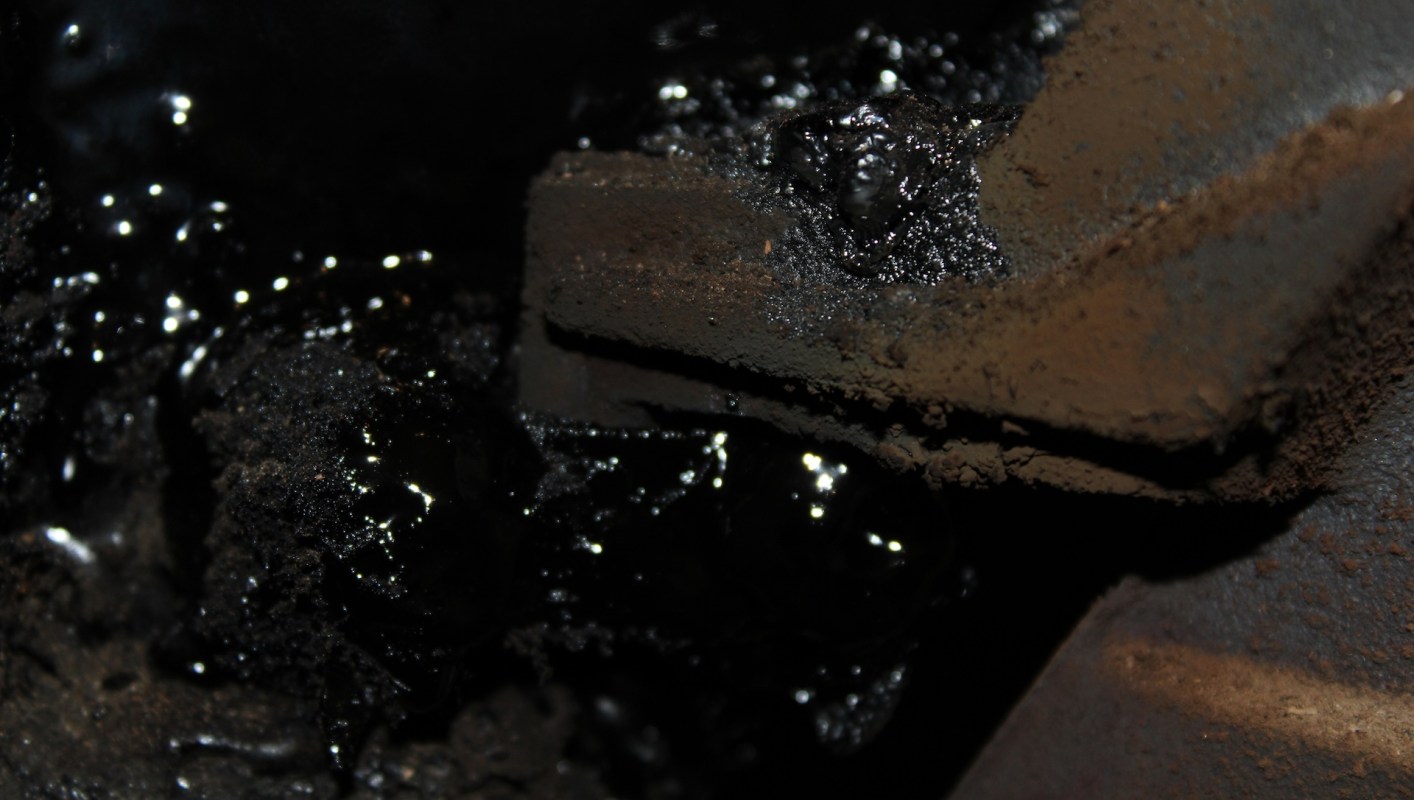
A day at the beach in Northumberland comes with a stark warning to stay out of the water.
Testing confirmed that creosote is contaminating Blyth South Beach from industrial operations dating back nearly five decades.
Here's what to know
As BBC News reported, accounts of a fuel smell and what witnesses described as "oil-like pollution" near the shore led to a warning in August for people not to swim. Now, the discovery has been linked to a site on neighboring land.
Follow-up laboratory analysis identified the material as creosote, according to the outlet. The Northumberland County Council said the likely source was a former timber treatment site on neighboring land that operated until about 1980.
The restricted area stretches from Blyth West Pier to the Dave Stephens Centre. The Environment Agency said the contamination was limited to a section of beach near the Hole in the Wall, where polluted groundwater is bringing it into the sand.
More background
In August, the outlet said that the pollution was thought to be linked to a fuel or oil spill. The new finding reveals how long industrial pollution can linger.
TCD Picks » Quince Spotlight
💡These best-sellers from Quince deliver affordable, sustainable luxury for all




Though the council said the public health risk was low, BBC News reported that people were told to avoid the affected sand and water and to keep dogs away from that area.
The U.S. Agency for Toxic Substances and Disease Registry links long-term creosote exposure to increased cancer risk.
What's being done?
The Northumberland County Council, Environment Agency, and Port of Blyth are working together on the response to the pollution, per BBC News.
With laboratory testing having confirmed the substance, authorities have a basis for handling the response.
People should not bathe there, avoid the affected sand and water, and keep pets away.
Officials did not give a timeline for when the cleanup would be complete, but BBC News said the initiative was considered a "significant" effort.
Where can I learn more?
Blyth South Beach isn't the only shoreline with pollution concerns.
• Along the U.S. East Coast, sea level rise is stirring toxic pollutants once trapped underground.
• In Wales, swimmers say serious pollution risk is creeping into iconic beach waters.
• On one shoreline, polystyrene beads spread across the beach until volunteers stepped in.
• Researchers found microplastics washing into beaches from fertilizer made with sewage sludge.

Get TCD's free newsletters for easy tips, smart advice, and a chance to earn $5,000 toward home upgrades. To see more stories like this one, change your Google preferences here.






