


Creatives in the United Kingdom proved that once they decided to push back in public, what might have remained a technical copyright fight quickly became a much bigger political problem.
Now, their victory may provide the playbook for a similar debate in Australia.
Here's what to know
After a sustained backlash, the UK government dropped a proposal that would have let AI firms train models on copyrighted works unless creators chose to opt out, according to The Guardian.
Artists, writers, and lawmakers said the plan would allow tech companies to profit from creative work without meaningful permission or compensation.
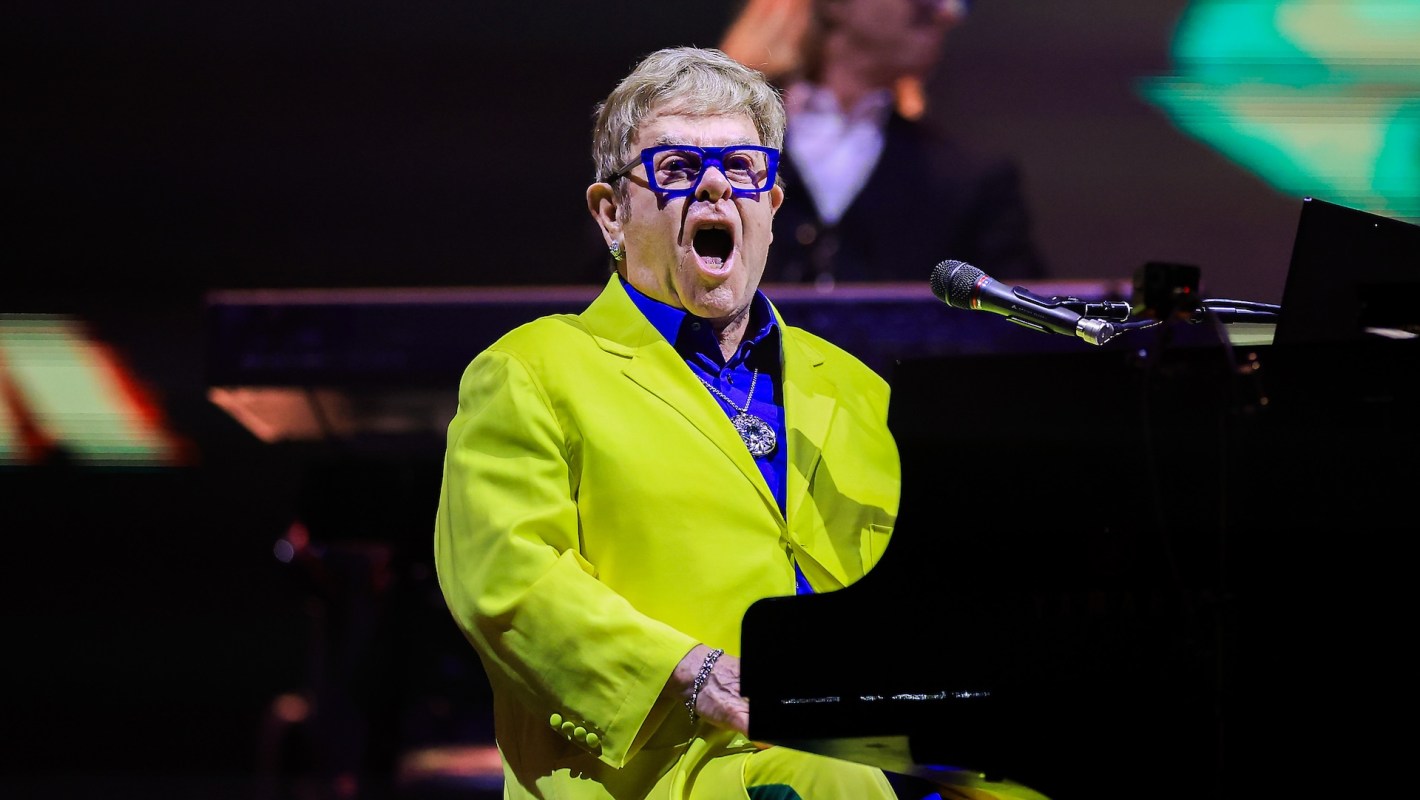
Sir Elton John, Sir Paul McCartney, ABBA's Björn Ulvaeus, actor Julianne Moore, and Radiohead singer Thom Yorke were among the prominent supporters of that campaign.
John delivered one of his most cutting remarks, calling the government "absolute losers" who were on course to "rob young people of their legacy and their income," per The Guardian.
TCD Picks » Quince Spotlight
💡These best-sellers from Quince deliver affordable, sustainable luxury for all




Beeban Kidron, an award-winning film director and member of the UK parliament's upper house, was a key political figure in the pushback, helping to coordinate celebrity opposition and supporting legislative amendments against the proposal, which was dropped in March.
Another highly visible organizer in the UK campaign was Ed Newton-Rex, a composer and former AI executive. Backed by more than 1,000 musicians, including Damon Albarn, Kate Bush, and Annie Lennox, he put together a "silent" album to argue for the importance of having strong copyright laws — a practice also widely supported by the public.
Polling cited by The Guardian found that 70% of UK adults supported royalty payments when copyright holders' work was used for AI training.
What's being done?
Kidron has urged Australian Prime Minister Anthony Albanese not to repeat Britain's approach, saying, per The Guardian: "Albanese has been a leader in standing up to tech. He should not squander his reputation by selling Australian creatives down the river."
"The only way the government gets something like this copyright proposal through is if no one notices what they are doing," added Newton-Rex. "It will take just a moment for people to understand this is not fair."
Meanwhile, techUK deputy chief executive Antony Walker said that rights holders were "extremely effective" and argued the government had failed to explain its position properly.
Where can I learn more?
Britain's fight is part of a broader debate over how AI uses creative work and whether creators get paid. The stories below discuss AI guardrails, copyright claims, U.S. limits on AI authorship, and debate over AI-made film.
• Australia moved to protect creators' work while requiring AI data centers to match power use.
• Creative professionals were warned they could end up with nothing without timely AI copyright claims.
• In the U.S., the Supreme Court said a human rather than a machine should receive copyright protection.
• Viewers debated the future of Hollywood after an AI-made short film gained traction.

Get TCD's free newsletters for easy tips, smart advice, and a chance to earn $5,000 toward home upgrades. To see more stories like this one, change your Google preferences here.






