


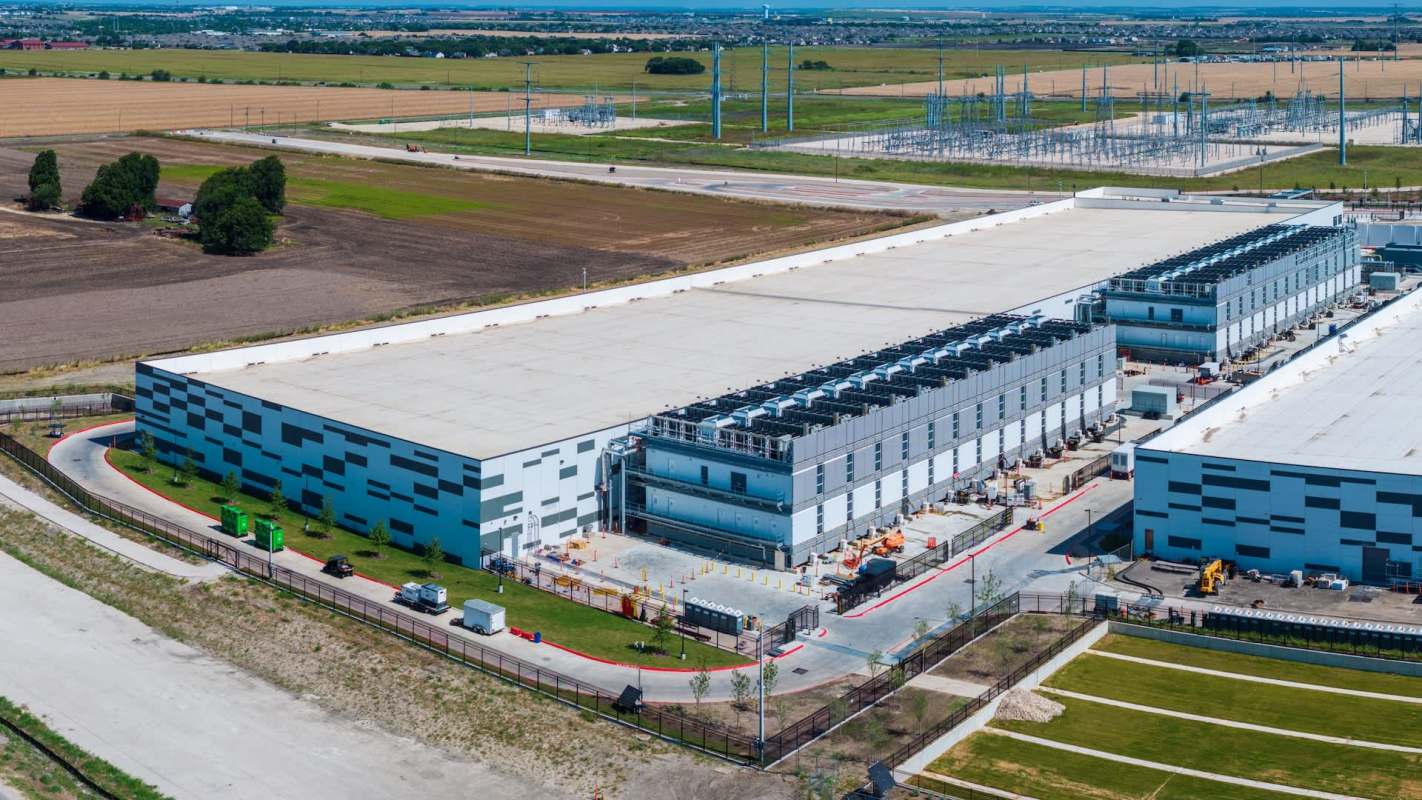
A new ban in Cranbury puts the New Jersey township in a growing wave of municipalities rejecting data centers.
Here's what to know
After months of organizing by local residents and the youth-led grassroots group Climate Revolution Action Network, Cranbury's Township Committee voted to prohibit data centers, according to News 12 New Jersey.
Officials said the measure is meant to shield local infrastructure, the environment, and residents' quality of life.
Committeewoman Eman El-Badawi described the vote as an effort to get ahead of potential harm, presenting the ban as a step taken before problems escalate rather than after the township feels the effects.
No other state has as many municipalities adopting data center bans, so Cranbury's decision fits into a broader New Jersey trend.
Beyond the local action, Climate Revolution Action Network and other environmental groups are pressing Gov. Mikie Sherrill and state lawmakers for a three-year statewide pause and formal protections against higher utility bills, noise pollution, and air pollution.
TCD Picks » Quince Spotlight
💡These best-sellers from Quince deliver affordable, sustainable luxury for all




More background
A town can keep data centers out of its borders, but that doesn't stop the same concerns from surfacing in neighboring communities. That limitation has become one of the clearest weaknesses of the town-by-town approach.
Under that patchwork system, residents in one part of New Jersey may gain protections for air pollution, infrastructure, and quiet neighborhoods, while people in nearby towns remain exposed to the same pressures advocates warn about.
Groups backing wider regulation include Sustain South Jersey, Food & Water Watch, and the Pinelands Alliance, which say only state-level policy can create a consistent baseline for families across New Jersey instead of leaving every community to fight separately.
What's being done?
The Cranbury ban came after months of support-building by residents and Climate Revolution Action Network.
Still, advocates don't treat local bans as the final answer. Their main push is a statewide, three-year moratorium that would pause further expansion while lawmakers put codified safeguards in place.
Advocates said a stronger statewide framework would reinforce towns such as Cranbury and help ensure the benefits of community protection are not limited to municipalities with the time, resources, or political momentum to pass bans on their own.
Where can I learn more?
Similar fights are playing out far beyond Cranbury as communities push back on proposed data centers.
• From Utah to Georgia, communities are demanding moratoriums as data center backlash turns national.
• In Ohio, townships are slamming the brakes on data centers before state reviews finish.
• Across the country, data center backlash is spreading, and local leaders are facing political fallout.

Get TCD's free newsletters for easy tips, smart advice, and a chance to earn $5,000 toward home upgrades. To see more stories like this one, change your Google preferences here.






