


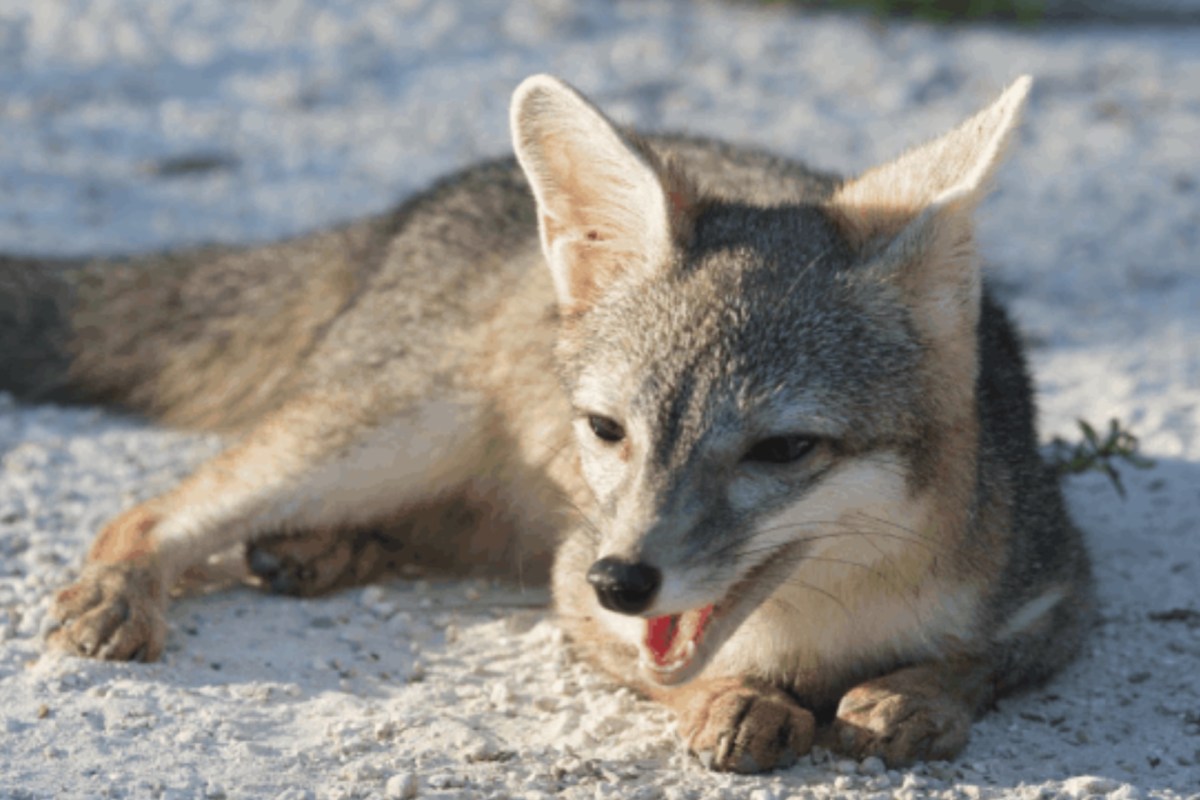
After more than 20 years without a confirmed sighting, Cozumel's tiny gray fox has resurfaced on the Mexican island. The long-missing animal is now known to still be alive, and it has been photographed for the first time.
What happened?
The rediscovery came out of a conservation effort that included University of Rhode Island doctoral student Travis Bayer. As Backyard Garden Lover reported via Yahoo News, he learned about Cozumel's missing fox in 2023 while planning a diving trip there, then decided to find out whether the critically endangered animal had survived.
Roughly six months later, island residents reported a disoriented animal near a coastal road. When conservationists checked it out, they confirmed the animal was an adult male Cozumel fox.
Following a health check, the fox was returned to a nature reserve. Rafael Chacón also documented the find, producing the first known photographs ever taken of the species.
The discovery solved a long-running mystery and set off a scientific effort to determine how many of these foxes remain and whether the population is distinct enough to be formally recognized as its own species.
Why does it matter?
Its small size sets it apart from related mainland foxes. Scientists think that difference is likely the result of island dwarfism, a process in which long isolation can lead animals to evolve into smaller forms.
TCD Picks » Quince Spotlight
💡These best-sellers from Quince deliver affordable, sustainable luxury for all




More than 30 species and subspecies found on Cozumel exist nowhere else on Earth, making the island one of Mexico's most biologically distinctive places. The fox is one of just three carnivores found only on the island.
When a species disappears, the loss goes beyond scientific interest. Local communities lose part of their natural heritage, ecosystems become less resilient, and future research opportunities vanish with it. On islands in particular, the loss of a single species can send ripple effects through food webs that have developed over thousands of years.
What's being done?
Bayer is now helping lead a large camera survey on Cozumel, with 84 cameras deployed across roughly 38.6 square miles (100 square kilometers).
Researchers are also evaluating thermal drones through the University of Rhode Island's research lab to help detect animals that are difficult to spot. That kind of technology could make it easier to monitor rare species without disturbing them.
The team is now racing to answer basic questions: how many foxes remain, which habitats they depend on most, and how threatened they are by roads and introduced predators such as feral dogs, ocelots, and boa constrictors.
For Bayer, the mission is urgent: "We need to understand how to protect them before it's too late."

Get TCD's free newsletters for easy tips, smart advice, and a chance to earn $5,000 toward home upgrades. To see more stories like this one, change your Google preferences here.






