


For years, many people on the Mexican island of Cozumel believed one of the area's most elusive native animals had vanished for good.
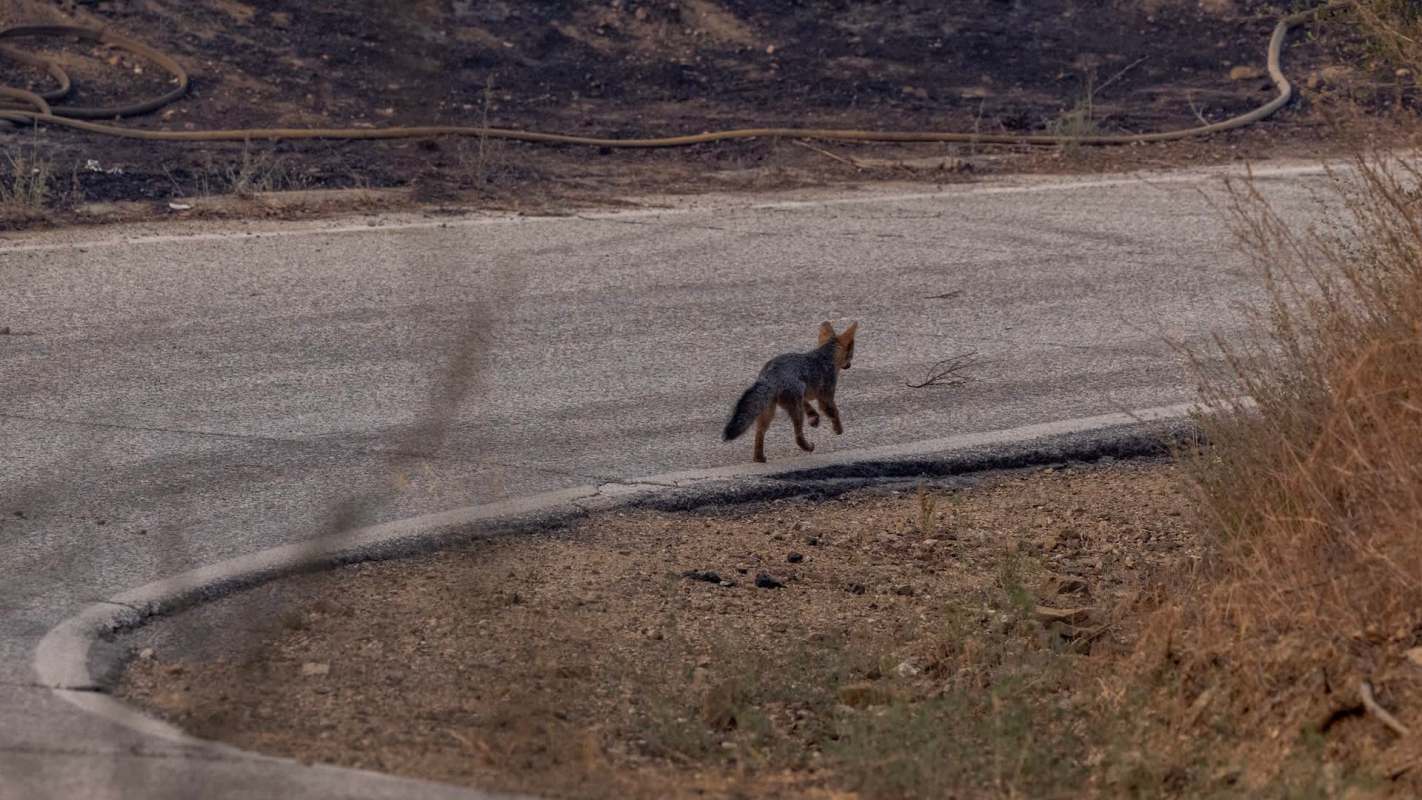
Then a tiny fox appeared near a roadside, giving residents and researchers their first confirmed look in more than two decades at a species many feared was already extinct.
What happened?
The animal at the center of the rediscovery is the Cozumel fox, which lives only on the island.
According to A-Z Animals, it is a much smaller relative of gray foxes from mainland Mexico, measuring only about 60% to 80% of their size because of island dwarfism.
JUNGL Conservation (@conservation), an account spotlighting animal stories and conservation wins, shared several images of the fox on Instagram.
Before the 2023 sighting, old bone fragments were the only evidence that the fox had lived on Cozumel, according to A-Z Animals. On the island, many people either did not know the species existed or believed it had disappeared years earlier.
TCD Picks » Quince Spotlight
💡These best-sellers from Quince deliver affordable, sustainable luxury for all




The breakthrough began with reports from locals who noticed a fox-like animal acting strangely near a coastal roadside.
When Rafael Chacon, director of conservation and environmental education at the Fundacion de Parques y Museos de Cozumel, arrived with his team, they found an adult male hiding in trees nearby.
The fox was later released into Laguna Colombia State Reserve after the team determined it was in good enough condition to go back into the wild. Images Chacon shared on iNaturalist then attracted wider scientific interest and helped spark renewed research.
Why does it matter?
When a species exists in an isolated location, even relatively small changes to habitat or predator pressure can push it close to extinction.
For the Cozumel fox, expanding roads have broken up forest habitat, according to A-Z Animals. That disruption also creates openings for predators like feral dogs, ocelots, and boa constrictors to reach places where the fox is still trying to persist.
Protecting native wildlife often goes hand in hand with protecting healthy forests, preserving local natural heritage, and supporting the kind of biodiversity that can strengthen tourism and community pride.
This rediscovery began with residents noticing something unusual and speaking up.
What's being done?
Researchers are now working to learn whether the Cozumel fox still has a viable population and what protections it needs most urgently.
Travis Bayer, a University of Rhode Island Ph.D. student and the founder of the nonprofit Pathos Wildlife, became involved after seeing the reports of the fox during a trip to the island.
Across Cozumel, researchers have set up 84 camera traps covering nearly 386 square miles as part of a large survey effort. They are also using thermal drones with help from the University of Rhode Island CEAL Lab.
Only the area around El Cedral has produced sightings so far, pointing to a potentially restricted range. That limited evidence makes it especially important to gather data quickly on the fox's numbers, movements, and threats.
Citizen science tools such as iNaturalist can help scientists identify rare species and track biodiversity changes more quickly.
The rediscovery has given conservationists a narrow but meaningful window to act.
As Bayer put it in a statement, "If these foxes are still holding on, we need to understand how to protect them before it's too late."

Get TCD's free newsletters for easy tips, smart advice, and a chance to earn $5,000 toward home upgrades. To see more stories like this one, change your Google preferences here.






