


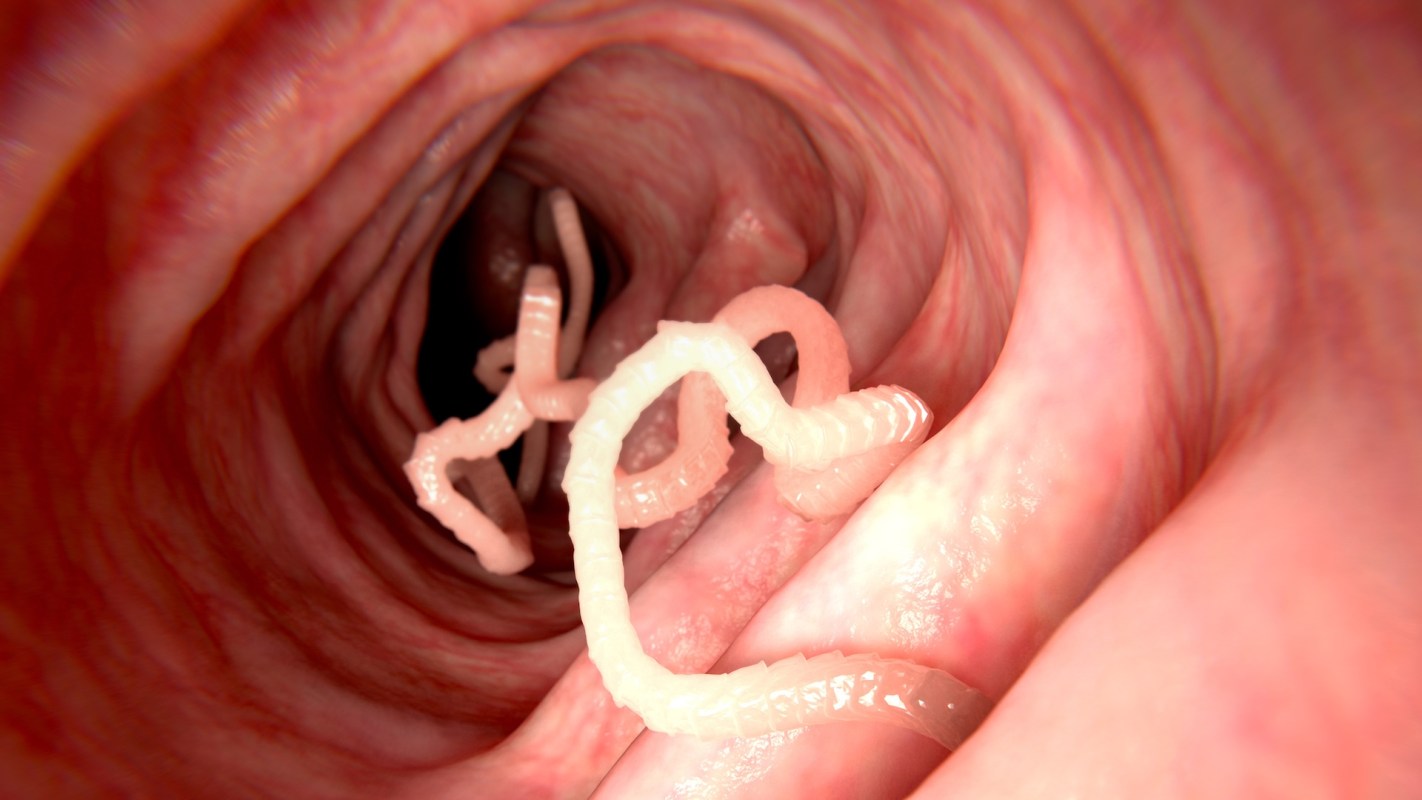
Coyotes in the Puget Sound area have tested positive for a dangerous tapeworm associated with severe liver disease, the first recorded detection of the parasite in a wild animal on the contiguous U.S. West Coast.
Its appearance in Washington extends the parasite's spread into another part of North America.
What happened?
In a study covered by Science Daily, University of Washington researchers tested 100 coyotes from the Puget Sound region and found Echinococcus multilocularis in 37 of them.
The parasite commonly infects coyotes, foxes, and other canids, which can shed eggs through their feces without appearing sick.
"This parasite is concerning because it has been spreading across North America," lead author Yasmine Hentati said. "There have been numerous cases of dogs getting sick, and a handful of people have also picked up the tapeworm."
The parasite was once considered extremely rare in North America, but concern began rising about 15 years ago when infections started appearing in dogs and people in Canada and the Midwest.
TCD Picks » Quince Spotlight
💡These best-sellers from Quince deliver affordable, sustainable luxury for all




Researchers said the version now circulating appears to be a more infectious European strain, rather than the older tundra variant previously documented in remote parts of Alaska.
"The fact that we found it here in one-third of our coyotes was surprising, because it wasn't found anywhere in the Pacific Northwest until earlier this year," Hentati said.
Why does it matter?
One of the risks posed by this parasite is alveolar echinococcosis, a condition in which cancer-like cysts slowly develop in the liver and sometimes in other organs. If it is not treated, the infection can be fatal.
Another public health concern is the disease's long delay before symptoms appear in humans: signs may take five to 15 years to show up, which can make diagnosis difficult.
Humans and domestic dogs can become incidental hosts, typically after swallowing parasite eggs from food contaminated with coyote or dog feces.
Human cases in the United States remain rare, and no West Coast human infections have been reported.
Researchers also noted that one study found seven canine cases across Washington, Oregon, and Idaho since 2023, five of them in Washington, suggesting veterinarians in the region may need to remain alert even if widespread transmission in pets still appears limited.
What can I do?
Experts say the most practical step for dog owners is to reduce the chances that pets encounter infected rodents or contaminated environments.
Co-author Guilherme Verocai said, "To minimize the risk of dogs getting infected with E. multilocularis, owners should not let them prey on rodents or scavenge their carcasses."
Researchers recommend regular parasite checks along with medications to prevent worms and ticks.
The study also offered some reassuring context.
Hentati explained, "The reason that it's so high in coyotes is because they are regularly eating raw rodents, and that is the primary way for them to get infected. Most domestic dogs are not eating the raw livers of wild rodents."
"The main takeaway is that Echinococcus multilocularis is here, it's pretty prevalent in the local coyote population and people should be aware of potential risks," Hentati said.

Get TCD's free newsletters for easy tips, smart advice, and a chance to earn $5,000 toward home upgrades. To see more stories like this one, change your Google preferences here.






