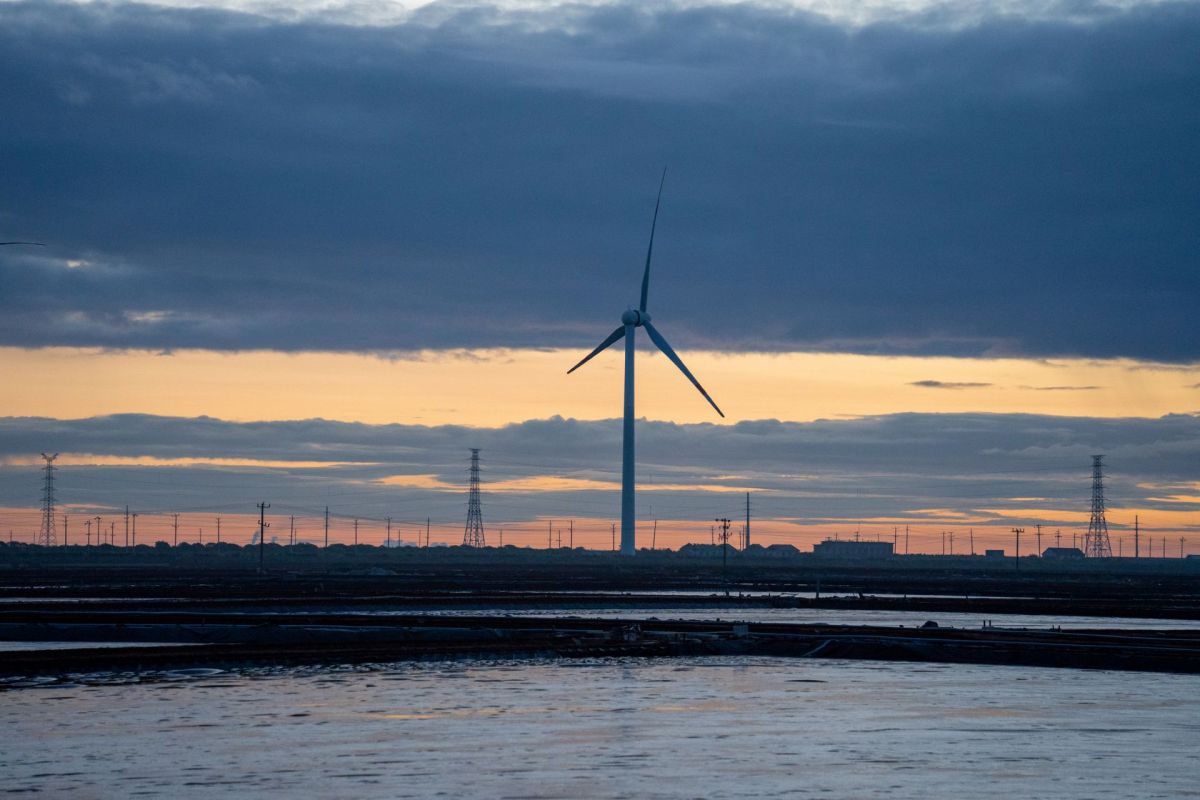
A standing-room-only crowd packed a Columbia County Board meeting in Portage, Wisconsin, as residents urged local leaders to slow large-scale wind and solar development in the area.
The debate centers on the proposed Columbia Wind project, which could bring up to 47 turbines to several communities and has exposed a growing divide between the push for cleaner energy and demands for more local input.
Here's what to know
According to WMTV, speakers filled over two hours of a public comment period to urge county supervisors to impose a moratorium on wind and solar projects until their concerns are addressed.
One woman who said she lives near a planned turbine location told supervisors that a turbine could end up about 1,200 feet from her home.
"This company really has not been very honest with us, and I think this is why we want the pause," she said, per the outlet. "We want the answers. We need the answers."
The Columbia Wind project remains under state review. Alliant Energy has said that more than 300 landowners are participating and that roughly 98% of the land inside the project boundary would not be disturbed during construction.
TCD Picks » Quince Spotlight
💡These best-sellers from Quince deliver affordable, sustainable luxury for all




The company estimates the project could generate more than $225 million over 30 years in wages, tax revenue, and landowner payments plus upward of $1.3 million each year in shared revenue for the county and local communities.
More background
Wind and solar projects can reduce the pollution that overheats the planet and worsens extreme weather while also bringing lease payments and tax revenue.
Fountain Prairie Town Chair David Liebenthal told supervisors the issue should not be framed as a debate over whether people support renewable energy.
"This is not about being for or against wind energy," Liebenthal said, per WMTV. "It is about making sure that the communities directly affected by this project have a meaningful role in decisions that will affect them for decades."
What's being done?
The county board did not act on the proposed wind and solar moratorium, though supervisors were expected to revisit the issue at their September meeting next week.
Board members did, however, approve a separate resolution involving a 765-kilovolt transmission line proposal, another major energy project that has raised concerns. During committee discussion, officials considered expanding the resolution to cover issues including farmland, soil disruption, easements, and green space.
State Sen. Sarah Keyeski, whose district includes much of the potentially affected area, urged officials to pay attention to the timeline for public feedback.
"What I am very concerned about, I would say alarmed by, is the short time frame that the public has gotten for public input," Keyeski said.
Where can I learn more?
Columbia County is hardly the only place wrestling with wind, solar, and transmission projects. Around the country, local boards and residents are asking many of the same questions about timing, land use, public input, and whether the economic upsides match what developers promise.
• In Iberville Parish, Louisiana, officials paused solar and battery projects for two years after packed meetings.
• In Douglas County, Kansas, commissioners approved a solar farm after hours of tense deliberation.
• In Wisconsin, Alliant Energy and WEC Energy completed the state's largest solar project at Badger Hollow.
• Off New York, federal officials halted the Empire Wind project, deepening uncertainty for major developments.
• Online debates over turbine claims have raised questions about wind power as misinformation spreads.
These outcomes help explain why residents in Columbia County want more time and answers before anything moves ahead. They're also a reminder that local processes can have a big effect on whether renewable projects advance, stall, or get reshaped along the way.

Get TCD's free newsletters for easy tips, smart advice, and a chance to earn $5,000 toward home upgrades. To see more stories like this one, change your Google preferences here.