


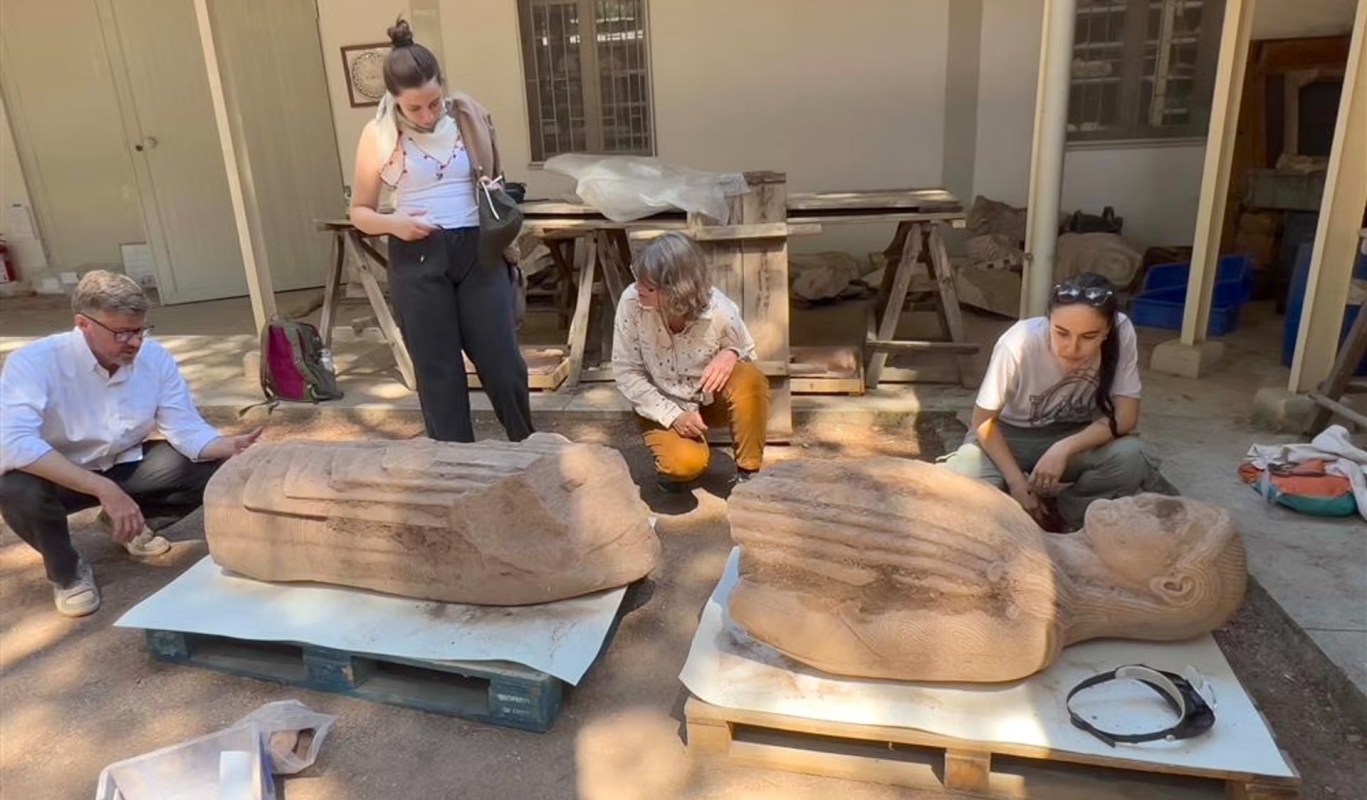
A colossal statue that spent centuries hidden as a Roman paving stone is giving archaeologists a rare view into one of the ancient world's most mysterious civilizations.
What happened?
According to The Art Newspaper, in Sardis, western Turkey, archaeologists uncovered a figure about 2,500 years old that had broken into separate pieces but originally stood roughly seven feet tall. Experts said the statue's unusual design could alter historians' understanding of life in Lydia, an Iron Age civilization.
The outlet reported that the statue depicts a young man holding fruit and has been dated to the first half of the fifth century BC, near the opening of the Classical period in Greek art. Officials said it remained in exceptional condition because the Romans later reused it as a paving stone along a street.
Located in Manisa, the site was added to the UNESCO World Heritage list in 2025. Sardis was once the capital of Lydia, a civilization known for its wealth and early coin production.
Nicholas Cahill, field director of the Sardis Expedition, told The Art Newspaper, "It's a wonderful piece, and we're still kind of astounded and a bit perplexed by it."
Why does it matter?
The statue appears to blend artistic traditions in a way experts say has not been seen before.
TCD Picks » Quince Spotlight
💡These best-sellers from Quince deliver affordable, sustainable luxury for all




The ministry said that the figure combines an upright pose and long hairstyle associated with sixth-century-BC sculpture, with facial and hand treatment more typical of the fifth century BC.
Archaeologist Hector Williams said the statue is "one of the most unusual pieces of sculpture to emerge from excavations in western Turkey in the last decades."
The discovery comes from ongoing work by the Sardis Expedition, which is sponsored by Harvard and Cornell universities and operates with permission from Turkey's culture and tourism ministry.
Turkey is also continuing work at other major sites. Officials have also announced the discovery of 1,800-year-old marble sculptures at Aspendos, another UNESCO World Heritage site in the country. They depict Asklepios, the Greek god of medicine, and his son Telesphoros, associated with convalescence.

Get TCD's free newsletters for easy tips, smart advice, and a chance to earn $5,000 toward home upgrades. To see more stories like this one, change your Google preferences here.






