


Across Colorado, smoky air is starting to affect everyday routines, and concerns are growing over what repeated exposure to wildfire smoke could mean for long-term health.
Here's what to know
As smoky conditions persist, people along the Front Range are adjusting workouts and family plans, according to KUNC.
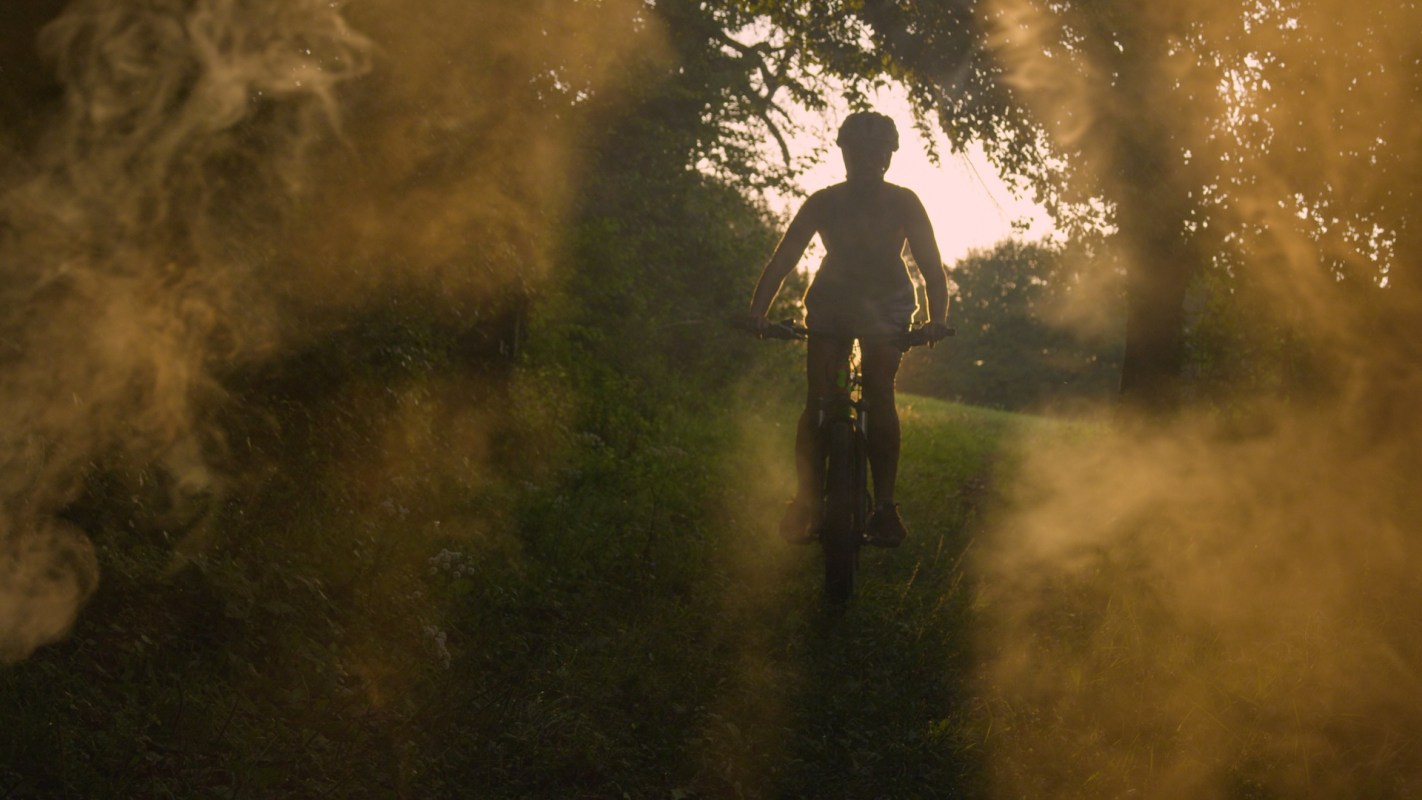
Because of asthma, Fort Collins resident Ron Matthews said he has stopped outdoor biking. In Denver, John Coleman said the harder problem is judging when the air is safe enough for a child.
One smart way to gauge if it's safe to spend time outside is to check the Air Quality Index, or AQI. It tracks pollutants including ozone and the fine particles carried in wildfire smoke, KUNC reported. Delphine Farmer, a Colorado State University chemistry professor who studies air quality, said smell and visibility by themselves aren't the best guides.
"When the AQI says it's unhealthy for sensitive groups, and it's orange, that's a really good indicator to start implementing some of those techniques to improve your air quality," Farmer said.
KUNC reported that an orange reading can be a signal to close windows or turn on an air purifier, while red and purple ratings mean even healthy people should reduce the time they spend outdoors.
TCD Picks » Quince Spotlight
💡These best-sellers from Quince deliver affordable, sustainable luxury for all




More background
In Colorado, wildfire smoke is only one part of the air-quality problem. Farmer said bad-air days can be driven by particulate matter, ozone or both at once.
KUNC reported that ground-level ozone forms when emissions from vehicles and industrial sources react in sunlight, and that hot weather makes that process stronger.
Denver's brown cloud is far less visible than it was from the 1960s through the 1980s, but ozone is still a major concern. Wildfire smoke can intensify that problem by adding compounds that help generate more ozone.
Those alerts are influencing more than recreation, affecting decisions about exercise and even whether people feel comfortable opening windows at home.
Dr. Lisa Maier, a pulmonologist at National Jewish Health, said smoke can do more than cause burning eyes or a scratchy throat. KUNC reported that it can worsen disease involving the lungs and heart, and Maier warned that people who otherwise feel healthy can still be affected.
What can be done?
One basic step is checking AQI readings before going outside and treating orange conditions as a warning sign, especially for children, older adults and people with asthma.
If air quality gets worse, shortening outdoor workouts or moving them indoors can help limit exposure.
Farmer also recommended simple measures at home, including closing windows and using an air purifier when AQI levels rise. Those measures will not eliminate pollution, but they can make indoor air safer during smoky periods.
Maier said, as reported by KUNC, that many of her patients had more difficulty breathing as well as irritation in the eyes, throat, and nose.
KUNC reported that researchers are still working to understand the health effects of prolonged wildfire smoke exposure.
Coleman emphasized how the stakes can be high when children are involved, saying, "Do we want to subject a kid to the air quality there? Is it serious? Is it negligible? It's hard to rate that, measure it and then apply it to your life."

Get TCD's free newsletters for easy tips, smart advice, and a chance to earn $5,000 toward home upgrades. To see more stories like this one, change your Google preferences here.






