


Four years after Colorado passed a law to make fracking chemical notices public, a report discovered the state never followed through.
Here's what to know
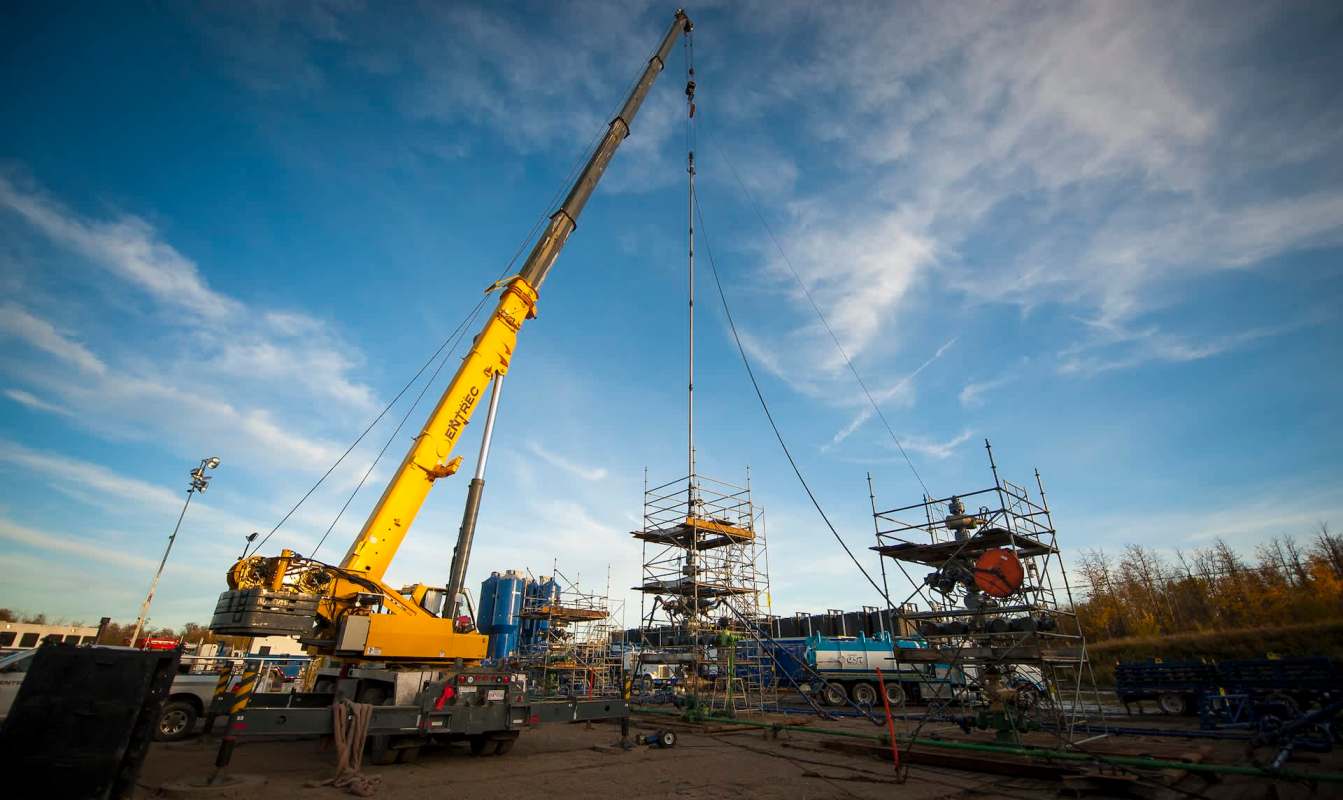
The finding followed an April 2025 well blowout near Galeton, Colorado, that forced nearby residents to evacuate. Backers of Colorado's 2022 disclosure law, including FracTracker Alliance, Physicians for Social Responsibility Colorado, and the Colorado Sierra Club, released the report of widespread mismatches between two chemical-disclosure databases, according to Environment+Energy Leader.
The analysis covered 223 well pads with records in FracFocus, a national registry of fracking chemicals, and the database maintained by Colorado's Energy and Carbon Management Commission.
State filings listed chemicals missing from FracFocus for 172 pads. Some 178 pads — about 80% — had the reverse problem, in which FracFocus named a chemical that did not appear in the state's records.
An energy company omitted methanol from its state disclosure for a Weld County pad fracked in 2024, even though it listed the chemical in FracFocus. Another energy company made the opposite omission at a Garfield County pad that year, reporting acrylamide to the state but not FracFocus, where it claimed no trade secrets.
More background
Galeton Elementary School remained closed for almost two weeks after the blowout. Residents within a half-mile radius had to evacuate as the well released gas and fluids onto neighboring properties.
TCD Picks » Quince Spotlight
💡These best-sellers from Quince deliver affordable, sustainable luxury for all




Acrylamide and ethylene oxide, both associated with cancer, were among the chemicals injected into the well. The groups estimated that roughly 50,000 Coloradans live within a mile of pads using one or more of six chemicals of concern.
While the commission asks about fracking chemicals, it leaves out drilling and other underground operations covered by the law.
The groups calculated that the missing coverage amounted to 843,369 well-days.
What's being done?
Colorado's 2022 law HB22-1348 requires suppliers, operators, service companies, and vendors to submit product ingredients to the Energy and Carbon Management Commission at least 30 days before use in a Colorado well. Those filings must also declare that no PFAS were intentionally added.
Nearby residents, schools, water providers, and first responders are supposed to receive a site-specific chemical list from operators within 30 days. The Energy and Carbon Management Commission compiles the lists using operators' disclosures of actual chemical use, which operators have 120 days to file.
The three advocacy groups are calling on the Energy and Carbon Management Commission to explain the database discrepancies and require drilling disclosures. They also identified filings documenting injections at 77 wells from 2021 through 2026 involving substances banned by Colorado for fracking, among them 1,4-dioxane.
In October, the commission's chair said he understood that operators were meeting the notification requirement, though he provided no written evidence. But according to the report, the Energy and Carbon Management Commission's then-director told advocates and legislators in November 2025 that the requirement had not been implemented.

Get TCD's free newsletters for easy tips, smart advice, and a chance to earn $5,000 toward home upgrades. To see more stories like this one, change your Google preferences here.






