


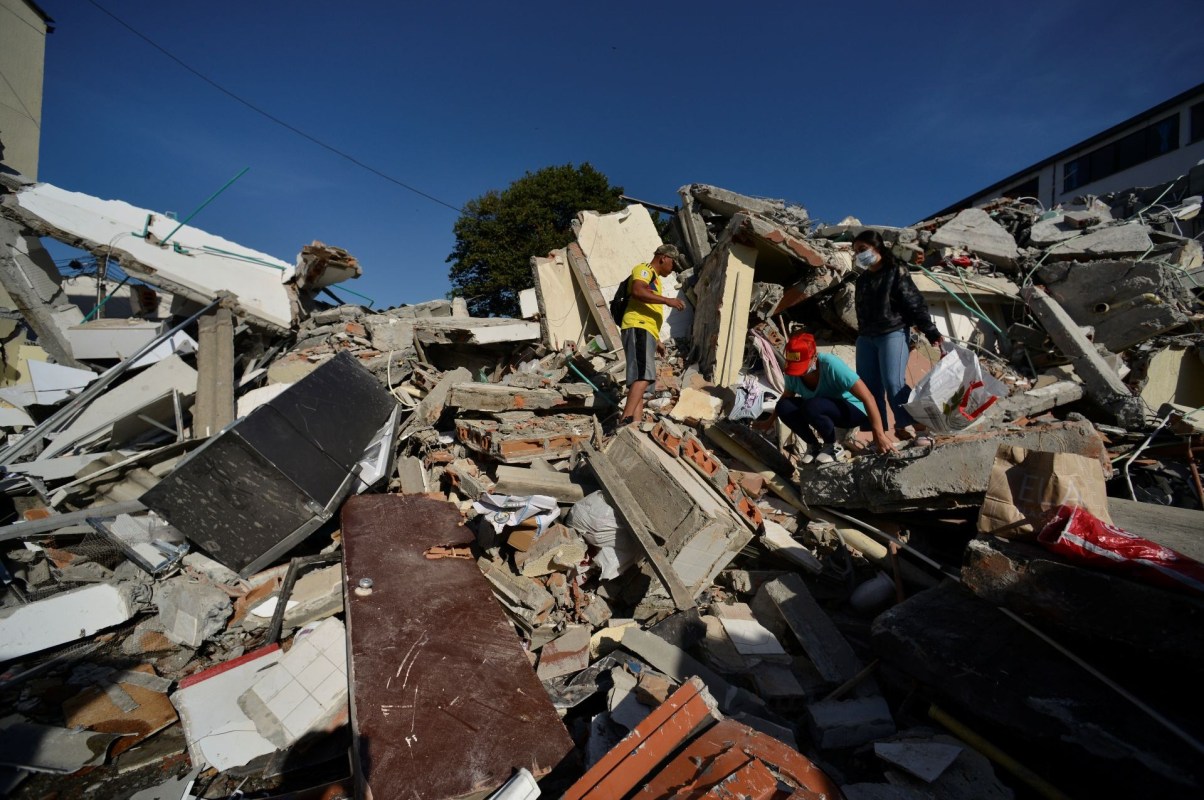
In western Colombia, volunteers and emergency crews are digging through wreckage from a powerful earthquake, according to The Associated Press.
Communities are still trying to understand how much has been destroyed, and continuing aftershocks are adding pressure to the search for survivors.
What happened?
At least 181 people were killed, 2,595 were injured, and more than 1,000 homes were destroyed when a 7.4 magnitude earthquake struck western Colombia on Monday, AP reported.
Some of the worst damage has been reported in Cali, Pereira, Manizales, and Quibdó, and officials say they are especially worried about rural areas where information remains scarce.
Authorities put the number of missing at 195, but citizen-run databases suggest far more people may be unaccounted for, potentially closer to 4,000, according to the AP.
The Colombian Geological Service also said it had recorded more than 100 aftershocks following the initial quake.
TCD Picks » Quince Spotlight
💡These best-sellers from Quince deliver affordable, sustainable luxury for all




At least one woman was pulled from the wreckage alive.
Standing beside the wreckage of his brother's apartment building, Jairo Vargas said, "I'm absolutely certain he's here. Absolutely certain."
Mónica Sánchez, a Pereira resident whose clothing factory was damaged, said, "It was shocking — the city fell down around us."
How is the earthquake continuing to impact people?
Earthquakes like this one create public health emergencies by cutting communities off from necessities like hospitals and clean water.
TCD Picks » Quince Spotlight
💡These best-sellers from Quince deliver affordable, sustainable luxury for all
They can also devastate local economies, leaving families without income when homes, farms, shops, and workplaces are damaged or destroyed.
At the quake's epicenter, the poor and often isolated region of Chocó has faced some of the worst devastation. There is currently a GoFundMe that aims to help Indigenous peoples living on reserves there.
A religious and environmental leader in the region, Sterling Palacios, said, "There are towns where people have lost everything, where people have died, where homes have been destroyed."
Dana Carolina Zamora said she has been searching for news about her uncle in El Cairo: "We are afraid. We hope that is not the case, that he is all right and that it is only a communication failure. But we haven't heard anything from him."
What's being done?
Colombia is deploying military and police personnel alongside engineers, rescue workers, and search dogs, President Abelardo de la Espriella of Colombia said, as the AP relayed.
Crews are removing debris with excavators and by hand as they try to reach survivors during the narrow period when rescues are most likely.
Officials imposed curfews in Pereira and Cali and restricted private traffic in Pereira to allow emergency vehicles and responders to move through damaged streets. Some wounded people were being flown to Medellín for treatment.
Help from abroad is also beginning to arrive. The U.S. State Department said it would provide $15.5 million for shelter, food, and other emergency aid. Other Latin American governments have also offered help.
While people are working as fast as they can, some remote towns, accessible only by boat, could still take days to reach.

Get TCD's free newsletters for easy tips, smart advice, and a chance to earn $5,000 toward home upgrades. To see more stories like this one, change your Google preferences here.







